
Introduction
A well-designed deck enhances outdoor living, yet recent New York City regulations introduce a key requirement for new constructions. Permeable pavers now serve as the standard for decks, patios, and similar surfaces. This shift prioritizes water management, safety, and environmental responsibility over aesthetics alone.
The following sections detail the regulation's implications, its rationale, and practical strategies for compliance. Homeowners can achieve these standards without excessive costs or delays by selecting appropriate materials and following structured installation processes.
Understanding Permeable Pavers
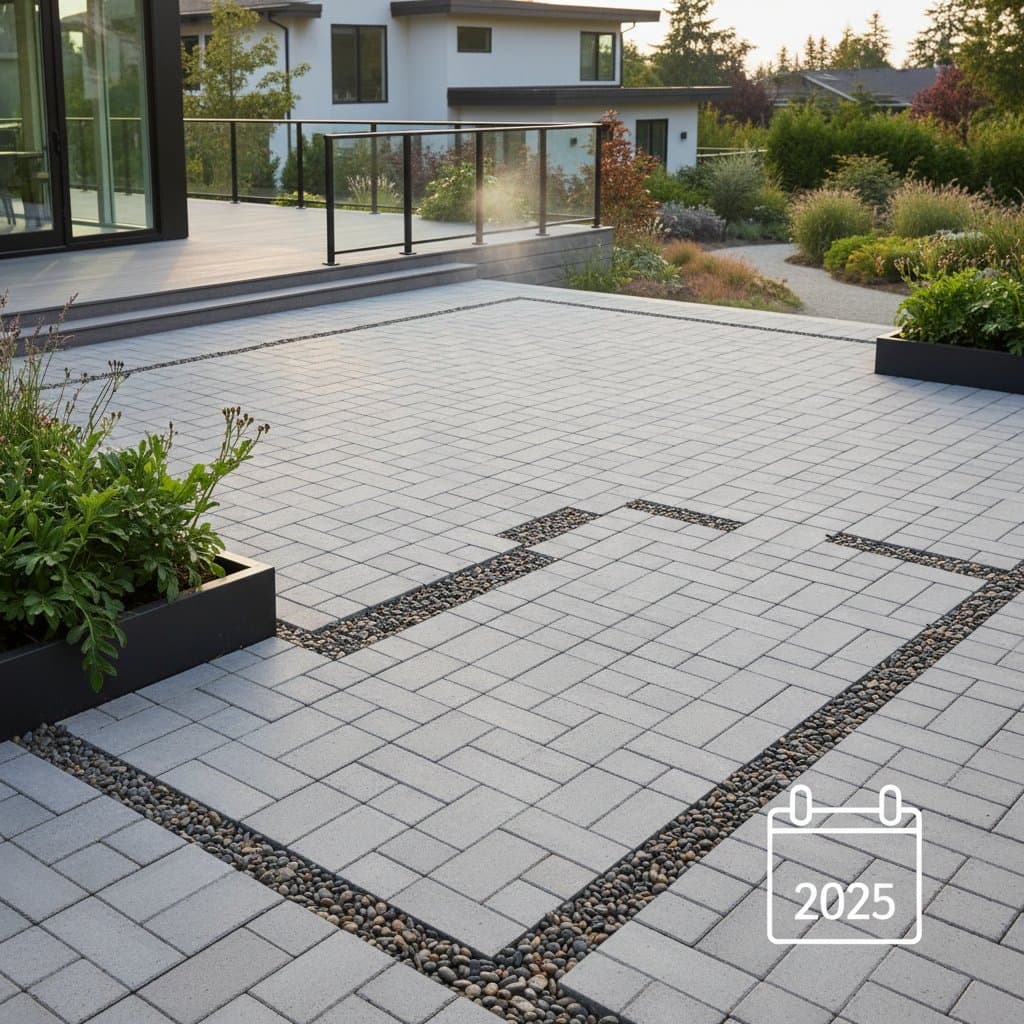
Permeable pavers consist of modular blocks engineered with voids or joints that permit water passage. Unlike impermeable concrete slabs or solid stone, which cause surface pooling and direct runoff to sewers, these pavers enable rainwater to infiltrate the subsoil. This natural filtration process replenishes groundwater and minimizes urban stormwater burdens.
New York City's 2025 building code stipulates permeable materials for any outdoor hardscape exceeding 100 square feet, encompassing ground-level decks, elevated platforms, and rooftop installations. In high-density areas, this measure preserves limited permeable land, curbing collective runoff from residential zones.
Reasons for the Regulatory Shift
Urban planners address escalating flood risks from impervious surfaces covering natural soil. Rainwater on sealed decks flows laterally, carrying contaminants such as automotive fluids, road salts, and yard debris into municipal drains. During intense storms, this overwhelms infrastructure, leading to localized flooding and waterway pollution.
Permeable pavers counteract these issues effectively. They facilitate infiltration of up to 80 percent of precipitation into underlying soil layers. Additionally, they trap sediments and pollutants on-site, preventing their transport to natural water bodies. In colder months, reduced surface water accumulation lessens ice formation, enhancing walkway safety.
This policy aligns with broader sustainability goals, allowing property owners to satisfy stormwater mandates without auxiliary infrastructure like French drains or retention basins.
Essential Materials and Tools
Prepare the following for a successful deck project using permeable pavers:
- Permeable pavers certified for pedestrian and light vehicular loads, typically requiring 10 to 12 units per square foot based on pattern.
- Coarse gravel base, such as 3/4-inch clean crushed stone, layered to a minimum depth of 4 inches.
- Washed angular sand or fine aggregate for joint stabilization and leveling.
- Non-woven geotextile fabric to prevent soil migration into the base.
- Durable edge restraints, including plastic strips, metal angles, or precast concrete curbs, to secure perimeter stability.
- Installation tools: rubber mallet for setting pavers, spirit level for alignment, and vibrating plate compactor for densification.
Protective gear includes heavy-duty gloves, safety eyewear, and dust masks during material handling and cutting operations.
Installation Process
Follow these sequential steps to construct a compliant permeable deck surface.
- Survey and outline the project area, ensuring the footprint stays within permit thresholds where feasible.
- Excavate to an average depth of 7 inches, accounting for base, bedding, and paver thickness; remove organic topsoil completely.
- Install geotextile fabric across the entire subgrade, overlapping seams by 12 inches and securing with landscape staples.
- Place the gravel base in 2-inch lifts, wetting and compacting each layer to achieve 95 percent density.
- Distribute 1-inch bedding sand evenly, screeding it level with guide boards or pipes.
- Lay pavers in the chosen pattern, maintaining 1/8-inch to 1/4-inch joints for optimal drainage; tap into place with the mallet.
- Sweep fine sand or polymeric jointing material into gaps, ensuring full penetration without overfilling.
- Perform final compaction with the plate compactor, running multiple passes until pavers lock securely.
For hybrid designs integrating wood or composite elements, incorporate a 1/2-inch expansion joint filled with permeable material to manage differential drainage.
Key Safety Considerations
Prioritize hazard avoidance throughout the project. Locate and mark underground utilities via the local 811 service before any excavation begins. Maintain excavation walls at a 1:1 slope ratio to minimize cave-in risks, and shore deeper trenches as needed.
Select pavers with textured, slip-resistant surfaces for areas exposed to frequent moisture. Operate power tools with appropriate guards, and use hearing protection during compaction or cutting tasks. Keep the worksite clear of loose materials to prevent trips.
Common Issues and Solutions
Post-installation water ponding signals inadequate base permeability. Remove several pavers to inspect the sub-base; clear any silt or clay intrusion and replenish with fresh gravel if necessary. Reseat and recompact the affected section.
Surface settlement often results from insufficient initial compaction. Identify low areas by visual inspection or water flow tests, then excavate, add base material, and reinstall pavers level.
Joint weed growth indicates organic matter accumulation. Annually refresh joints with polymeric sand to inhibit vegetation while preserving infiltration capacity. Avoid pressure washing at high volumes, which can displace stabilizing materials.
Cost and Timeline Estimates
Material and labor costs range from 8 to 12 dollars per square foot, varying with paver quality and site preparation needs. Salvage and reuse existing site gravel to lower expenses by up to 20 percent. A 200-square-foot deck typically requires two days of effort for a two-person team, including site prep and finishing.
Engaging a certified contractor increases the total by 25 to 40 percent but ensures code adherence through professional surveying and performance verification. This investment proves essential for complex sites, such as those with slopes exceeding 5 percent or elevated structures.
Ongoing Maintenance Practices
Preserve functionality with routine care. Hose down the surface annually to dislodge surface dirt, directing water toward vegetated areas. Sweep or leaf-blow joints biannually to remove leaves and debris that could clog voids.
Every three to five years, extract and replace the upper joint layer to counteract compaction from foot traffic. Refrain from applying sealers, as they impermeabilize the system. For organic buildup like moss, apply a mild vinegar-water mix and rinse thoroughly.
Professional Assistance Indicators
Seek expert involvement under these conditions:
- Predominant clay soils with infiltration rates below 0.5 inches per hour.
- Proximity to foundations, where altered drainage could affect structural integrity.
- Requirements for engineered stormwater calculations per local permits.
Request a detailed site plan incorporating cross-sections, slope gradients, and projected percolation rates. Professionals conduct soil tests and hydraulic modeling to confirm compliance and long-term efficacy.
Resourceful Storage Strategies
Store surplus pavers on elevated, covered pallets to shield from moisture and UV degradation. Seal excess sand and gravel in weatherproof containers, labeling contents and purchase dates for easy reference. Maintaining a 10 percent material reserve facilitates seamless repairs and color matching.
Advancing Your Deck Compliance
Implementing permeable pavers positions your property for regulatory alignment and environmental stewardship. This upgrade not only averts fines but also elevates outdoor usability through safer, more resilient surfaces. Consult local resources to initiate your project confidently, ensuring lasting value in urban living.