
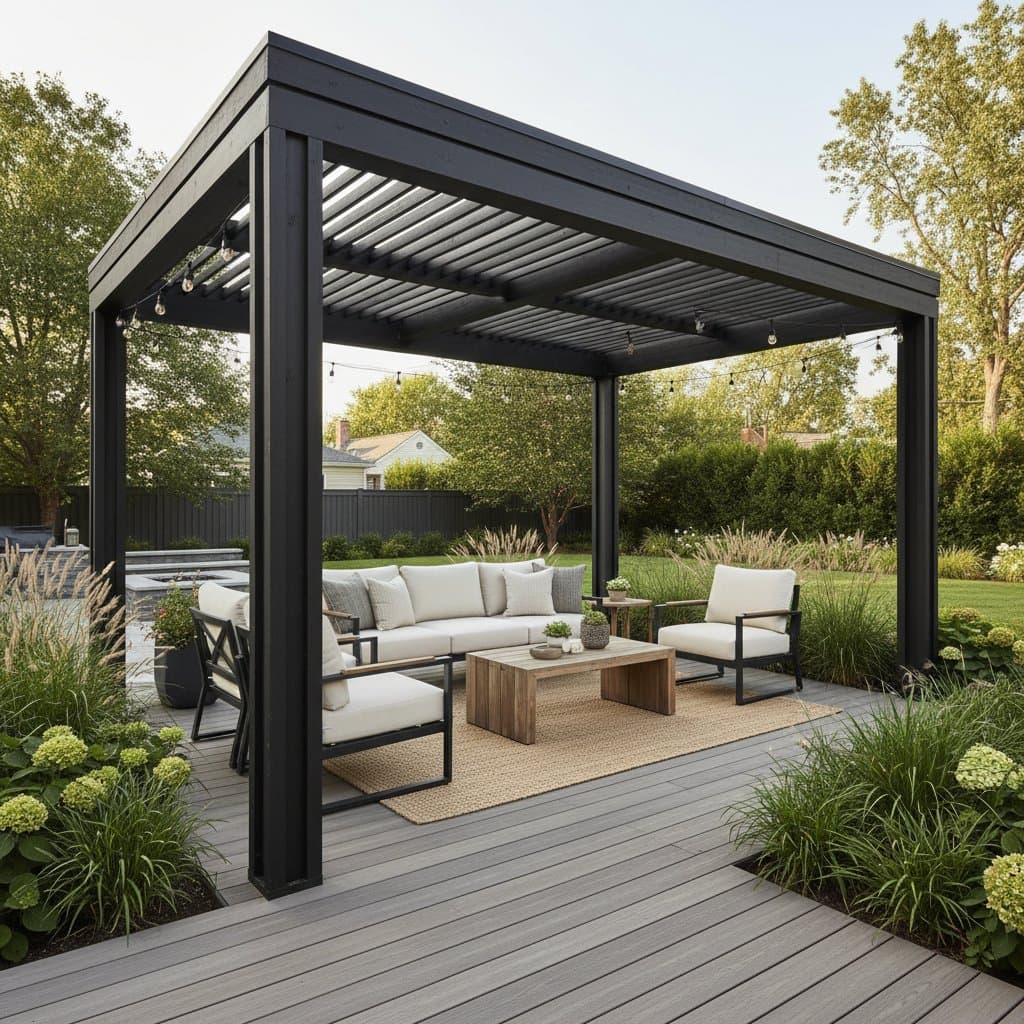
Understanding Pergola Pods for Deck Shading
A deck offers space for relaxation and fresh air, yet direct sunlight often limits its use. A pergola pod provides targeted shade, adds structural definition, and creates an enclosed feel that elevates an open deck into a dedicated outdoor area. These modular kits assemble quickly, often in a single weekend, and suit various deck sizes and styles. This guide explains pergola pod components, preparation steps, installation process, and care routines to ensure a safe, durable addition.
Essential Tools and Materials
Gather all necessary items before beginning to maintain project momentum. For a standard 10-by-10-foot pergola pod, prepare the following.
Tools
- Tape measure and bubble level for precise alignment
- Cordless drill with assorted bits for drilling and driving fasteners
- Socket wrench set for tightening bolts securely
- Rubber mallet for gentle adjustments without damage
- Sturdy ladder or step stool for overhead work
- Pencil and carpenter's square for accurate marking
Materials
- Complete pre-cut pergola pod kit in wood, vinyl, or aluminum construction
- Galvanized anchor bolts or corrosion-resistant deck screws for mounting
- Concrete anchors for installation on paver or slab surfaces
- Optional retractable canopy fabric or side panels for enhanced enclosure
- UV-protectant sealant or exterior-grade finish for wooden elements
Consult the kit's instruction manual for specific hardware requirements. Organize small parts like bolts and washers in a divided container to avoid misplacement during assembly.
Key Safety Considerations
Prioritize safety to prevent injuries and ensure structural integrity. Wear protective gloves when handling sharp metal edges or rough wood. Enlist a helper for lifting beams longer than six feet to distribute weight evenly.
Avoid drilling into deck joists without first scanning for hidden utilities like electrical wiring or gas lines. In regions prone to high winds, secure posts directly to the deck substructure or ground anchors. Test the completed assembly by applying gentle pressure; it should remain stable without movement. Address any instability by verifying bolt tightness and base leveling.
Project Budget and Timeline
Costs for pergola pod kits depend on material and features. Basic aluminum or steel options range from 400 to 900 dollars, while wooden kits typically cost 800 to 1500 dollars. Additions like custom paints, automated shades, or integrated lighting increase expenses.
Plan for 6 to 8 hours of work with one assistant and basic tools. Attaching extras such as curtains or fixtures adds about one hour. Professional installation doubles the budget but halves the time, ideal for complex sites.
Quality kits include warranties for at least 10 years, covering issues like frame rust, canopy fade, and component failures. Factor in annual maintenance costs, which remain low with proper care.
Step-by-Step Installation Guide
Follow these steps to assemble your pergola pod efficiently. Begin on a clear day with dry conditions to facilitate accurate measurements and secure fittings.
-
Prepare the Site: Clear the deck area of furniture and debris. Measure the space to confirm it accommodates the kit dimensions, allowing at least six inches of clearance from edges. Level the surface using shims if needed.
-
Assemble the Base Frame: Lay out the corner posts and base rails according to the manual. Connect them with provided brackets and bolts, using the level to ensure flatness. Position the frame on the deck and mark post locations for anchors.
-
Secure the Foundation: Drill pilot holes at marked spots. Insert galvanized bolts or screws through the base into the deck joists, tightening with a socket wrench. For ground-level decks, use concrete anchors to fasten posts firmly.
-
Erect the Roof Structure: Attach crossbeams to the top of posts, starting from one corner and working outward. Use the rubber mallet to seat joints snugly. Install the roof grid or slats, spacing them evenly for optimal shade distribution.
-
Add the Canopy and Panels: Stretch the canopy fabric over the roof frame and secure with clips or tracks. Attach side curtains if desired, ensuring they retract smoothly. Step back to check alignment and make final adjustments.
Inspect all connections twice before use. This process yields a functional shaded room ready for immediate enjoyment.
Ongoing Maintenance Practices
Regular upkeep preserves the pergola pod's appearance and longevity. Perform monthly tasks to address everyday wear.
- Hose down the canopy to clear dust and light dirt.
- Clean metal components with mild soapy water and a soft cloth, then rinse thoroughly.
- Check and tighten any loose bolts to maintain stability.
For seasonal maintenance, remove removable fabrics ahead of severe weather. Reapply sealant to wooden parts in early spring to protect against moisture. Examine anchors periodically for signs of rust, replacing compromised hardware promptly.
When incorporating string lights, disconnect them prior to cleaning. Select outdoor-rated extension cords and elevate them above potential water sources.
Storage Solutions for Components
Proper storage extends the life of flexible elements like canopies and panels. Fold or roll fabrics neatly and place them in a sealed, dry container to shield from pests and humidity. Label storage bags for swift retrieval during setup.
Opt for modular designs with quick-release clips on smaller decks, enabling removal in minutes. This approach promotes ventilation in mild weather and simplifies thorough cleaning.
Store deck accessories such as cushions within the structure using lidded, waterproof bins. Prevent mildew by allowing slight air circulation on dry days; trapped dampness leads to mold growth after brief exposure to rain.
Seasonal Care Strategies
Adapt maintenance to weather patterns for year-round performance. Address each season's challenges with targeted actions.
Spring Preparation
Inspect for cold-weather impacts, including bent slats or corroded fasteners. Clean surfaces and apply fresh sealant before increased humidity sets in. Test canopy mechanisms and mend any frayed edges.
Summer Upkeep
Position shades to filter intense sunlight during peak hours. Rinse away pollen accumulation weekly to avoid staining. Trim nearby foliage to prevent overgrowth that could snag fabrics.
Fall Maintenance
Sweep leaves from the overhead lattice to maintain drainage. Clear nearby gutters to stop water runoff from discoloring elements. Stow delicate panels inside ahead of windier conditions.
Winter Protection
Dismantle fabric covers if heavy snow threatens. Gently remove frost buildup from frames to avert cracking from expansion. Apply protective grease to exposed metal fittings against freeze-thaw cycles.
These routines require minimal time but avert expensive fixes down the line.
Situations Requiring Professional Help
Seek expert assistance if the deck shows signs of instability, such as spongy boards under load. Underlying issues like joist decay demand evaluation by a qualified carpenter to assess support beams and attachments.
For electrical enhancements including lights, ceiling fans, or receptacles, engage a licensed electrician. Insist on GFCI outlets and weather-resistant conduits to mitigate risks. Avoid adapting household wiring for exterior applications.
Enjoying Your New Outdoor Retreat
With installation complete, your pergola pod invites extended time outdoors. Use it for casual meals, reading sessions, or gatherings, adjusting features to suit the moment. This addition not only shields from elements but also boosts property appeal, providing enduring value through thoughtful design and care.