
Loading...

Fire Bowls and Herb Spirals: Easy Upgrades for Small Decks | urbanoutdoorsnyc.com | Urban Outdoors - Small-Space Gardens, Rooftop Decks, Balconies, Decks, Backyard Design
Skip to main content
Urban Outdoors
Search
Home
  1. Home
  2. /
  3. Deck Construction & Remodeling
  4. /
  5. Fire Bowls and Herb Spirals Transform Small Decks
Deck Construction & Remodeling

Fire Bowls and Herb Spirals Transform Small Decks

byDawn Hayden
2025-11-29 03:32:32November 29, 2025
6 min read
Featured image for Fire Bowls and Herb Spirals Transform Small Decks

Categories

Navigation

  • Home
  • All Articles
  • About Us
  • Privacy Policy
  • Terms of Service

© 2026 Urban Outdoors. Crafted for bold city dwellers.

2025-11-29 03:32:32
Urban Outdoors - Small-Space Gardens, Rooftop Decks, Balconies, Decks, Backyard Design

Introduction to Deck Transformations

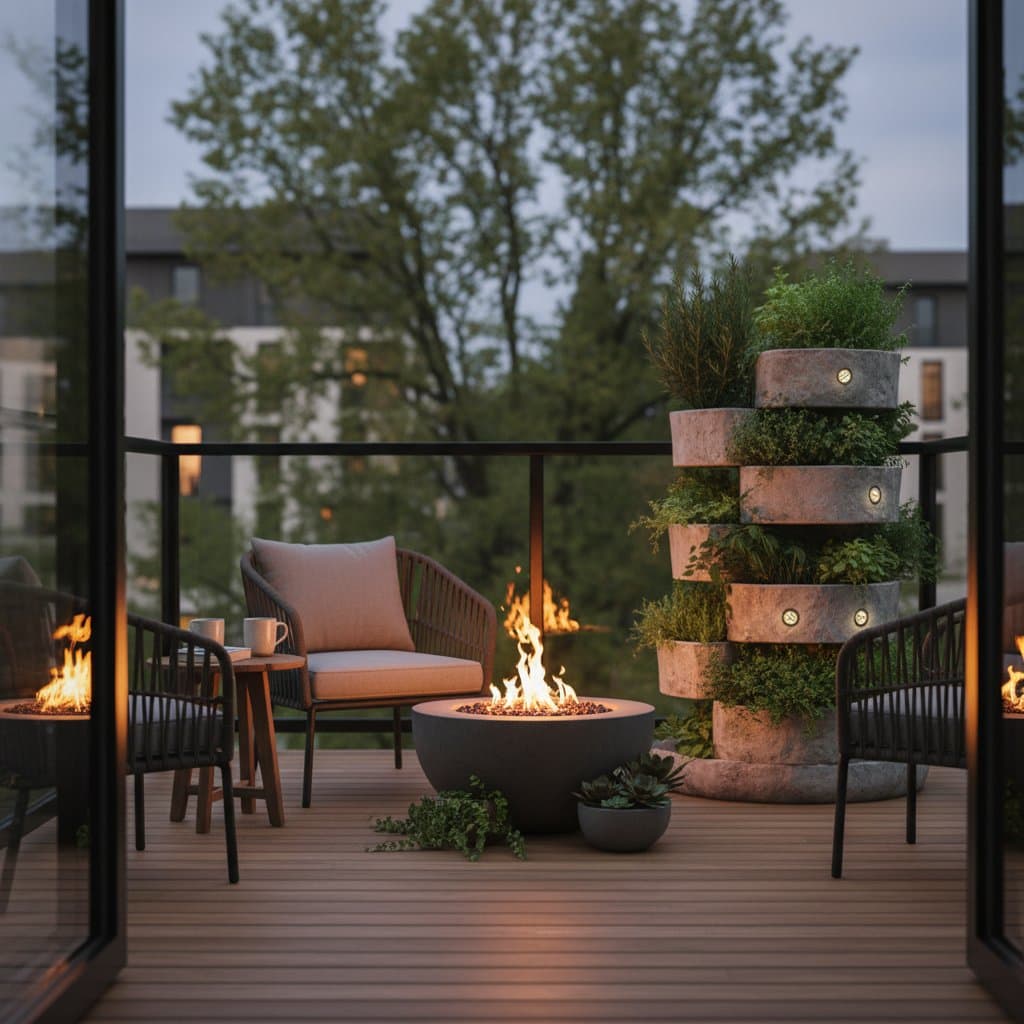
Small decks often face space constraints, yet they hold potential for remarkable enhancements. Fire bowls introduce a focal point of warmth and light, while herb spirals maximize vertical planting for fresh flavors and scents. Together, these features create a multifunctional area that encourages outdoor living throughout the seasons.

Selecting the right combination depends on your deck's layout and personal preferences. Consider sunlight patterns and traffic flow to position elements effectively. This approach ensures both aesthetics and functionality align with daily use.

Planning Your Layout

Begin by assessing the deck's dimensions and orientation. Measure available space, noting areas with partial shade for herbs and open spots for the fire bowl. Sketch a simple diagram to visualize placement, ensuring at least three feet of clearance around the fire feature for safety.

Choose materials that complement your deck's style. Opt for natural stone or recycled bricks for the herb spiral to promote sustainability. For the fire bowl, select a durable model in metal or ceramic that suits gas or wood fuel sources.

Account for local regulations on open flames. Consult building codes to confirm compliance, especially in urban settings. This step prevents issues and supports a secure installation.

Gathering Materials and Tools

Essential items for the herb spiral include stones, bricks, or concrete blocks for the structure, along with soil, compost, and drainage gravel. Select herbs like basil, mint, and thyme based on your culinary needs or desired aromas.

For the fire bowl, acquire a stable base, ignition tools, and fuel-appropriate accessories such as a poker or lid. Gather safety gear including gloves, a fire extinguisher, and non-flammable mats.

Tools required encompass a level, trowel, measuring tape, and wheelbarrow for transport. Source materials from local garden centers or salvage yards to keep costs low and environmental impact minimal.

Building the Herb Spiral

Construct the spiral in a clockwise or counterclockwise form, starting with a low base that rises to about three feet. Lay the first layer of stones or bricks in a gentle curve, filling the interior with gravel for drainage followed by a soil-compost mix.

Plant herbs according to their preferences: moisture-loving varieties like mint at the base, drought-tolerant ones like rosemary at the top. Water thoroughly after planting to settle the soil and encourage root establishment.

Position the spiral near the deck's edge or corner to save floor space. This design not only conserves area but also creates microclimates that benefit plant health.

Installing the Fire Bowl

Place the fire bowl on a heat-resistant surface, such as a stone pad or metal stand, centered on the deck for optimal viewing. Secure it against tipping by anchoring if necessary, particularly on uneven boards.

Connect gas lines following manufacturer instructions, or prepare a wood-burning setup with a grate for even burning. Test the stability by applying gentle pressure to ensure it remains firm.

Integrate the bowl with surrounding decor, perhaps encircling it with low plants or seating. This setup enhances ambiance while maintaining practical access.

Step 5. Light and Test

Ignite a modest fire or activate the gas burner. Observe smoke patterns and confirm that embers remain contained within the bowl. Position seating a minimum of two feet from the feature to prioritize safety.

After testing, hydrate the herb spiral to counteract any drying effects from the heat. Monitor the overall setup for balance between the warm glow and the greenery.

Troubleshooting Common Issues

Uneven Flame or Excessive Smoke

Excessive smoke in wood-fired bowls often results from moist fuel or obstructed vents. Thoroughly clean the interior and employ only seasoned hardwood. For gas models, gently clear burner openings using a soft-bristled brush to restore even flow.

Persistent issues may indicate a need for professional inspection. Address them promptly to avoid safety risks or reduced enjoyment.

Herbs Wilting or Yellowing

Wilting or discoloration typically signals inadequate drainage or excessive moisture. Incorporate additional sand into the lower soil layers to improve percolation. Irrigate solely when the surface inch of soil appears dry to the touch.

Examine for pests or nutrient deficiencies as secondary causes. Adjust care routines based on observations to sustain vibrant growth.

Shifting Stones or Bricks

Dislodgement occurs due to rainfall or structural vibrations. Reposition unstable elements and firmly pack surrounding soil. Apply a modest quantity of weather-resistant adhesive beneath critical stones for added security.

Regular inspections help catch minor shifts early. This maintenance preserves the spiral's form and prevents erosion.

Storage Guidelines

In regions with subfreezing winters, relocate the fire bowl to an indoor area or shield it with a watertight cover. Empty propane connections completely. Coil and store hoses in a protected, moisture-free location.

Protect the herb spiral by mulching soil with straw or fallen leaves to safeguard roots. Relocate tender potted herbs to an indoor environment if frost threatens. Organize tools in a sealed, dry container to extend their lifespan.

Seasonal Maintenance Tips

Spring Preparation

Replace any winter-damaged herbs with fresh starters. Inspect the fire bowl for corrosion prior to reuse. Redistribute gravel or pavers displaced by freeze-thaw cycles to restore neatness.

Fertilize the soil lightly to boost regrowth. This season sets the foundation for robust performance ahead.

Summer Care

Operate the fire bowl during early evenings to provide illumination without overwhelming heat. Administer water to herbs in the morning hours, allowing foliage to dry before dusk. Prune flowering stems to maintain herb potency and prevent bitterness.

Monitor for heat stress in plants near the bowl. Shade cloths offer temporary relief during peak temperatures.

Autumn Adjustments

Gather and preserve herbs ahead of the first frost. Employ the fire bowl to extend comfortable evenings as temperatures drop. House surplus firewood in a ventilated, dry enclosure to keep it ready.

Clear fallen debris regularly to avoid buildup. These habits transition the space smoothly into cooler months.

Winter Protection

In temperate zones, maintain a low flame for subtle atmosphere. In harsher climates, enclose both features securely and examine deck surfaces for accumulated dampness to prevent warping.

Minimal intervention suffices if protections remain intact. Plan for spring reactivation during quieter periods.

Implementing Your Vision

Commence with modest experiments. Simulate the arrangement using cardboard for the spiral and a temporary metal container for the fire bowl. Circumnavigate the area to evaluate movement and comfort.

Proceed sequentially: delineate zones for fire and planting, collect sustainable stones or bricks, then assemble the spiral and position the bowl concurrently to assess harmony.

Tailor herb selections to your lifestyle. Culinary enthusiasts might favor oregano and parsley, while fragrance lovers could choose lavender and lemon balm. Such choices elevate routine deck interactions.

Sustaining the Transformation

Fire bowls and herb spirals draw individuals outdoors with greater frequency. These elements demand minimal area yet deliver substantial sensory rewards. Through deliberate construction and upkeep, they infuse illumination, coziness, and organic vitality.

The emphasis lies in usability over flawlessness. Evolve the arrangement gradually by incorporating additional flora or refining the fire configuration as needs change.

Initiate today by tidying the deck and designating a section. Advance to construction tomorrow, aiming for stargazing by the weekend with accessible herbs and a gentle fire. Such incremental efforts cultivate lasting serenity.

You Might Also Like

Smart Drip Systems Keep Balcony Plants Thriving

Self-Watering Solar Towers for Balcony Gardens

Fire-Pit Decks with Seating Walls Work Year-Round

Why 2026 Fire Codes Will Change Your Rooftop Deck

Compact Fire Tables That Fit Small Urban Balconies

Tagged:

fire,planters,herb,bowl,fire-bowl-planters

Recent by Dawn Hayden

Image for Solar Drips Water Your Balcony Garden Automatically

Solar Drips Water Your Balcony Garden Automatically

Apr 14, 2026
Image for Solar Pergolas Cut Power Bills While Shading Rooftops

Solar Pergolas Cut Power Bills While Shading Rooftops

Apr 1, 2026
Image for Cut Urban Deck Noise with Acoustic Panels

Cut Urban Deck Noise with Acoustic Panels

Apr 1, 2026
Image for Water 40 Plants from One Bottle with Micro-Drip

Water 40 Plants from One Bottle with Micro-Drip

Mar 31, 2026
Image for Balcony Microclimates: Your Key to Year-Round Comfort

Balcony Microclimates: Your Key to Year-Round Comfort

Mar 22, 2026

fire

Image for Fire-Pit Decks with Seating Walls Work Year-Round

Fire-Pit Decks with Seating Walls Work Year-Round

Feb 14, 2026
Image for Why 2026 Fire Codes Will Change Your Rooftop Deck

Why 2026 Fire Codes Will Change Your Rooftop Deck

Feb 3, 2026
Image for Compact Fire Tables That Fit Small Urban Balconies

Deck Construction & Remodeling

Cut Deck Heat 40 Degrees with Reflective Coatings

Convert your overheated deck into a comfortable oasis using reflective coatings that reflect sunlight and drop temperatures by up to 40 degrees. Explore detailed guidance on tools, safe application methods, upkeep strategies, and cost-effective options to maximize your outdoor enjoyment.

Apr 14, 2026

Mushroom Decks That Compost After Years of Use

Mycelium decking revolutionizes eco-conscious outdoor design with durable, compostable panels grown from fungal roots and agricultural waste. This guide details production, care, budgeting, and the profound environmental gains, paving the way for zero-waste living spaces.

Apr 13, 2026

Solar Retractable Roofs Generate Power While You Relax

Elevate your deck with a solar retractable roof that delivers on-demand shade, generates renewable energy, and reduces utility bills. This guide covers planning, key components, installation insights, and maintenance strategies for sustainable outdoor living.

Apr 13, 2026

Categories

Deck Construction & Remodeling(229)
Balcony Design(193)
Small-Space Gardens(84)
Rooftop Decks(83)
Backyard Design(22)

Compact Fire Tables That Fit Small Urban Balconies

Jan 22, 2026
Image for Sunken Fire Pits Transform Decks Into Year-Round Retreats

Sunken Fire Pits Transform Decks Into Year-Round Retreats

Dec 28, 2025
Image for Tabletop Fire Pits Bring Warmth to Small Balconies

Tabletop Fire Pits Bring Warmth to Small Balconies

Dec 25, 2025

Why Shade Sails Drop Deck Temps 20 Degrees

In 2026, shade sails emerge as a transformative solution for outdoor comfort. These tensioned fabric structures decrease deck surface temperatures by as much as 20 degrees Fahrenheit, safeguard materials from UV damage, and promote relaxation without relying on energy-intensive methods. This guide covers selection criteria, installation procedures, and upkeep practices to deliver elegant, eco-friendly shading that elevates urban decks into inviting havens.

Apr 5, 2026

Cut Urban Deck Noise with Acoustic Panels

Convert your bustling urban deck into a tranquil haven using acoustic panels. This guide details the mechanics of sound absorption, essential tools for setup, precise installation procedures, ongoing care practices, expense breakdowns, and seasonal upkeep strategies to sustain a serene, inviting, and aesthetically pleasing environment throughout the year.

Apr 1, 2026

Mushroom-Based Deck Tiles Cut Carbon and Maintenance

Mycelium deck tiles, derived from fungal roots, redefine urban outdoor living. These lightweight, eco-degradable, and insulating options enable simple DIY setup and reduced upkeep. Delve into their green advantages, precise installation process, and care strategies for an earth-friendly deck that enhances comfort and sustainability.

Mar 22, 2026

Living Pergolas Cool Decks Through Natural Shade

Transform your deck into a shaded, verdant escape using a living pergola. This comprehensive guide details material selection, structural assembly, irrigation setup, and vine choices that flourish. Explore techniques to enhance shade, optimize airflow, and cultivate a sustainable oasis that enhances comfort and beauty with each passing season.

Mar 18, 2026

Shape Deck Zones to Stay Comfortable All Year

Elevate your deck into a versatile outdoor haven by implementing microclimate zones. This approach involves assessing light patterns, wind flow, and thermal areas, then applying targeted elements like portable heaters, shade structures, and strategic plantings to ensure comfort across all seasons.

Mar 18, 2026

Cool Decks Stay 20 Degrees Cooler in Summer Heat

Turn urban decks from hot hazards into cool havens with heat-reflective materials. This guide covers composites, thermally modified woods, and strategies to maintain surfaces up to 20 degrees cooler, plus practical advice on design, budget, and care for year-round enjoyment.

Mar 16, 2026

Micro-Misting Drops Deck Temperature 15 Degrees

Combat summer heat by installing a micro-misting system that reduces deck temperatures up to 15°F. This guide covers the cooling process, energy-efficient benefits, and adaptable designs for various outdoor areas. Find detailed installation instructions, troubleshooting advice, and seasonal maintenance to sustain a refreshing backyard environment.

Mar 16, 2026

Mycelium Decks Break Down Instead of Piling Up

Mycelium decks revolutionize urban outdoor areas with panels grown from fungal networks and agricultural byproducts. These lightweight, water-resistant, and fully biodegradable options provide a green alternative to traditional plastic composites. This guide covers installation, upkeep, budgeting, and strategies to maximize their lifespan while minimizing environmental impact.

Mar 15, 2026

Creating Deck Zones That Work in Every Season

Elevate your deck into a seasonal haven by developing microclimates that provide tailored comfort throughout the year. Explore strategies for zoning, shading, heating, and organizing with durable materials, strategic lighting, and efficient storage solutions. Achieve prolonged outdoor use while enhancing energy efficiency, visual appeal, and safety measures.

Mar 15, 2026

Glass Domes Keep Your Deck Open All Year

Elevate your deck into a versatile, all-season haven using glass domes or retractable pergolas. Gain insights into selecting materials, executing installations, and performing upkeep to maintain a bright, comfortable area for winter mornings or summer evenings alike.

Mar 14, 2026

Solar Pavers Store Sunlight and Charge Your Phone

Elevate your outdoor spaces with solar pavers that capture daylight to provide nighttime illumination and device charging capabilities. This comprehensive guide details their functionality, installation requirements, upkeep recommendations, expense considerations, and safety protocols to help you build an efficient, luminous environment that performs reliably throughout the year with little ongoing work.

Mar 14, 2026

Smart Apps Map Microclimates for Ideal Deck Builds

Smart apps uncover microclimate nuances in your yard, from sunlight exposure to wind flow and moisture levels. These tools guide material selection, layout planning, and design choices to create durable, comfortable decks. Transform local data into a strategic plan for your perfect outdoor area.

Mar 13, 2026

Pergola Pods Turn Decks Into Year-Round Retreats

Elevate your deck with a pergola pod, a versatile structure that provides shade, protection, and aesthetic appeal. This guide covers planning, construction, upkeep, and strategies to maximize seasonal use, ensuring comfort in any weather.

Mar 12, 2026

Solar Pergolas Cut Cooling Costs While Powering Your Deck

Elevate your deck with a solar pergola that offers shade and produces clean energy. This comprehensive guide details planning, material choices, installation steps, safety measures, troubleshooting, budgeting, and maintenance. Discover how to build a durable structure that cuts energy expenses and enhances outdoor comfort.

Mar 11, 2026

Micro-Misting Drops Deck Heat 15° Without Puddles

Micro-misting provides an effective solution to transform sweltering decks into comfortable retreats, reducing temperatures by up to 15 degrees through fine water droplets. This guide details the science behind the cooling, lists necessary tools and materials, outlines installation processes, addresses safety considerations, and offers maintenance advice for reliable performance throughout the season.

Mar 11, 2026

Mycelium Decks Grow Strength from Fungal Roots

Mycelium decks leverage fungal networks to create biodegradable, waste-derived outdoor flooring that enhances urban sustainability. This resource provides practical instructions for building resilient panels that integrate nature into city living, including material selection, assembly techniques, and long-term care strategies.

Mar 11, 2026

Micro-Clover Borders Cut Deck Upkeep in Half

Revitalize weary deck borders using resilient micro-clover, a self-sustaining ground cover that thrives with little intervention. This guide details installation, care essentials, and advantages like reduced mowing and enhanced aesthetics for compact urban spaces.

Mar 10, 2026