
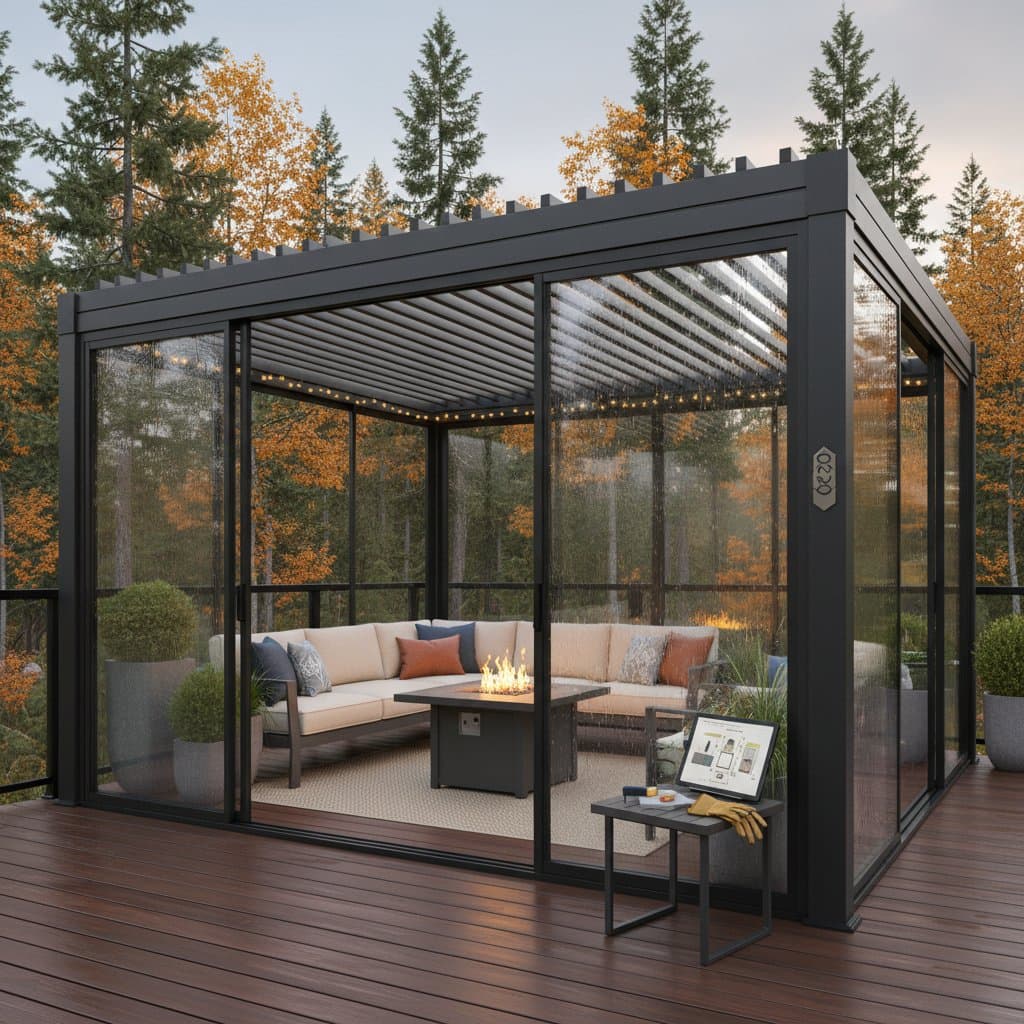
Introduction to Pergola Pods
Pergola pods offer a practical solution for extending outdoor living spaces on decks. These structures combine the open-air appeal of traditional pergolas with enclosed, weather-resistant features such as retractable roofs and side panels. Homeowners appreciate their ability to create protected areas for relaxation, dining, or entertaining without the need for full-room construction.
Installation typically spans two days, allowing for a swift transformation. Proper planning ensures the pod integrates seamlessly with existing deck layouts. Focus on selecting materials that withstand local weather conditions, from heavy rain to intense sun exposure.
Design Choices for Your Pergola Pod
Begin by evaluating your deck's dimensions and intended use. Measure the available space to determine pod size, aiming for coverage of at least 80 percent of the deck surface. Consider fixed versus adjustable roofs: louvered systems allow manual tilting for shade control, while motorized options provide remote operation.
Select enclosure types based on privacy needs. Fabric screens offer lightweight wind protection, whereas sliding glass panels provide a more permanent barrier against elements. Integrate lighting and heating elements during design to enhance usability in evenings or cooler months.
Customize aesthetics with finishes that complement your home's exterior. Powder-coated aluminum frames resist corrosion, and wood accents add warmth. Consult local building codes to confirm compliance with height and setback requirements.
Essential Tools and Materials
Gather tools before starting to maintain project momentum. Basic items include a tape measure, level, drill with bits, wrench set, and ladder. For cutting, use a circular saw and miter saw for precise beam angles.
Materials encompass aluminum or vinyl posts, roof panels in polycarbonate or acrylic, and mounting hardware such as lag screws and brackets. Purchase weatherproof sealants, including silicone caulk, and fasteners rated for outdoor use. Optional accessories like LED strips and screens require compatible clips and wiring kits.
Organize tools in a nearby workstation to minimize downtime. Verify all components upon delivery to address any defects promptly.
Step-by-Step Installation Guide
Follow these numbered steps to assemble your pergola pod efficiently. Allocate the first day to foundational work and the second to finishing touches. Work in moderate weather to ensure safety and accuracy.
1. Prepare the Deck Surface
Clear the deck of furniture, plants, and debris. Inspect boards for rot or instability; replace any damaged sections with pressure-treated lumber. Mark post locations using a chalk line, spacing them evenly according to kit instructions, typically 8 to 10 feet apart.
Level the surface with shims under uneven boards. Apply a fresh coat of deck sealant if the wood appears dry, allowing 24 hours to cure before proceeding. This preparation prevents future shifting and extends the structure's lifespan.
2. Install the Post Foundations
Secure base plates or anchors to the deck using lag bolts driven into joists. Position posts vertically, checking plumb with a level in multiple directions. Tighten bolts gradually to avoid warping.
For added stability in windy areas, embed concrete footings below the deck if permitted. Space posts to support the roof load evenly, ensuring at least four for spans over 10 feet. Brace posts temporarily with clamps until the frame connects.
3. Assemble the Frame and Beams
Attach horizontal beams to post tops using provided brackets and screws. Align beams parallel with the deck's length, using a string line for straightness. Install cross rafters perpendicular to main beams, spacing them 16 to 24 inches apart for roof support.
Reinforce joints with metal plates if the kit specifies. Test the frame's rigidity by applying gentle pressure; adjust as necessary before advancing. This skeletal structure forms the backbone of your weatherproof enclosure.
4. Attach the Roof Panels
Position roof panels over rafters, securing with clips or screws along edges. Overlap panels slightly to direct water runoff. Apply sealant to seams immediately to form a watertight barrier.
Incorporate louvers by sliding them into tracks on beam undersides. Angle fixed panels for optimal drainage, creating a slight pitch away from the house. Cover the entire assembly with a protective tarp overnight if rain threatens.
5. Mount Screens and Accessories
Hang fabric screens or sliding panels from beam tracks, ensuring smooth operation. Secure edges with tension rods to prevent sagging. Install LED light strips along inner beam edges, connecting to a weatherproof power source.
Opt for clips over staples to protect wiring integrity. Position accessories like fans or heaters on reinforced sections to distribute weight evenly. Test mechanisms for ease of use before final adjustments.
6. Test for Stability
Shake each post lightly to verify the structure remains immobile. Simulate rain by spraying the roof with a garden hose, observing for drips at joints. Tighten bolts or reapply seals where water penetrates.
Conduct a wind simulation indoors if possible, or wait for a light breeze to check panel security. Address any vibrations promptly to avoid wear over time. Document adjustments for future reference.
7. Clean and Stage the Space
Sweep the deck thoroughly and wipe surfaces with mild soap and water solution. Allow everything to dry completely before adding elements. Introduce furniture, planters, or rugs to envision the final layout.
Arrange seating to maximize flow and views. Secure loose items to prevent wind displacement. This staging phase helps identify any overlooked refinements.
Safety Tips
Collaborate with at least one assistant for lifting beams or panels, distributing weight to reduce strain. Avoid ladders on irregular deck surfaces; select stable step platforms instead.
Route electrical cords away from potential wet zones during lighting installation. Halt work during strong winds exceeding 15 miles per hour or heavy precipitation. Rely exclusively on outdoor-rated sealants and fasteners to resist rust and deterioration.
A methodical approach prioritizes safety over speed, even when targeting the 48-hour timeline.
Troubleshooting Common Issues
Address leaks at roof joints by cleaning the area and reapplying silicone sealant, then retightening fasteners. For panels that rattle in wind, insert rubber washers beneath screws to dampen vibrations.
If posts exhibit minor shifting, examine underlying deck framing for loose boards or inadequate joists; reinforce with lag bolts as required. To resolve water pooling on the roof, elevate one side using spacer blocks under brackets, achieving a one-inch drop per foot for effective drainage.
These targeted fixes mitigate potential damage and preserve structural integrity.
Budget and Time Management
Divide tasks across two days for optimal efficiency: dedicate day one to framing and roof installation, reserving day two for screens, lighting, and testing. Professional contractors often handle the project with a two-person team, completing it within the timeframe.
Reduce expenses by selecting manual louvers over motorized versions, saving approximately 300 dollars. Opt for clear polycarbonate panels instead of tinted glass to cut costs by about 200 dollars. Pre-seal and stain the deck to eliminate the need for additional waterproofing.
Invest fully in anchors and sealants, as they safeguard against severe weather events.
Maintenance Guidelines
Examine the pergola pod biannually for hardware looseness; tighten as needed. Clean the roof using a soft brush and mild detergent, followed by a gentle hose rinse for screens.
Remove leaves and debris regularly to avert staining or clogs. Reapply sealant every two to three seasons, or immediately upon noticing cracks. Store detachable screens inside during extended winters to prolong durability, utilizing bins or chests.
LED lights endure for several years; inspect connectors annually for corrosion and replace faulty segments to avert electrical issues.
Optimizing Storage in Your Pergola Pod
Leverage the enclosed area for practical storage beyond furnishings. Install sealed benches to shield cushions from moisture. Mount hooks on interior posts for tools, games, or accessories.
Add a slim shelf along beams for items like candles or shade-tolerant plants. When grilling, place a heat-resistant mat beneath the unit and maintain a two-foot clearance from walls or screens to protect surfaces.
View the pergola pod as an adaptable extension of your home, providing shade in summer, shelter in transitional seasons, and organized storage otherwise.
Realizing Year-Round Outdoor Enjoyment
With careful installation and upkeep, your pergola pod delivers enduring value. It shields against elements while fostering connections with nature. Adapt its use to seasonal needs, from al fresco meals to quiet retreats, enhancing daily living.