
Loading...

Permeable Decks Reduce Heat by 20° | Eco-Friendly Cooling Solutions | urbanoutdoorsnyc.com | Urban Outdoors - Small-Space Gardens, Rooftop Decks, Balconies, Decks, Backyard Design
Skip to main content
Urban Outdoors
Search
Home
  1. Home
  2. /
  3. Deck Construction & Remodeling
  4. /
  5. Permeable Decks Drop Surface Heat by 20 Degrees
Deck Construction & Remodeling

Permeable Decks Drop Surface Heat by 20 Degrees

byDawn Hayden
2025-12-18 04:25:49December 18, 2025
6 min read
Featured image for Permeable Decks Drop Surface Heat by 20 Degrees

Categories

Navigation

  • Home
  • All Articles
  • About Us
  • Privacy Policy
  • Terms of Service

© 2025 Urban Outdoors. Crafted for bold city dwellers.

2025-12-18 04:25:49
Urban Outdoors - Small-Space Gardens, Rooftop Decks, Balconies, Decks, Backyard Design

Permeable Decks: Reducing Surface Heat by Up to 20 Degrees for Cooler Outdoor Spaces

Excessive heat from deck surfaces often detracts from enjoyable summer experiences. Bare feet encounter uncomfortable temperatures, and residual warmth lingers well into the evening. A permeable deck addresses these issues by permitting water to drain through intentional gaps or porous compositions, thereby mitigating heat accumulation. The result is a surface that remains pleasant even during peak temperatures. This article examines the principles behind permeable decks, suitable materials for temperature control, and strategies for integrating one into your property.

Understanding Permeable Decks

A permeable deck enables rainwater to infiltrate the surface and reach the underlying soil or a designated drainage system. This approach eliminates standing water and mitigates risks of slips or mold development. Evaporation of moisture through the surface further diminishes reflected heat, enhancing overall usability. The design principle applies equally to ground-level patios, elevated rooftop installations, or compact backyard platforms.

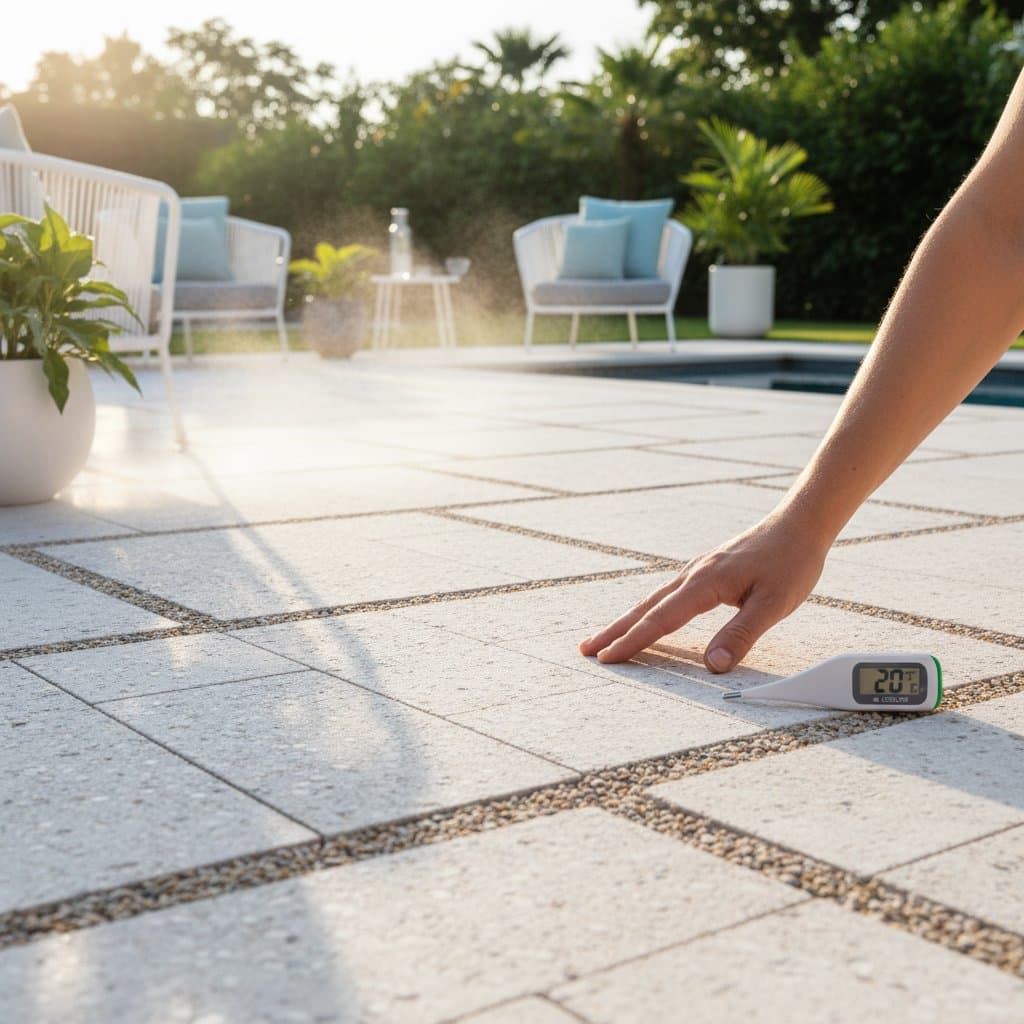
Beyond immediate comfort, these surfaces contribute to environmental management. They facilitate stormwater control, safeguard adjacent vegetation from erosive runoff, and counteract urban heat island effects near structures. Compared to impervious options like solid concrete or standard composite decking, permeable variants can lower surface temperatures by 10 to 20 degrees Fahrenheit, depending on material selection and environmental conditions.

Essential Tools and Materials

Constructing a modest permeable deck requires standard woodworking implements, though the choice of surfacing profoundly influences performance. Essential tools include a measuring tape extending at least 25 feet for accurate layout and spacing assessments, a circular saw or handsaw for precise cuts, and a drill equipped with appropriate bits for creating pilot holes and securing fasteners. A reliable level ensures proper slope for drainage, while a rubber mallet and spacers prove useful for positioning pavers or tiles. Additionally, incorporate geotextile fabric as a foundational layer to inhibit soil migration without obstructing water flow.

Effective materials prioritize both permeability and heat dissipation. Permeable pavers, crafted from concrete, ceramic, or composite formulations with integrated open joints, allow efficient drainage. Wood or bamboo slats installed with gaps of 1/8 to 1/4 inch between boards provide a natural aesthetic alongside functional porosity. Porous composite decking features microscopic channels that permit water passage while maintaining durability. Recycled plastic grid panels, often infilled with gravel or fine stones, offer a low-maintenance alternative. Opt for lighter hues such as beige, light gray, or aged wood finishes, which reflect solar radiation more effectively than darker alternatives like deep brown or black.

Construction Process

Planning the Layout

Define the deck footprint using stakes and string for clear boundaries. Consult local regulations regarding stormwater management and structural load capacities, particularly for elevated installations. Establish a subtle incline of 1/8 inch per linear foot, directing away from the residence, to optimize water runoff.

Preparing the Foundation

Clear the site of vegetation and loose material. For ground-based decks, excavate approximately 4 inches and backfill with crushed stone or gravel, then compact thoroughly for stability. On rooftops, employ rubber or composite pedestals to elevate the assembly, promoting air circulation beneath.

Installing the Geotextile Layer

Position the geotextile fabric across the prepared base. This permeable barrier prevents sediment from infiltrating the drainage aggregate while facilitating unimpeded water percolation.

Building the Framework

Select pressure-treated lumber or corrosion-resistant aluminum for the substructure, spaced at 16-inch intervals to support the surface load. Verify levelness throughout to avoid uneven settling. For grid or paver systems, utilize adjustable pedestals or spacers to maintain uniform separation.

Applying the Surfacing

Arrange boards, tiles, or panels with uniform intervals: at minimum 1/8 inch for wooden elements and up to 1/4 inch for pavers. Fasten using screws or clips designed for moist environments. Periodically assess alignment from various angles to ensure a cohesive pattern.

Finishing Touches

Apply a UV-protective, water-based sealant or stain to enhance heat resistance and color retention. Allow sufficient drying time before introducing furnishings or heavy use.

Safety Considerations

Protect yourself with gloves and safety eyewear during cutting and fastening operations. Refrain from tasks on damp surfaces to minimize slip hazards. For elevated decks, verify that support elements comply with municipal building codes. Maintain a safe distance between electrical equipment and any moisture during post-installation cleaning.

Common Issues and Solutions

Should water accumulate on the surface, inspect joints for blockages or underlying gravel compaction. Flush the area with a garden hose to dislodge particulates. In cases of prolonged moisture in shaded zones, evaluate airflow by introducing minor ventilation spaces or pruning obstructing foliage. Replace warped boards individually and promptly secure any loosened fasteners to preserve spacing integrity.

Upkeep and Seasonal Care

Perform weekly sweeping to remove debris that could obstruct drainage channels. Conduct periodic gentle cleaning with mild soap solution to eliminate buildup without compromising protective coatings. During off-seasons, store removable items like cushions in sealed, dry containers. Avoid de-icing salts, which may erode porous components; opt for sand application or soft-bristled sweeping instead.

Cost Estimates and Timeline

Materials for a 10-by-12-foot deck using wooden slats typically range from two to four dollars per square foot. Systems involving composites or pavers escalate to five through nine dollars per square foot. Professional labor adds three to six dollars per square foot. DIY efforts on smaller scales often complete within a weekend, assuming tools are on hand, while extensive or suspended projects may require a full week, including curing periods.

Practical Adjustments by Season

Prior to warm weather, inspect all intervals for obstructions and verify post-rain drainage efficiency. During intense heat, apply a light morning mist to promote evaporative cooling. As autumn arrives, clear fallen leaves promptly to prevent organic matter from sealing joints.

Professional Assistance Indicators

Engage a specialist if observations include framework shifts, surface sagging, or persistent subsurface pooling. Inquire about weight tolerances, impermeable liners, and integrated runoff pathways. Professionals ensure adherence to standards and adaptation to regional climate patterns.

Implementing Changes

Examine your existing deck for drainage effectiveness after the next rainfall. Experiment with a targeted area, such as installing pavers in a nook or adding spaced slats to a section. Monitor temperature variations using an infrared thermometer to quantify improvements and refine your approach.

You Might Also Like

Acoustic Panels Cut Deck Noise by Half or More

Compact Pergolas That Fit Tight Urban Decks

Why Pergola Pods Turn Small Decks Into Real Rooms

Moss Walls Cut Deck Upkeep While Cooling City Spaces

Why Gravel Gardens Need Less Water Near Decks

Tagged:

materials,deck,decking,permeable,heat,cool,reducing,permeable-decking,surfaces,cool-deck-materials

Recent by Dawn Hayden

Image for Automated Balcony Watering Cuts Water Use in Half

Automated Balcony Watering Cuts Water Use in Half

Dec 18, 2025
Image for Cut Urban Noise by 15 Decibels with Balcony Screens

Cut Urban Noise by 15 Decibels with Balcony Screens

Dec 17, 2025
Image for Why Pergola Pods Turn Small Decks Into Real Rooms

Why Pergola Pods Turn Small Decks Into Real Rooms

Dec 12, 2025
Image for Pergola Screens Block Views While Breezes Pass Through

Pergola Screens Block Views While Breezes Pass Through

Dec 11, 2025
Image for Why Fire Tables Beat Traditional Firepits in 2025

Why Fire Tables Beat Traditional Firepits in 2025

Dec 10, 2025

materials

Image for Mushroom Roots Are Replacing Wood Decks

Mushroom Roots Are Replacing Wood Decks

Dec 9, 2025
Image for Mycelium Decking: The Biodegradable Alternative to Wood

Mycelium Decking: The Biodegradable Alternative to Wood

Nov 24, 2025
Image for Fire-Rated Composite Decking Beats Urban Fire Bans

Deck Construction & Remodeling

Permeable Decks Drop Surface Heat by 20 Degrees

Transform your outdoor space with a permeable deck that facilitates water drainage, minimizes surface heat, and eliminates puddles or mold growth. Discover how light-colored, porous materials combined with thoughtful design yield cooler, safer environments. This comprehensive guide addresses planning, construction, upkeep, and cost considerations to maintain comfort throughout the seasons.

Dec 18, 2025

Why Fire Tables Beat Fire Pits on Small Decks

Elevate your small deck with a fire table that delivers warmth, style, and utility. Outshining traditional fire pits in space efficiency and safety, it transforms limited areas into inviting retreats. Discover selection, installation, and care strategies for optimal enjoyment.

Dec 17, 2025

Acoustic Panels Cut Deck Noise by Half or More

Transform a noisy urban deck into a tranquil haven using acoustic panels that absorb echoes and block external sounds. This guide covers planning, installation of durable weatherproof panels, noise reduction strategies achieving up to 50 percent improvement, and maintenance for long-term outdoor peace.

Categories

Deck Construction & Remodeling(95)
Balcony Design(86)
Small-Space Gardens(35)
Rooftop Decks(34)
Backyard Design(15)

Fire-Rated Composite Decking Beats Urban Fire Bans

Nov 10, 2025
Image for Composite Pavers Stay Smooth Without Splintering

Composite Pavers Stay Smooth Without Splintering

Nov 8, 2025
Image for Cork Decking Absorbs City Noise and Stays Cool

Cork Decking Absorbs City Noise and Stays Cool

Nov 1, 2025
Dec 17, 2025

Compact Pergolas That Fit Tight Urban Decks

Elevate your small urban deck with a compact pergola that delivers shade and seclusion without dominating the space. This guide covers planning, construction, and upkeep to help you create a versatile outdoor haven that suits city living.

Dec 15, 2025

Why Pergola Pods Turn Small Decks Into Real Rooms

Elevate a compact deck into a private, shaded haven using a pergola pod. This lightweight, modular addition provides comfort and versatility for urban living. Follow our guide to installation, customization, and care for an inviting space ideal for relaxation or entertaining.

Dec 12, 2025

Moss Walls Cut Deck Upkeep While Cooling City Spaces

Convert an urban deck into a vibrant, effortless haven using moss walls. These soil-free panels provide year-round greenery, air cooling, noise reduction, and minimal upkeep. Follow guidance on construction, secure mounting, and maintenance for a peaceful, eco-friendly outdoor area.

Dec 12, 2025

Why Gravel Gardens Need Less Water Near Decks

Gravel gardens transform low-water decks into sustainable havens for 2025, blending effortless elegance with practical benefits. These designs mitigate runoff, shield deck surfaces, and demand little upkeep while maintaining a fresh, verdant appeal. Follow these steps to create and sustain a gravel garden that elevates your outdoor experience.

Dec 11, 2025

Glass Railings Stay Ice-Free All Winter Long

Elevate your winter deck experience with glass railings designed to repel ice and frost. This guide covers selecting durable glass types, applying protective coatings, ensuring secure installation, and simple upkeep to preserve transparency and modern appeal amid seasonal challenges.

Dec 10, 2025

Deck Gardens Stay Healthy Without Daily Watering

Struggling with frequent watering for deck plants? Automated systems provide reliable moisture with set-it-and-forget-it convenience. Explore planning, installation, and upkeep for a thriving container garden that saves time and water, keeping plants vibrant even during busy schedules or vacations.

Dec 10, 2025

Mushroom Roots Are Replacing Wood Decks

Mycelium, the root network of mushrooms, redefines decking with a biodegradable option superior to wood and plastics. This guide covers its creation, setup, upkeep, and strategies for longevity, safety, and affordability in green outdoor designs.

Dec 9, 2025

Glass Railings Keep Views Open Without Losing Safety

Elevate your deck with glass railings that merge robust safety and elegant transparency. This comprehensive guide details materials, precise installation techniques, upkeep routines, and financial considerations to craft a timeless, view-enhancing barrier that unites your home with nature.

Dec 9, 2025

Solar Pergolas Turn Deck Shade Into Clean Energy

Elevate your deck with a solar pergola, a stylish structure offering shade and renewable energy production. This guide covers essential planning, construction, safety measures, and maintenance to achieve energy savings and enhanced outdoor enjoyment.

Dec 7, 2025

Curved Shade Sails Block Heat Without Closing In Your Deck

Elevate your deck experience with curved shade sails, which deliver effective sun blocking and heat reduction without enclosing the area. These tensioned fabric structures combine contemporary aesthetics with practical cooling, ensuring breezes circulate freely. Simple to install and maintain, they create a comfortable, shaded retreat that enhances daily outdoor enjoyment.

Dec 6, 2025

Pergola Fire Pits Extend Your Deck Season Year-Round

Elevate your deck with a pergola fire pit for year-round warmth and shade. This 2025 trend enhances comfort, defines spaces, and increases home value. Discover planning, installation, and care strategies for a safe, inviting outdoor hub.

Dec 6, 2025

Turn Your Deck into a Year-Round Outdoor Room

Elevate your deck into a protected, all-weather outdoor haven. This comprehensive guide details sealing techniques, enclosure options, drainage solutions, and comfort additions like curtains, heaters, and lighting, plus safety, troubleshooting, and maintenance advice for enduring style and functionality.

Dec 5, 2025

Retractable Solar Shades Cool Decks While Cutting Costs

Elevate your urban deck with retractable solar shades that deliver shade on demand, produce renewable energy, and lower utility bills. This guide covers selection, setup, upkeep, and integration for a sustainable outdoor space that maximizes comfort and efficiency.

Dec 3, 2025

Weatherproof Your Deck for Year-Round Outdoor Living

Elevate your deck into a resilient year-round haven with proven weatherproofing techniques. This comprehensive guide details sealing methods, shelter installations, and styling ideas to withstand rain, wind, and temperature shifts, including essential tools, safety measures, and cost-saving advice for a lasting outdoor oasis.

Dec 2, 2025

Solar Pavers Turn Your Deck Into a Power Source

Elevate your deck with solar pavers that harness sunlight for electricity. This guide details planning, setup, troubleshooting, and care to achieve lower bills, enhanced sustainability, and a multifunctional outdoor area.

Dec 2, 2025

UV-Blocking Shade Sails for Small Deck Comfort

Turn a small deck into a shaded, comfortable outdoor space with UV-blocking shade sails. These versatile canopies block up to 95 percent of UV rays, lower temperatures, safeguard furnishings, and introduce contemporary flair to urban living areas.

Dec 1, 2025

Acoustic Panels Cut Deck Street Noise by 40 Percent

Convert a noisy urban deck into a tranquil oasis using outdoor acoustic panels that reduce street noise by 40 percent. Follow this comprehensive guide for installation techniques, essential materials, safety precautions, and cost-effective options to reclaim peaceful outdoor time.

Dec 1, 2025