
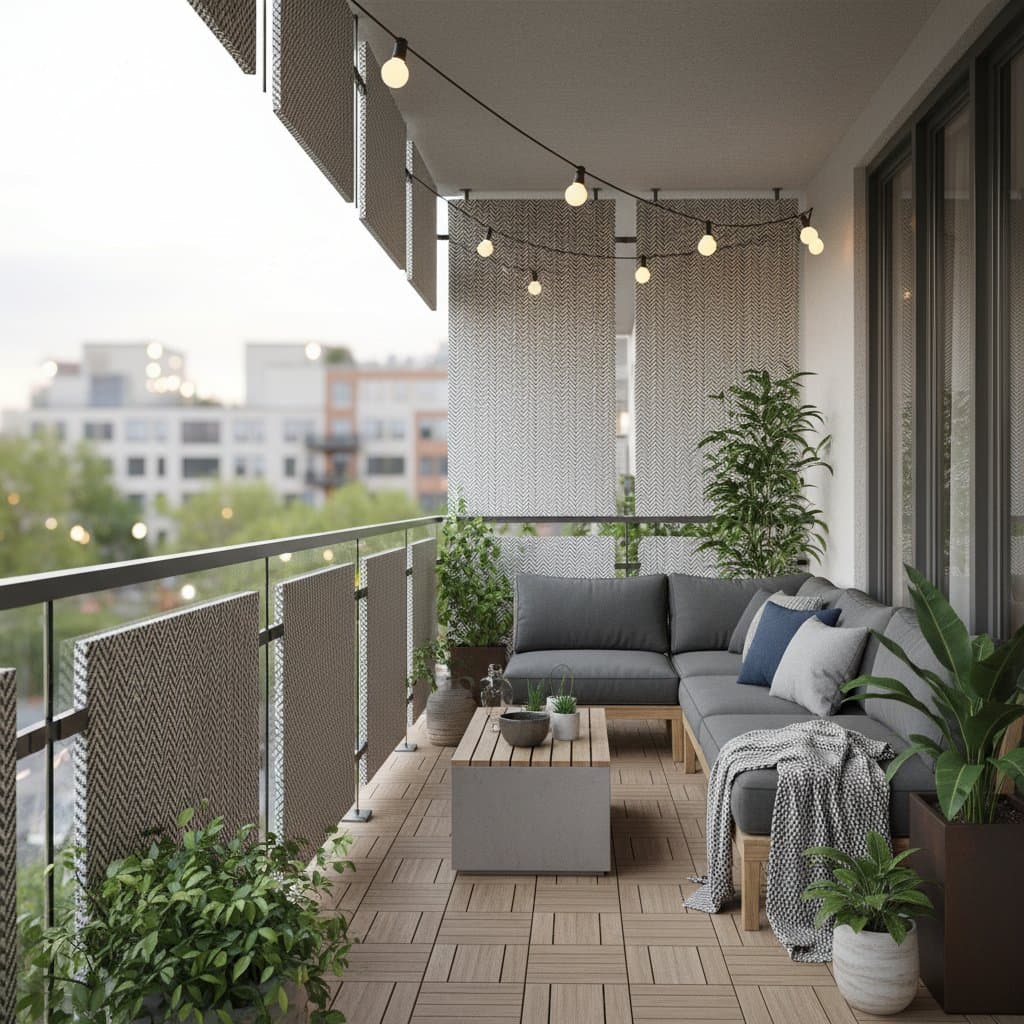
Step 6: Seal and Inspect
After mounting the panels, apply a thin line of clear sealant along the edges where panels contact walls or railings. This step prevents moisture accumulation behind the panels and strengthens the overall bond.
Gently tap each panel to verify its stability. Tighten any brackets if movement occurs.
Step 7: Test the Sound Change
Step back from the installation, close the balcony door, and listen carefully. The reduction in noise should become apparent right away. Street sounds persist, yet echoes and high-pitched tones diminish noticeably. Consider adding more panels if further improvement proves necessary.
Safety Tips
Wear gloves at all times when handling mineral wool or fiberglass panels, as the fibers may irritate the skin.
Ensure panels do not obstruct ventilation vents or drainage channels, since trapped moisture leads to mold growth.
Maintain a minimum distance of 6 inches (15 centimeters) between panels and any open flames or heaters.
In regions prone to strong winds, reinforce the mounting hardware or incorporate small cables to secure panels firmly.
Refrain from installing panels over electrical outlets or lighting cables until wiring receives a thorough inspection.
Troubleshooting
Problem: Panels loosen or sag following rain.
Cause: Moisture infiltration or inadequate anchors.
Fix: Substitute anchors with heavy-duty options designed for outdoor environments. Insert washers between screws and brackets to better distribute the load.
Problem: Mold appears on panel edges.
Cause: Insufficient airflow or improper drainage.
Fix: Detach the affected panels, clean them using a diluted vinegar solution, and allow complete drying. Enhance ventilation by increasing the space between panels and the wall.
Problem: Noise remains intrusive.
Cause: Sound penetration from overhead or below.
Fix: Install additional panels on the ceiling or place an outdoor rug to capture reflections from the floor. A modest rug or patch of artificial turf effectively absorbs midrange frequencies.
Problem: Fabric fades over time.
Cause: Prolonged exposure to sunlight.
Fix: Select fabrics with UV resistance or apply a spray-on protector. Rewrap panels every few seasons to restore their appearance.
Budget and Time Considerations
For a balcony spanning approximately 40 square feet (3.7 square meters), plan for 5 to 7 panels. The total expense ranges from $250 to $600, encompassing all necessary hardware.
One individual completes the installation in two to four hours, contingent upon wall composition and panel dimensions. Professional assistance incurs labor fees of $150 to $300.
To minimize costs:
- Opt for foam panels certified for outdoor durability rather than bespoke fabric-wrapped varieties.
- Attach panels to removable frames constructed from treated wood or PVC, enabling indoor storage during harsh weather.
- Integrate existing balcony elements, such as a vertical garden frame, to serve as a base for thin acoustic mats.
Prioritize robust weatherproofing. Indoor-rated panels deteriorate rapidly in outdoor conditions.
Maintenance Guidelines
Perform cleaning on panels every few months. Employ a soft brush or a vacuum equipped with a brush attachment to eliminate dust. For fabric-covered surfaces, wipe gently with mild soap and water. Refrain from excessive wetting, which compromises adhesive integrity.
Examine mounting hardware biannually. Secure any loose screws and replace corroded anchors promptly. Substitute only the damaged panels if crumbling or discoloration appears. Well-maintained panels endure five to seven seasons when shielded from moisture and direct sun.
Store unused panels flat in an indoor location. Position them away from heat sources and avoid stacking heavy items atop them.
Smart Storage Strategies
In buildings enforcing seasonal balcony restrictions, opt for removable setups. Construct a lightweight frame using 1-inch (2.5-centimeter) PVC pipes or aluminum tubing. Secure panels to this frame via zip ties or clips for quick disassembly.
When storing, position panels upright in a closet or beneath a bed. Encase them in plastic sheeting to ward off dust accumulation.
Renters benefit from adhesive-backed Velcro strips or command hooks for lightweight foam panels, eliminating the need for drilling. Test adhesion on a single panel initially to assess compatibility with the wall surface.
Seasonal Maintenance Reminders
- Spring: Remove winter buildup through thorough cleaning. Assess for water damage and reapply sealant to edges.
- Summer: Monitor hardware amid high humidity. Introduce additional gaps between panels to promote airflow if condensation forms.
- Fall: Clear leaves and debris from behind panels to prevent blockages.
- Winter: Dismantle non-freeze-rated panels for indoor storage. Cover exposed brackets with tape or plastic to inhibit rust formation.
Routine seasonal inspections preserve the setup's integrity and maintain panel aesthetics.
When Professional Assistance Benefits
For concrete or brick balcony walls, enlist a handyman or acoustic specialist if drilling raises concerns. Pose these questions:
- Which anchor type best matches my wall material?
- What spacing optimizes sound absorption?
- Will you measure sound levels pre- and post-installation?
Professionals craft custom weatherproof panels aligned with your aesthetic preferences. Rates typically range from $50 to $100 per hour, with minor projects requiring one to two hours.
Seek expert input also for buildings with stringent exterior guidelines. They assist in developing a plan that satisfies management requirements.
Building Lasting Serenity
Each acoustic panel contributes to a quieter balcony environment, softening urban sounds and reducing internal echoes. Regular maintenance safeguards this investment, ensuring the space remains a serene extension of your home. With thoughtful setup and care, enjoy extended moments of tranquility amid city life.