
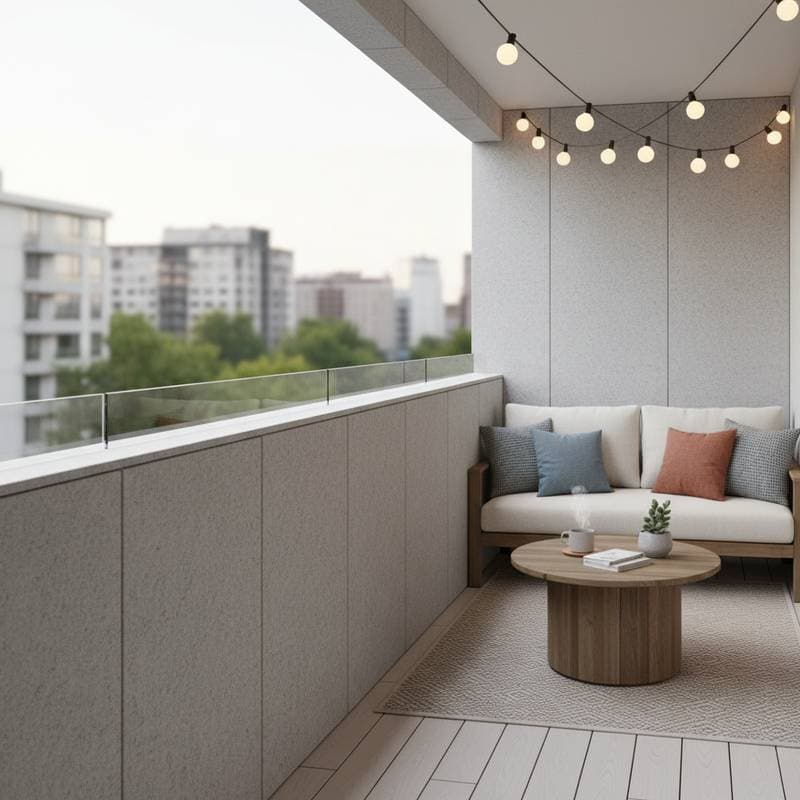
Introduction to Acoustic Panels for Balconies
Urban living often brings constant noise from traffic, neighbors, and city bustle, turning balconies into less enjoyable spaces. Acoustic panels offer an effective solution by absorbing sound waves and creating a quieter environment. These panels can reduce noise penetration by up to 60 percent, allowing you to relax without disturbance.
Selecting the right panels involves considering factors such as material density, size, and weather resistance. High-density foam or fabric-wrapped fiberglass cores provide superior sound absorption. For balconies, choose panels rated for outdoor use to withstand moisture and UV exposure.
Choosing the Right Materials
Acoustic panels come in various forms, but outdoor-specific options perform best. Opt for panels with a core of open-cell foam or mineral wool, encased in water-repellent fabric or vinyl. These materials trap sound frequencies between 500 and 2000 hertz, common in urban noise.
Measure your balcony dimensions first. Standard panels measure 24 by 48 inches, but custom sizes fit irregular spaces. Ensure the panels weigh no more than 20 pounds each for safe handling. Look for products with a noise reduction coefficient of at least 0.8 to achieve the 60 percent reduction goal.
Essential Tools for Installation
Gather these tools before starting: a tape measure for precise sizing, a drill with masonry bits for concrete surfaces, screws or clips compatible with your railing material, and a level to ensure even placement. You will also need outdoor-rated sealant, wire ties, and rubber washers to secure components.
Work gloves protect your hands from sharp edges, while safety glasses shield your eyes from dust. A step ladder provides stable access to higher areas. With these items ready, installation proceeds smoothly and safely.
Step-by-Step Installation Guide
Begin by planning the layout. Identify the noisiest sides of your balcony, such as those facing streets or adjacent buildings. Position panels along railings or walls to form a barrier, leaving space for airflow.
-
Prepare the surface. Clean the installation area with mild soap and water. Dry thoroughly to ensure strong adhesion. Remove any loose debris or rust from metal railings.
-
Measure and mark. Use a tape measure to determine panel positions. Mark spots for brackets or clips every 16 inches along the railing or wall. Double-check measurements to avoid gaps.
-
Attach brackets. Drill pilot holes if working with concrete or wood. Secure brackets using corrosion-resistant screws. Space them evenly to support the panel weight without sagging.
-
Position panels. Lift each panel into place, aligning it with the brackets. Slide or hook it onto the supports, ensuring full contact without forcing.
-
Secure panels. Clip or tie them firmly in place. Verify even height using a level tool. Tug lightly on each panel to confirm stability against wind or movement.
-
Seal edges. For areas with high rain exposure, apply a thin bead of clear outdoor sealant along the top seams. This step prevents moisture ingress and prolongs panel life.
Safety Tips During Installation
Avoid leaning over the balcony edge at any point to prevent falls. Handle panels individually if they weigh under 20 pounds to manage the load safely. When drilling into concrete, employ a masonry bit and cease once resistance builds to avoid structural damage.
Work during calm weather to minimize wind interference. If the balcony height exceeds 10 feet, enlist a partner for added security. Store tools away from edges to reduce accident risks.
Maintenance for Longevity
Clean panels every two weeks by wiping with a damp cloth and mild soap solution. Steer clear of harsh chemicals that degrade the acoustic foam. Examine brackets biannually for signs of rust or loose screws, tightening as necessary.
After heavy rain, allow water-absorbed panels to dry completely in a shaded area before reinstalling. Annual inspections help detect wear early. Proper care ensures panels maintain their sound-blocking efficiency for years.
Troubleshooting Common Issues
If noise persists despite installation, consider adding a second layer of panels or extending coverage to side walls. Even small gaps allow significant sound leakage, so inspect and seal them promptly.
For panels that rattle in windy conditions, tighten all fasteners and insert rubber washers between brackets and frames to dampen vibrations. Fading fabric on panels requires a yearly application of UV-protective spray to retain color and integrity.
Should panels shift over time, reinforce connections with additional ties. Persistent problems may indicate undersized panels; upgrade to thicker options for better performance.
Achieving Lasting Balcony Tranquility
Installing acoustic panels transforms your balcony without extensive renovations. Dedicate one afternoon to the process, starting with a single noisy wall to experience immediate benefits. Gradually expand as budget allows, incorporating plants or sheer curtains for enhanced softness.
Regular upkeep turns this space into a true private retreat. Enjoy reading, dining, or simply unwinding amid reduced city clamor. Your balcony now serves as an extension of your home, fully under your control.