
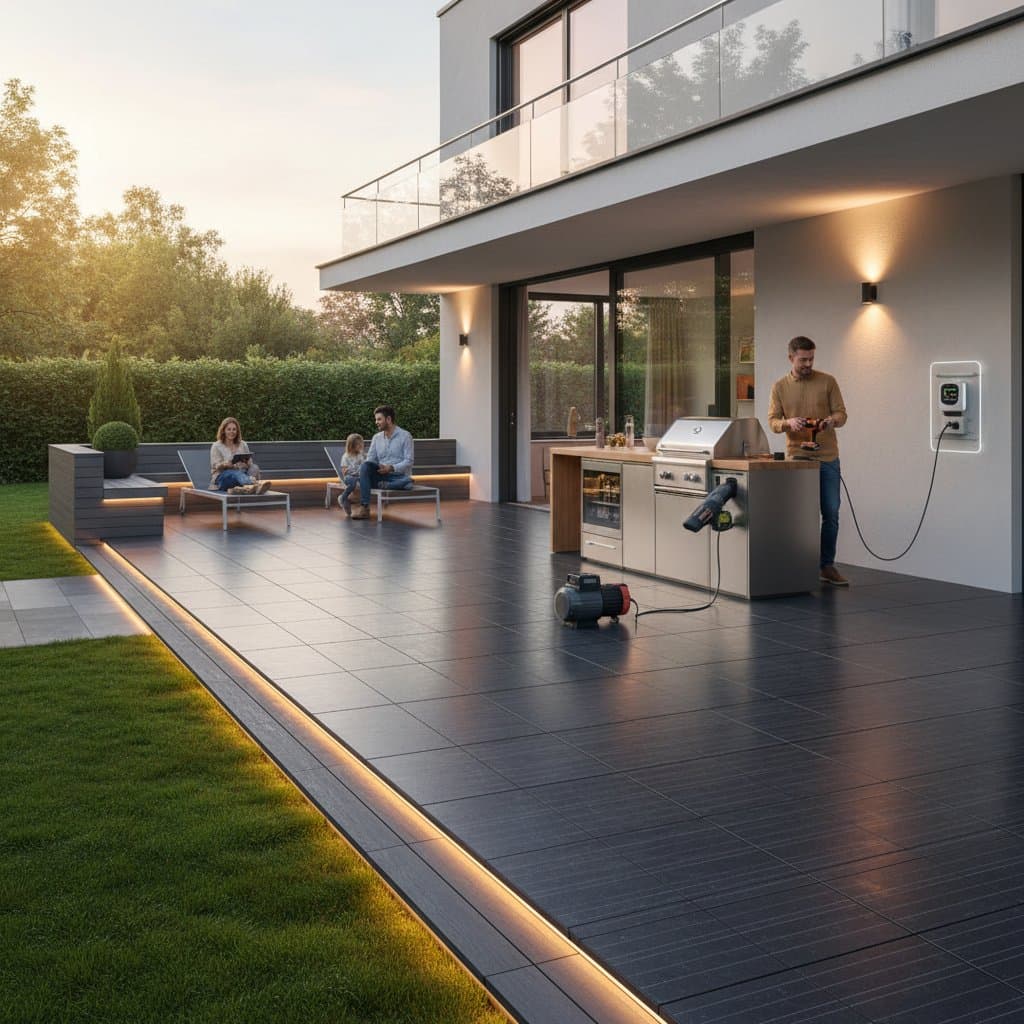
- Maintain dry conditions for all wiring until fully sealed; exposure to moisture risks short circuits and material degradation.
- Avoid modifying solar tiles by cutting or drilling, as such actions compromise the photovoltaic cells and void warranties.
- Rely exclusively on provided connectors; custom adaptations increase the potential for overheating and fire risks.
- Incorporate ground fault circuit interrupters (GFCIs) in areas near water sources to interrupt power during faults.
- Before maintenance, isolate the system by disconnecting or shading tiles to halt energy generation.
Additionally, position installations away from high-traffic zones where accidental damage might occur. Regular inspections help identify wear, ensuring the setup operates without interruptions.
Planning Your Budget and Timeline
Financial planning shapes the feasibility of a solar paver installation. Costs typically range from 7 to 10 dollars per watt for the complete system, encompassing pavers, wiring, and storage. For a 200-watt configuration covering a standard deck section, expect expenditures between 1,400 and 2,000 dollars. Professional labor, if engaged, adds 300 to 800 dollars, depending on complexity and location.
Timeline considerations depend on project scale. A 10-by-12-foot area suits a dedicated DIY enthusiast, requiring one full weekend with standard tools. Expansive layouts may demand three to four days, including curing times for sealants.
To manage expenses, consider phased approaches: install a core set of tiles linked to basic lighting and a compact battery, then scale up as budget allows. Prioritize investments in certified electrical components and robust weatherproofing, as these extend the system's durability and performance over years.
Adapting Maintenance to Seasonal Changes
Effective care preserves the efficiency and longevity of solar pavers. Tailor routines to environmental shifts for optimal output.
Spring Preparation
Inspect tiles for winter damage and clean surfaces to remove accumulated grime. Tighten connections and test voltage with a multimeter against initial specifications. A drop exceeding 10 percent often indicates dirt buildup; gentle washing restores performance.
Summer Optimization
Peak sunlight maximizes generation, but monitor storage units for overheating. Ensure adequate airflow around batteries to prevent capacity loss from thermal stress. Clear surrounding areas to avoid shading from overgrown plants.
Fall Cleanup
Debris like leaves poses risks of hotspots and reduced efficiency. Schedule weekly removals using soft brushes to protect the tile surfaces. Address any loose sealant promptly to maintain integrity.
Winter Protection
Snow and ice require careful handling; use plastic scrapers rather than metal tools to avoid scratches. Examine edges for frost indicators, which suggest seal failures needing immediate repair. Limit exposure by covering unused sections if heavy accumulation threatens stability.
Consistent maintenance not only sustains energy production but also safeguards the investment against premature wear.
Engaging Professionals for Complex Installations
While DIY options suit straightforward projects, certain scenarios necessitate expert involvement. Engage a licensed electrician for connections to the home's main panel, systems surpassing 300 watts, or instances of voltage inconsistencies and breaker issues.
Professionals verify grounding integrity, appropriate fuse ratings, and adherence to local codes. Request detailed reports for insurance purposes, as certified installations often qualify for coverage under renewable energy provisions. This step minimizes liabilities and ensures seamless integration with existing infrastructure.
Steps to Launch Your Solar Deck Project
Initiate the process by assessing your deck's sunlight exposure and energy needs. Sketch a layout prioritizing high-traffic areas for maximum coverage. Source materials from reputable suppliers, confirming compatibility.
Proceed with installation: level the base, lay pavers in a grid pattern, and route wiring discreetly. Test the full system post-setup, monitoring output over initial days. As the project activates, track savings and adjust usage to amplify benefits.
Ultimately, solar pavers deliver a harmonious blend of form and function, powering your outdoor lifestyle while contributing to environmental goals. This upgrade positions your deck as a cornerstone of sustainable living, ready to generate value with each sunrise.