
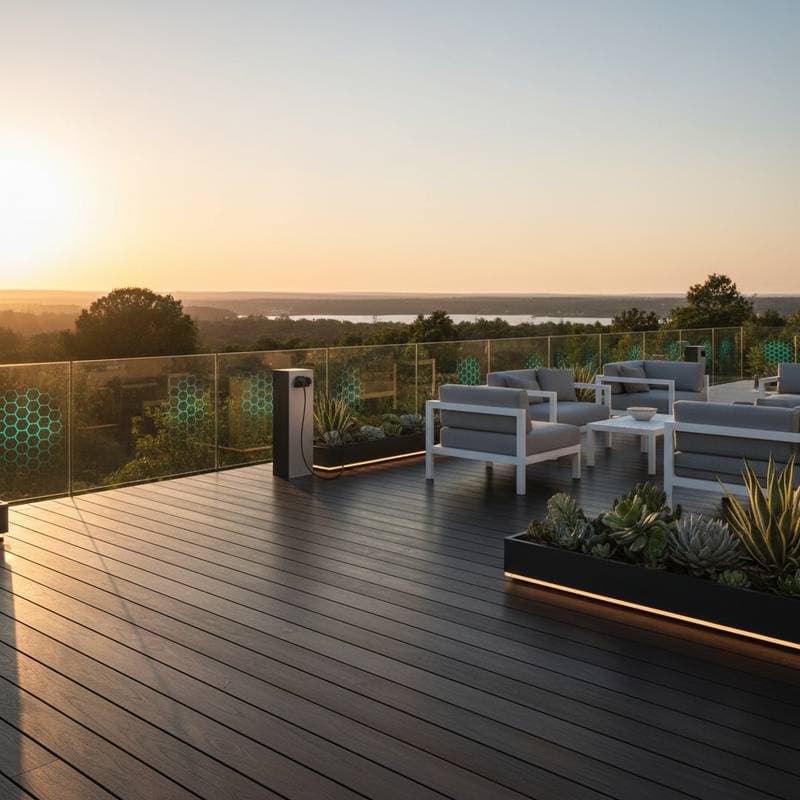
5. Test the System
After completing the wiring, verify the system's performance using a multimeter to measure voltage output. Expect a steady reading of at least 12 volts during peak sunlight hours. Activate connected lights or outlets to ensure electricity flows correctly without interruptions. Secure all wiring with appropriate clips and apply silicone sealant to any exposed conduit ends to protect against moisture.
6. Finish and Seal
Apply a continuous bead of high-quality outdoor sealant around each mounting point where screws penetrate the wood or composite decking material. This step prevents water from seeping into the structure over time. Finally, clean the glass panels using a soft microfiber cloth to eliminate fingerprints, dust, or installation residue, leaving the surfaces pristine and ready for use.
Troubleshooting Common Issues
Solar railing systems occasionally encounter problems that affect performance. Address these systematically to restore functionality quickly.
If the panels fail to generate power, begin with these checks:
- Loose Connectors: Examine every plug and connection at the junction box. Tighten loose fittings or re-crimp wires as necessary to ensure solid contact.
- Shading Obstructions: Partial shade from nearby furniture, plants, or umbrellas can reduce output by up to 50 percent. Relocate any blocking items to maximize sunlight exposure.
- Dirty Glass Surfaces: Accumulated dust, pollen, or bird droppings can diminish efficiency by 10 to 15 percent. Gently clean the panels with a solution of mild soap and lukewarm water, then rinse thoroughly.
- Faulty Inverter: Measure voltage input and output across the inverter using your multimeter. If the output falls to zero while input remains stable, replace the inverter promptly to avoid downtime.
- Blown Fuses: Many systems incorporate inline fuses for protection. Inspect and replace any blown fuse with an identical amperage rating to match the system's specifications.
Persistent issues, such as frequent breaker trips, may signal a ground fault or short circuit. In these cases, consult a licensed electrician to diagnose and resolve the problem safely.
Ongoing Maintenance Practices
Installed solar railings require minimal upkeep to sustain optimal performance over decades. Focus on routine cleaning and inspections to extend the system's lifespan.
Keep the panels free from dirt, leaves, and debris that could block sunlight. Every season, inspect mounting hardware for looseness and tighten as needed to maintain structural integrity. Clean the glass surfaces approximately four times annually using a soft sponge and mild detergent; rinse well and avoid abrasive materials that might cause scratches.
Following severe weather events, examine the wiring for damage. Check clamps for security and scan connectors for corrosion signs, such as discoloration or pitting. Tighten any loose conduit fittings immediately. With proper care, these systems retain over 80 percent of their original output capacity after 20 years.
For setups incorporating battery packs to power nighttime features, position the unit in a shaded, well-ventilated location to prevent overheating. Monitor the battery charge level every few months using a dedicated tester. Replace batteries once they reach the end of their specified cycle life, typically 500 to 1000 charges, to preserve storage efficiency.
Integrating Smart Storage Solutions
Enhance your deck's functionality by incorporating organized storage for electrical components, ensuring a tidy and safe environment.
- Install weatherproof storage boxes beneath built-in benches to house small batteries or inverters, protecting them from the elements.
- Route concealed conduits along the underside of deck joists rather than across walking surfaces, minimizing trip risks and preserving aesthetics.
- Position clearly labeled switches adjacent to the entry door, allowing independent control of deck lighting without affecting indoor electrical circuits.
- Embed USB charging outlets in sheltered corners of the deck, providing convenient power for devices while maintaining the sleek appearance of the glass railings.
These practical additions complement the modern design of solar railings, blending utility with visual appeal.
Expert Recommendations for Optimal Results
Achieve the best performance from your solar railings by following these targeted strategies during planning and use.
- Select Panels to Complement Your Deck Aesthetic: Opt for clear glass panels in contemporary settings or tinted versions to minimize glare and heat in sunnier climates.
- Optimize Panel Orientation: Adjust the mounting angle by about 10 degrees toward the south (in the Northern Hemisphere) to capture more direct sunlight throughout the day.
- Pair with Complementary Solar Features: Connect the railing system to power solar-powered post cap lights or pathway illuminators, creating a unified energy-efficient setup.
- Safeguard Wiring from Pets and Pests: Encase exposed cables in durable metal conduit, particularly in pet-friendly areas, to prevent chewing or damage.
- Implement Clear Labeling: Mark every electrical connection with weather-resistant tags during installation, simplifying future inspections and repairs.
Dedicate a few hours each season to these maintenance tasks. Such proactive measures ensure consistent energy production and long-term reliability.
Implementing Your Solar Railing Project
If committing to a full installation feels overwhelming, begin modestly by outfitting one or two railing sections on the most sun-exposed side of your deck. Monitor energy generation with an affordable plug-in meter to gauge real-world output and refine your approach.
Each added panel contributes to greater energy independence and elevates the deck's overall design. Gradually, your outdoor space evolves into a serene haven that harnesses sunlight effectively. Recline in comfort, enjoy a refreshing beverage, and appreciate how your deck now contributes to sustainable living effortlessly.