
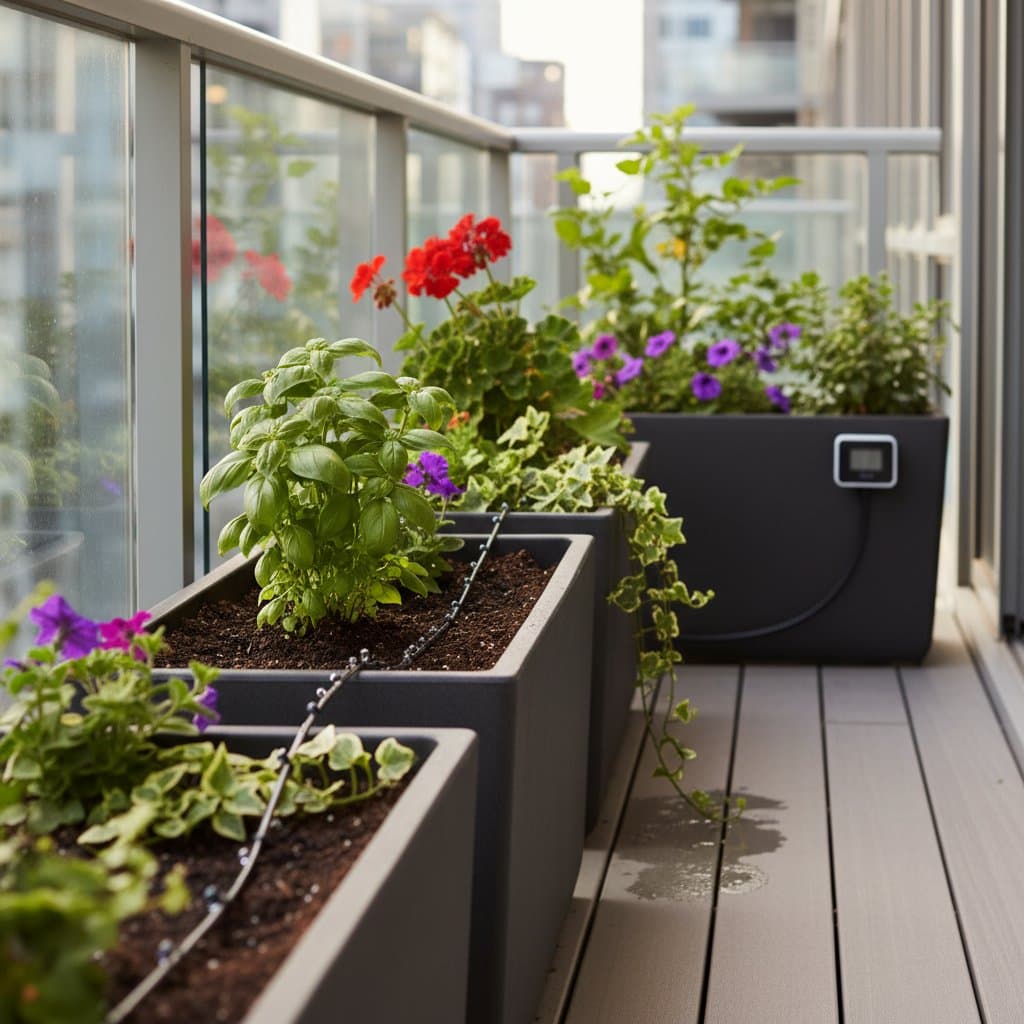
Introduction to Micro-Drip Tape Systems
Balcony gardening offers urban dwellers a connection to nature, but consistent watering poses a challenge in limited spaces. Micro-drip tape systems address this by providing targeted, steady moisture directly to plant roots. These setups mimic natural irrigation, reducing evaporation and ensuring plants receive what they need without overflow or waste.
Such systems prove ideal for balconies with potted herbs, vegetables, or flowers. They operate at low pressure, using flexible tape embedded with small emitters that release water slowly. Homeowners gain freedom from routine checks, allowing vacations or busy schedules without plant stress.
Benefits of Automated Balcony Irrigation
Micro-drip tape conserves water by delivering it precisely where required, often using 30 to 50 percent less than traditional methods. Plants experience reduced stress from dry spells or overwatering, leading to healthier growth and higher yields in edible gardens. Installation fits small spaces, with components that coil neatly when not in use.
Time savings become evident quickly; a system runs on a timer, automating the process entirely. This reliability supports year-round gardening, even in variable urban climates. Overall, the approach transforms maintenance into a background task, fostering enjoyment over obligation.
Planning Your Balcony Setup
Assess the layout before purchasing materials. Measure the balcony's dimensions and note the positions of planters, pots, or raised beds. Identify the nearest outdoor faucet or hose connection point, ensuring access for the main line.
List plant types and their water needs; for instance, tomatoes require more frequent drips than succulents. Calculate tape length by adding the distances between plants, allowing extra for curves and connections. Consider sunlight exposure, as UV rays degrade materials over time.
Select components based on scale: a basic kit includes tape, a filter to prevent debris, a pressure regulator to maintain safe flow, and connectors. For automation, add a battery-operated timer that programs intervals like 20 minutes every other day.
Step-by-Step Installation Guide
Gather tools such as pruning shears for cutting tape, Teflon tape for fittings, and stakes to secure lines along planters. Begin by attaching the pressure regulator and filter to the faucet end of the supply hose. Connect the micro-drip tape to this assembly using barbed fittings, ensuring a snug seal.
Lay the tape along the base of plants, following the root zones without kinking. Punch holes if needed for side branches to reach multiple pots. Secure the tape with landscape pins or weights to prevent shifting from wind.
Install the timer between the faucet and regulator for control. Test the system by turning on the water briefly; observe even distribution from emitters spaced every 6 to 12 inches. Adjust flow rates if emitters produce drops too quickly or slowly.
Safety Considerations During Setup
Wear protective gloves when handling sharp tools or cutting tubing to avoid injuries. Avoid using indoor faucets without a suitable outdoor adapter to prevent water damage or electrical hazards. Position components away from edges to minimize fall risks on elevated balconies.
Keep children and pets at a distance during assembly and initial testing phases. After setup, ensure all connections remain stable to avoid leaks that could create slippery surfaces.
Addressing Common Issues
Uneven Water Distribution
Inspect the tape path if plants receive inconsistent moisture. Long runs or uphill slopes reduce pressure at the end; shorten sections or reposition for level flow. Verify the pressure regulator functions correctly to maintain uniform output.
Emitter Blockages
Clogs arise from mineral buildup or soil particles. Flush the system monthly by removing end caps and running water for two minutes at full pressure. Soak stubborn sections in a vinegar solution overnight if needed, then rinse thoroughly.
Leak Detection and Repair
Locate leaks from cracks or loose joints by running the system and tracing wet spots. Cut out damaged tape segments and insert splice connectors for seamless repairs. Tighten all fittings periodically to prevent gradual drips.
Low Water Flow
Examine the filter and pressure reducer for debris accumulation, which restricts supply. Clean these components under running water and reattach securely. Replace the filter annually or if flow remains weak after cleaning.
Cost Breakdown and Time Investment
A starter system for a typical 10-foot balcony setup costs between 40 and 60 dollars, including a timer for automated operation. Omit the timer to reduce expenses to around 25 dollars, relying on manual valve control. Prices vary with tape length; purchase in 50-foot rolls for flexibility.
Timers range from basic mechanical models at 15 dollars to digital ones with weather-based adjustments at 30 dollars. Expect 1 to 2 hours for installation once materials arrive, with planning adding another 30 minutes. Long-term savings come from water bills and preserved plants.
Ongoing Care and Upkeep
Weekly inspections reveal early signs of wear, such as loose fittings or visible clogs. Tighten connections and clear debris promptly to sustain performance. Monthly filter cleaning prevents broader system failures.
Sun exposure hardens tape over seasons; inspect for brittleness and replace affected sections every two to three years. Store unused portions coiled in a shaded, indoor area to prolong usability. Adjust watering schedules seasonally, increasing frequency during heatwaves.
Preparing for Seasonal Changes
As temperatures drop, disconnect the system from the water source and drain all lines completely to prevent freezing damage. Hang tape sections to air dry, then store in a protected, dry location like a garage or closet.
In summer, monitor for algae in standing water residues; flush lines with fresh water weekly if green buildup appears. For crop rotation, label each tape line with plant varieties to recall specific needs, such as deeper watering for root vegetables.
Steps to Get Started Today
- Measure your balcony space and inventory existing planters.
- Purchase a basic kit containing tape, filter, pressure reducer, and connectors.
- Install the timer for hands-off operation, programming it to match your plants' requirements.
Enjoying a Thriving Balcony Oasis
With a micro-drip tape system in place, your balcony garden flourishes independently. Plants stay hydrated and vibrant, freeing you to savor outdoor moments rather than manage chores. This setup not only simplifies care but also enhances sustainability in urban living, yielding fresh produce and beauty with lasting efficiency.