
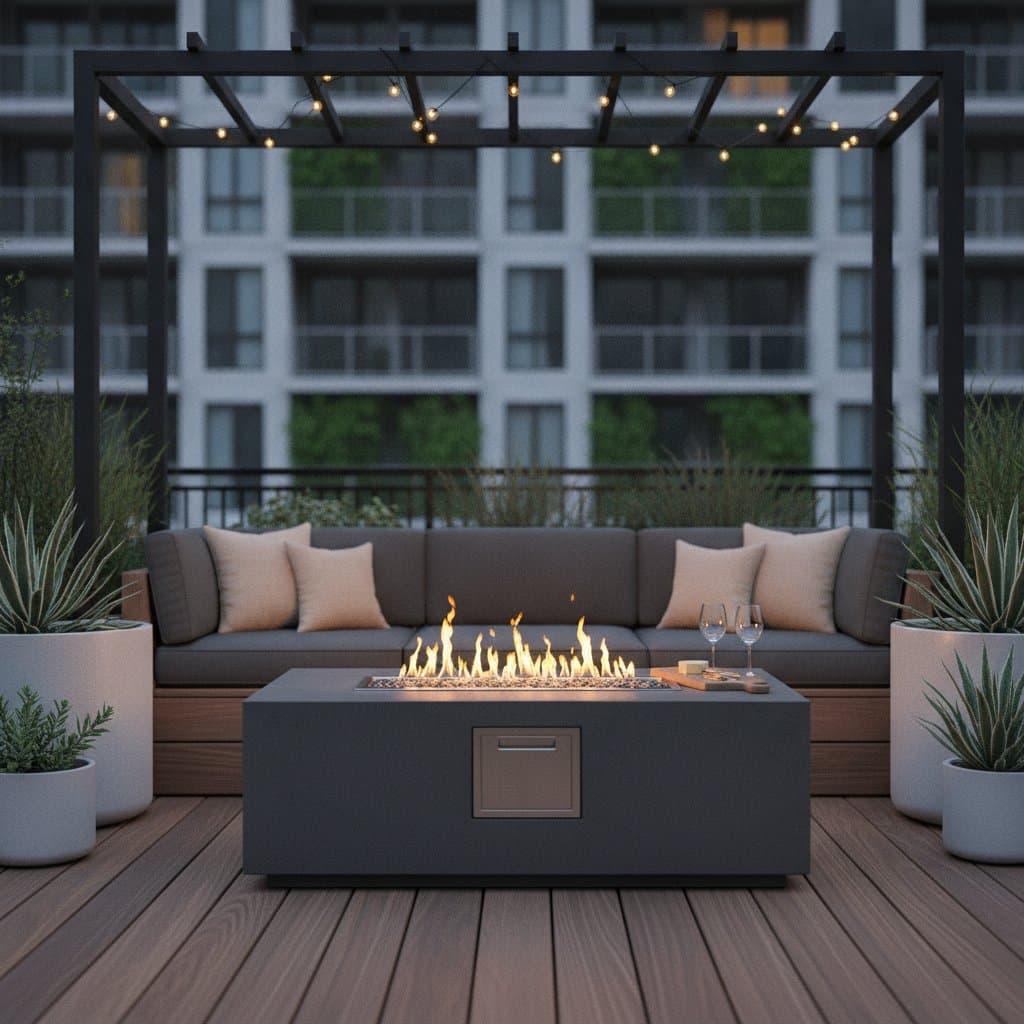
Why Fire Tables Are Replacing Fire Pits in Small Yards
Outdoor spaces in cities often feel constrained. Residents still seek warmth and a focal point for gatherings. Traditional fire pits occupy valuable ground area and require extensive clearance zones. Fire tables address these limits by integrating a contained flame into a functional furniture piece.
This guide covers the advantages of fire tables for compact yards. It details selection criteria, installation procedures, and ongoing care. Readers learn how fuel choices and design elements support safe, efficient use in urban settings.
Advantages for Urban Settings
Many city yards span less than 300 square feet and feature hard surfaces with nearby structures. Fire tables suit these conditions through controlled operation and multi purpose design.
Propane or natural gas models produce minimal smoke and particulates. Users avoid odors on nearby textiles and reduce eye irritation during use. Several units double as dining surfaces. A typical 42 inch model accommodates four people when the flame is off and a cover plate is in place.
The flame rests in a recessed metal pan filled with glass or ceramic media. Built in valves and guards contain heat effectively. Finishes such as powder coated steel or composite concrete complement modern patios and terraces.
Installation Steps
Select Placement
Identify a level area that maintains three feet of clearance from walls and two feet from seating. Verify local regulations for rooftop or balcony use. Remove overhead fabrics or plants that could pose risks.
Prepare the Base
Confirm the surface is stable. Insert shims under legs if the ground slopes more than one inch. An uneven base can distort flame distribution.
Attach Fuel Supply
Secure the hose to the tank. Apply a soapy solution to joints and watch for bubbles that indicate leaks. Tighten or replace fittings as needed. Never use an open flame for testing.
Distribute Media
Spread lava rock or fire glass one inch deep across the burner. Keep gas ports free of obstructions. This layer promotes even heat and protects internal components.
Ignite and Regulate
Open the valve slightly and activate the igniter. Observe for a consistent flame with blue bases and yellow tips. Adjust the knob to control height.
Shut Down Properly
Close the valve fully after each session. Allow 30 minutes for cooling before applying a cover. This prevents warping and moisture buildup.
Addressing Performance Issues
Weak flames often result from low fuel levels or blocked ports. Clean ports with a soft brush and confirm tank pressure. Sudden flame loss may stem from wind exposure. Relocate the unit or shield the intake area.
Failed ignition usually traces to a depleted battery. Replace it and test again. Persistent irregularities require professional inspection.
Routine Care
Perform monthly cleaning during regular use. Wipe metal and stone surfaces with mild soap. Rinse and dry completely. Remove media to inspect the burner for residue. Clear ports with a paper clip if needed. Tighten all connections and test for leaks.
Store the propane tank upright in a shaded spot during extended periods of nonuse. Disconnect it from the table first.
Storage Strategies
Fire tables already serve as central furniture. Additional measures maximize limited space. Select models with integrated tank compartments. Add waterproof bins beneath the table for supplies. Install nearby hooks for covers and accessories. Pair the table with stackable seating to reconfigure the area quickly.
Situations Requiring Experts
Engage a licensed technician for natural gas line connections. Seek help when gas odors persist or when installing on rooftops. Professional service verifies pressure settings and code compliance within about one hour.
Practical Benefits of Switching
Fire tables deliver warmth and surface utility in one unit. Clean fuel reduces maintenance and improves air quality around the seating area. Proper setup and care ensure reliable performance across seasons. The design supports flexible layouts that make small yards feel more open and inviting.