
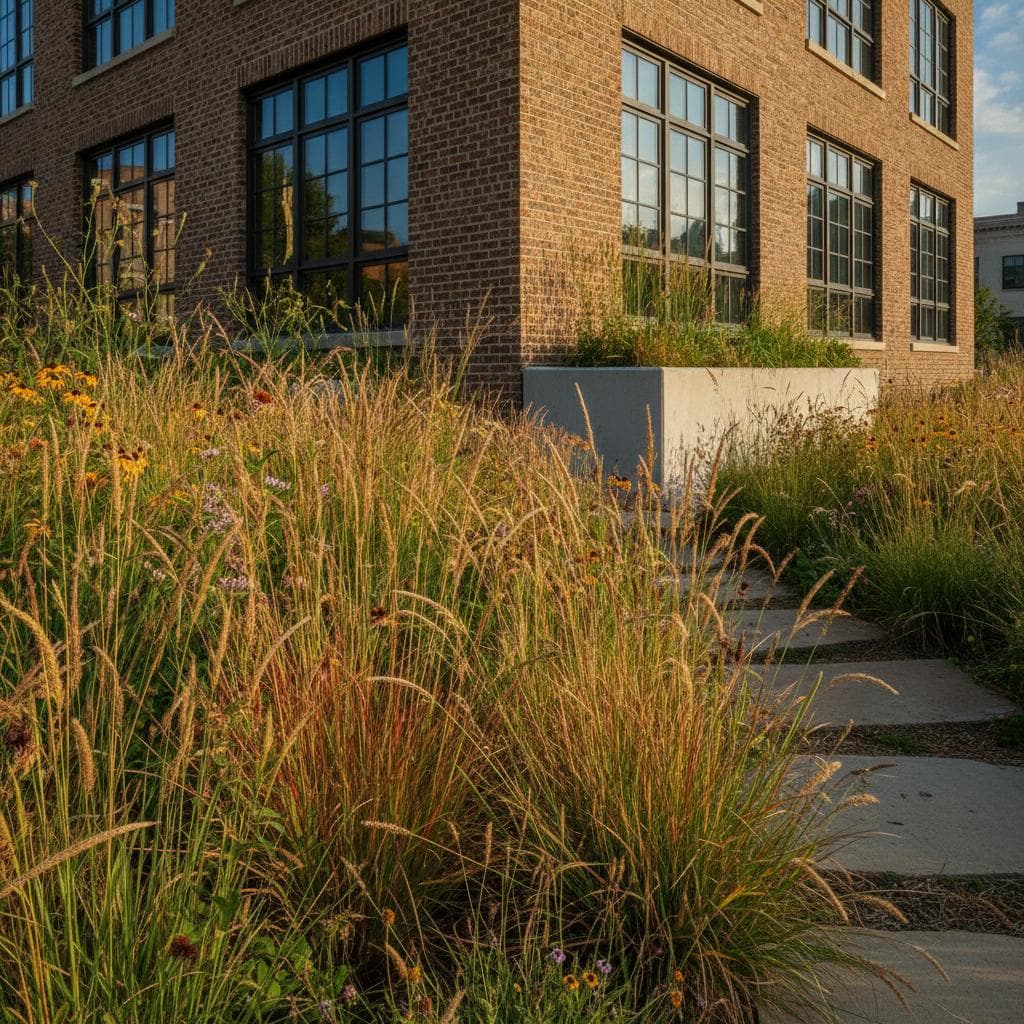
Native Grasses Turn Tiny Yards into Lush Micro-Meadows
A small city yard can feel like a patch of concrete and compromise. You may want green space but not the mowing, watering, or fertilizer that a traditional lawn demands. The good news is that native grasses can change that space into a soft, living micro-meadow that supports pollinators, holds moisture, and looks alive through every season.
The goal is to help you create a low-maintenance, high-reward yard that feels natural to your climate and kind to your schedule. You will learn what native grasses are, why they matter, and how to plant and care for a tiny meadow that fits right outside your door.
Overview and Benefits
A micro-meadow is a small planting area that mimics the structure of a natural meadow. Instead of a clipped lawn, it mixes native grasses with flowering plants that thrive in your region. The result is a textured, layered green space that moves with the wind and changes color through the year.
This approach matters for several reasons. Deep-rooted native grasses often need 60 to 80 percent less water than turf. Once established, most species need mowing once or twice a year, not weekly. Native grasses shelter insects, birds, and small wildlife that urban lawns often drive away. Dense roots add organic matter and prevent erosion. Soft motion, shifting colors, and natural rhythm make a small yard feel larger and more alive.
A landscape designer noted that even a six-by-six-foot patch can function like a meadow if it has the right plant mix and structure.
Tools and Materials
You do not need heavy equipment. A few hand tools and basic supplies are enough.
Tools include a spade or flat shovel for removing existing turf, a garden fork or trowel for loosening soil, a rake for leveling and seeding, and a watering can or hose with a gentle spray nozzle.
Materials include native grass plugs or seed mix matched to your region, where a 25-square-foot area needs about one ounce of seed. Compost provides light soil enrichment at about one inch deep across the bed. Mulch such as shredded leaves or straw protects new seed. Plant markers help track species during the first growing season.
Steps
Step 1: Assess Your Site
Watch how sunlight moves across your yard. Most meadow grasses like full sun, at least six hours a day. Note where water collects or drains quickly. This information will guide your species choice.
Step 2: Clear the Ground
Remove old turf or weeds to expose bare soil. You can dig by hand or smother the area under cardboard for two to three weeks before planting. Avoid chemical herbicides since they can linger in the soil.
Step 3: Loosen and Amend
Use a fork to loosen the top six inches of soil. Mix in compost to improve structure. Avoid over-fertilizing, which can make grasses too tall and floppy.
Step 4: Choose Native Species
Pick two or three bunchgrasses such as little bluestem, prairie dropseed, or switchgrass for structure. Add two or three flowering companions like black-eyed Susan, coneflower, or milkweed for color and habitat. Local nurseries often sell pre-mixed meadow blends.
Step 5: Plant or Seed
If using plugs, space them about 12 inches apart. For seed, sprinkle evenly then press gently into the soil with a rake or your hands. Do not bury the seed too deep. Most need light to germinate.
Step 6: Water and Protect
Water gently every few days until seedlings root, about three to four weeks. Spread a thin mulch layer to keep soil moist and discourage weeds.
Step 7: Let It Grow
During the first season, your meadow will look uneven. Resist trimming early. Most native grasses focus on root growth first. By the second season, the space fills out and forms a natural pattern.
Safety Tips
Wear gloves when handling compost or soil to avoid cuts or infection. Use knee pads or a low stool to protect joints while planting. Watch for bees when working near flowering plants. Move slowly to avoid stings.
Troubleshooting
Too many weeds require hand-pulling regularly during the first growing months. A dense meadow will shade them out later. Patchy growth calls for overseeding bare spots in early spring or fall. Press seed into moist soil. Plants that flop need cutting back to about 8 inches midseason. This encourages upright regrowth. Dry edges benefit from a border of gravel or groundcover to reduce heat reflection from pavement.
Maintenance and Storage
Once established, your micro-meadow needs little care. Mow or trim once a year to about 6 inches high. The best time is late winter when most seeds have dropped. Leave clippings to decompose and feed the soil. Avoid fertilizer unless plants look pale or thin. Store tools clean and dry. Wipe metal parts with a light coat of oil to prevent rust.
If you collect seed for next year, dry it in a paper bag and store it in a cool, dark place until replanting.
Budget and Time
A 25-square-foot micro-meadow started from plugs costs about fifty to eighty dollars. Using seed can reduce that to fifteen to thirty dollars. Compost and mulch add another ten to twenty dollars. Expect three to five hours for bed prep and planting. Watering and weeding take about fifteen minutes a week in the first season, then only an hour or two per month later. Compared to a lawn, you save both time and money after the first year.
Seasonal Reminders
In spring, overseed thin spots, check for drainage issues, and clear leftover straw or debris. In summer, water during dry spells about once a week if rainfall is low. Avoid cutting when temperatures soar.
When to Call a Pro
Consult experts for local seed sources, plant spacing for erosion control, and maintenance schedules based on your region.
Benefits of a Native Grass Meadow
Native grasses create a living, low-maintenance alternative to turf in small urban spaces. Deep roots reduce watering needs and improve soil health. A mix of grass and flowers builds beauty and biodiversity. Simple tools and a few hours of prep are enough to start a micro-meadow that lasts for years.
Begin Planting This Season
Measure your yard and mark a test patch about 4 by 6 feet. Visit a local nursery to identify three native grasses suited to your light and soil. Begin soil prep this weekend and plan to seed or plant when the forecast looks mild.