
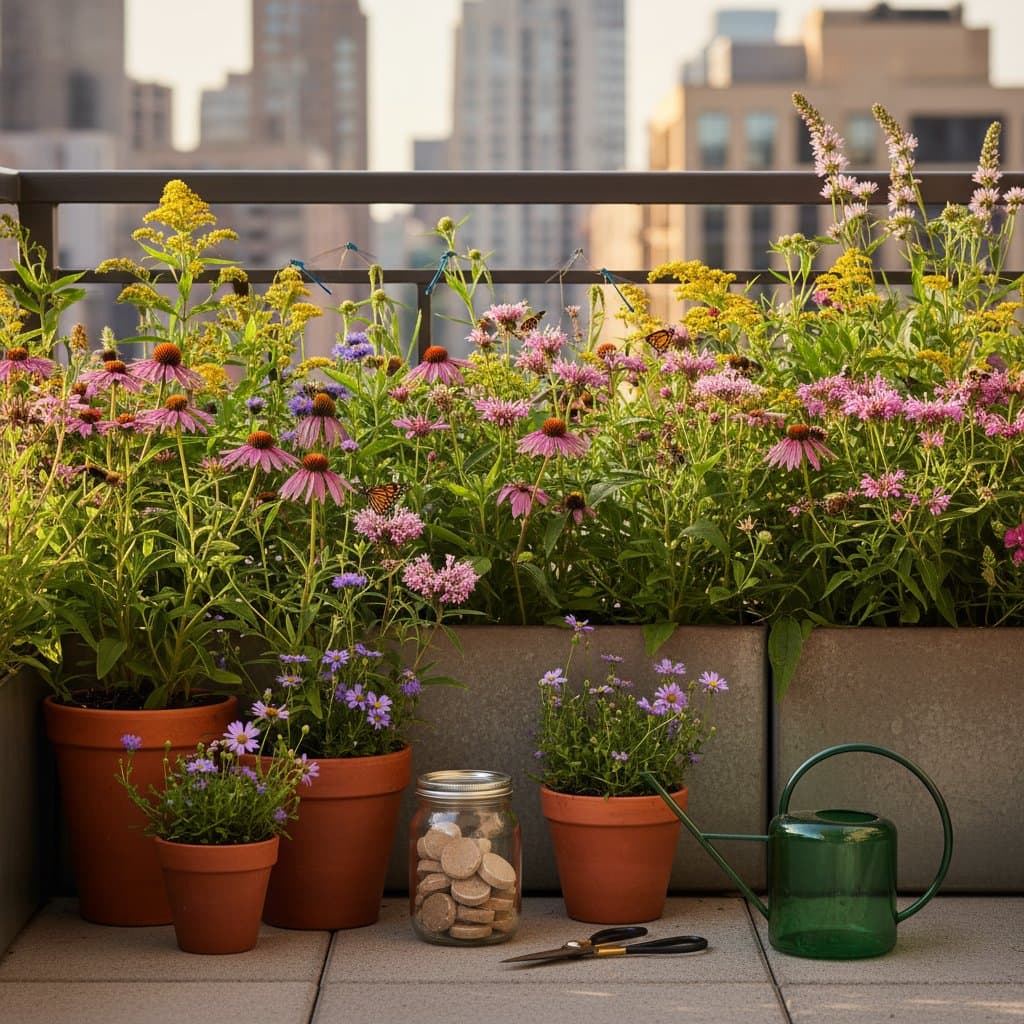
Why Wildflower Balconies Supercharge Urban Pollinators
Urban environments challenge pollinators like bees and butterflies with limited green spaces and pollution. Balconies offer a vital opportunity to create supportive habitats. By planting native wildflowers in containers, individuals can provide essential nectar and pollen sources, fostering biodiversity even in dense city settings.
These small-scale gardens enhance local ecosystems. Pollinators play a crucial role in food production and plant reproduction. A well-designed wildflower balcony attracts and sustains these insects, contributing to broader environmental health.
Benefits of Wildflower Balconies
Wildflower balconies deliver multiple advantages. They boost pollinator populations by offering safe foraging areas amid concrete landscapes. Residents gain aesthetic appeal, with colorful blooms adding vibrancy to urban views.
Such setups promote mental well-being. Tending to plants reduces stress and connects people to nature. Ecologically, these gardens support seed dispersal and reduce reliance on non-native species that may harm local wildlife.
Selecting Native Wildflowers
Choose plants adapted to your region for optimal results. Native species require less water and maintenance while providing the right food for local pollinators. Consult regional guides to identify bees and butterflies common in your area.
Aim for diversity in bloom times and colors. Early bloomers like violets sustain spring insects, while late-season asters feed fall visitors. Select perennials for longevity, supplemented by annuals for quick coverage.
Setting Up Your Balcony Garden
Begin with suitable containers. Use pots at least 12 inches deep to accommodate root growth, ensuring proper drainage holes to prevent waterlogging. Group containers to mimic natural clusters, which attract pollinators more effectively.
Fill pots with a mix of potting soil and compost. This combination retains moisture while allowing aeration. Position taller plants at the back or center to maximize sunlight exposure for all.
Plant seeds or plugs in spring or fall. Space them according to package instructions to avoid overcrowding. Water gently after planting to settle the soil.
Costs and Time Investment
Initial setup remains affordable. Expect total costs of $15 to $30.
- Seed packets or plugs: $20 to $40 depending on the mix.
- Miscellaneous tools: about $25.
Allocate 2 to 3 hours for initial setup and 15 minutes weekly for watering and upkeep. The garden becomes a self-sustaining feature that renews each season with minimal intervention.
Maintenance and Seasonal Care
Regular care ensures longevity. Water deeply but infrequently to encourage strong roots. Mulch surfaces to conserve moisture and suppress weeds.
Seasonal Reminders
In early spring, loosen the top inch of soil and remove debris. Add compost to refresh nutrients. Midseason, thin crowded plants to improve air flow and reduce disease risk.
In late fall, cut back only diseased material. Leave stems and seeds intact for overwintering insects and natural propagation. The balcony evolves from vibrant blooms to a resting phase, then returns to full color.
When to Call a Professional
Safety comes first in urban settings. If structural cracks appear, railings loosen, or heavy planters strain supports, notify your building manager or hire a licensed contractor.
For complex installations like electrical lighting or automated irrigation, engage a professional installer. Seek advice from local horticulturists or native plant societies for species suited to your specific microclimate.
Key Takeaways
- Small spaces matter. Even 10 square feet of flowers can nourish dozens of pollinators each day.
- Native plants excel. They align with the dietary and habitat preferences of local bees and butterflies.
- Diverse blooms ensure reliability. Combine various colors, heights, and flowering periods for consistent food availability.
- Healthy soil supports thriving insects. Steer clear of chemicals and maintain clear drainage.
Your Next Steps
- Measure your balcony sunlight. Track hours of direct sun and identify shaded areas.
- Select 3 to 5 native species compatible with your light conditions and container sizes.
- Plant and water immediately. Early action draws pollinators sooner.
A wildflower balcony extends beyond ornamentation. It forms a dynamic ecosystem linking you to nature's essential pollinators. Every flower cultivated aids a bee or butterfly in enduring urban pressures. This space serves as a haven for them and a source of tranquility for you.