
Loading...

Cool Permeable Decking: Combat Urban Heat and Flooding Effectively | Urban Outdoors - Small-Space Gardens, Rooftop Decks, Balconies, Decks, Backyard Design
Skip to main content
Urban Outdoors
Search
Home
  1. Home
  2. /
  3. Deck Construction & Remodeling
  4. /
  5. Cool Permeable Decks Beat Heat and Floods
Deck Construction & Remodeling

Cool Permeable Decks Beat Heat and Floods

byAnne Marion
2026-01-02 04:23:27January 2, 2026
6 min read
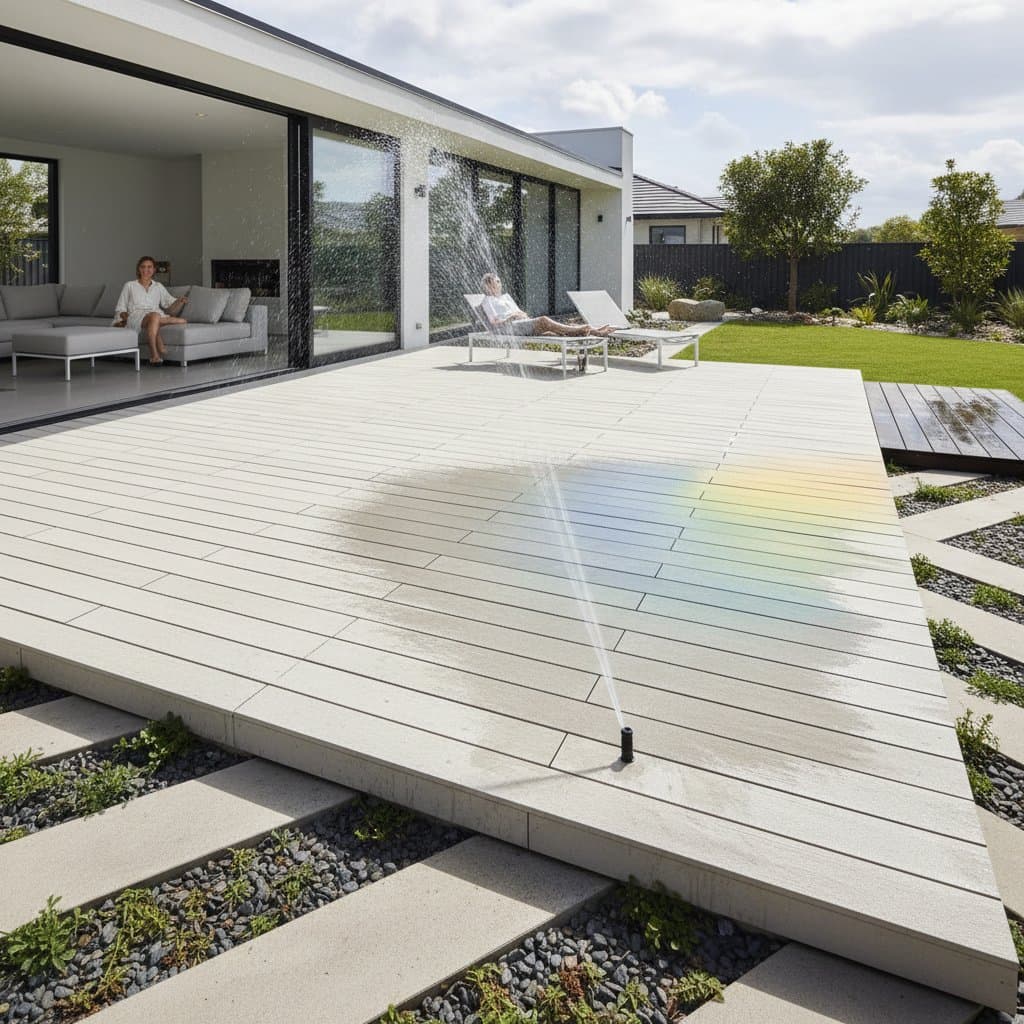
Featured image for Cool Permeable Decks Beat Heat and Floods

Categories

Navigation

  • Home
  • All Articles
  • About Us
  • Privacy Policy
  • Terms of Service

© 2026 Urban Outdoors. Crafted for bold city dwellers.

2026-01-04 03:47:40
Urban Outdoors - Small-Space Gardens, Rooftop Decks, Balconies, Decks, Backyard Design

6. Finish Edges and Test Drainage

Install trim boards or pavers around the perimeter to create a clean, finished appearance for the deck. Once the framing and surfacing are complete, perform a drainage test by pouring a bucket of water onto the surface. The water should percolate through the gaps rapidly without forming pools. If water remains on the surface, inspect the gaps for obstructions such as debris or sediment buildup, and identify any low areas that prevent proper flow.

To address minor issues during testing, level the surface slightly if needed by adjusting the supporting gravel base. This step ensures the deck functions as intended from the first use, promoting longevity and user satisfaction.

Troubleshooting Common Issues

Permeable decks offer durability, yet occasional problems may arise due to environmental factors or installation variables. The following guide addresses frequent concerns with clear causes and targeted solutions.

Problem: Water Pools Between Boards

This issue often stems from gaps clogged with leaves, dirt, or a thin layer of surface residue that impedes infiltration.

Solution: Employ a plastic scraper or a narrow-bristled brush to dislodge and remove the debris carefully. Follow up by rinsing the area thoroughly with a standard garden hose at low pressure. High-pressure washers can embed particles deeper into the joints, complicating future cleaning efforts. Regular vigilance prevents recurrence, especially in areas prone to leaf fall.

Problem: Deck Surface Feels Warmer Than Anticipated

Excessive heat can result from boards in dark hues that absorb sunlight or from insufficient airflow beneath the structure, trapping warm air.

Solution: Introduce shade elements such as retractable fabric covers or position light-colored, permeable rugs over high-traffic zones to reflect heat. Enhance under-deck ventilation by pruning nearby vegetation and ensuring at least six inches of clearance around the base. These adjustments can reduce surface temperatures by up to 20 degrees Fahrenheit on sunny days.

Problem: Uneven Settling or Sagging Boards

Instability typically occurs when the underlying gravel base lacks proper compaction or when heavy rains cause soil erosion beneath the foundation.

Solution: Identify and remove the affected boards to access the frame. Elevate the frame temporarily, then add and compact fresh gravel in layers of two inches each time until the base restores its firmness. Reinstall the boards securely, checking for level alignment. For extensive settling, consult local soil reports to understand erosion risks specific to your region.

Problem: Mold Growth or Persistent Odor Beneath the Deck

These signs indicate trapped moisture from inadequate drainage or restricted air circulation, creating a damp environment conducive to microbial growth.

Solution: Examine all drainage outlets and channels for blockages, clearing them with a gentle stream from a hose. Install small ventilation openings or a continuous weep channel along one edge to facilitate airflow. Apply a natural antimicrobial treatment, such as diluted vinegar, to affected areas if mold appears, while ensuring the solution does not clog permeable features.

Ongoing Maintenance Practices

Although permeable decks require less upkeep than traditional solid surfaces, consistent care preserves their performance and aesthetic appeal. Establish a quarterly routine that takes no more than 30 minutes to complete, focusing on prevention to avoid larger repairs.

Clear Debris Regularly

Remove accumulated leaves, pollen, and dirt from the board gaps using a soft broom or leaf blower on a low setting. After significant rainfall events, rinse the entire surface with a garden hose to flush out sediments. Refrain from applying sealants or coatings unless the manufacturer specifies a permeable formula, as these can reduce water infiltration rates over time.

Examine Structural Integrity

Inspect all fasteners, such as screws and hidden clips, for signs of rust, corrosion, or loosening that could compromise stability. Scan the deck for sagging sections or channels filled with silt, which signal potential drainage issues. Tighten any loose hardware promptly and replace damaged components to maintain even load distribution.

Restore Surface Condition

Treat stubborn stains with a solution of mild detergent mixed with water, applied via a soft-bristled brush in gentle circular motions. Steer clear of harsh chemicals like bleach or solvents, which may degrade composite materials and affect permeability. If drainage slows in certain spots, lift those boards to refill and compact the gravel sub-base, ensuring uniform support across the installation.

With diligent maintenance, these decks demonstrate remarkable resilience, often enduring 25 years or longer with only routine interventions. Homeowners report sustained comfort and reduced environmental impact, making the effort worthwhile for long-term outdoor enjoyment.

Engaging Professional Assistance

Certain scenarios demand expertise beyond DIY capabilities to ensure safety, compliance, and optimal results. Professionals bring specialized knowledge of local regulations and advanced techniques.

Seek a contractor in these cases:

  • The yard features a notable slope, complicating natural drainage paths and requiring precise grading calculations.
  • The deck integrates with municipal stormwater infrastructure, necessitating permits and engineering approvals.
  • Heavy loads, such as a hot tub or substantial outdoor furniture, demand reinforced framing to prevent structural failure.
  • Evidence of soil erosion or water redirecting toward the home foundation indicates underlying geotechnical challenges.

When selecting a professional, inquire about their track record with permeable installations and cool composite products. Request documentation of drainage performance tests from prior projects, particularly in comparable soil types. A qualified expert will discuss key elements like recommended slope percentages, required gravel depths for load-bearing, and optimal spacing for ventilation, providing transparency throughout the process.

Steps to Launch Your Project

Transition from planning to action with these structured steps to bring your permeable deck to life efficiently.

  1. Design the Layout: Sketch the proposed deck area, incorporating paths or adjacent patios to maximize space utilization.
  2. Select Appropriate Materials: Choose composite boards engineered for minimal heat retention, verified through product specifications for thermal performance.
  3. Assess Site Conditions: Evaluate the terrain slope and soil composition; aim for a subtle one percent grade to guide water away from structures naturally.
  4. Schedule the Build: Allocate a weekend for construction, enlisting one or two assistants, and organize all materials nearby to streamline the workflow.

By following this approach, you create an outdoor haven that withstands urban challenges, enhances comfort, and supports sustainable practices for years ahead.

You Might Also Like

Permeable Decking Drains Rain Through Your Deck Surface

Solar Pavers Turn Patios into Power Sources

Mycelium Decking: The Compostable Alternative to Wood

Mushroom Boards: Biodegradable Decking That Grows Itself

Solar Pavers Convert Steps and Sunlight Into Power

Tagged:

materials,flood prevention,prevention,decking,composite,permeable,flood,cool,permeable-decking,cool-composite-materials

Recent by Anne Marion

Image for Fire-Pit Decks with Seating Walls Work Year-Round

Fire-Pit Decks with Seating Walls Work Year-Round

Feb 14, 2026
Image for Permeable Decking Drains Rain Through Your Deck Surface

Permeable Decking Drains Rain Through Your Deck Surface

Feb 12, 2026
Image for Smart Irrigation Systems for Hands-Free Balcony Care

Smart Irrigation Systems for Hands-Free Balcony Care

Feb 12, 2026
Image for Solar Pergolas Turn Wasted Deck Space Into Power

Solar Pergolas Turn Wasted Deck Space Into Power

Feb 11, 2026
Image for Shade That Powers Your Rooftop Escape

Shade That Powers Your Rooftop Escape

Feb 11, 2026

materials

Image for Permeable Decking Drains Rain Through Your Deck Surface

Permeable Decking Drains Rain Through Your Deck Surface

Feb 12, 2026
Image for Mycelium Decking: The Compostable Alternative to Wood

Mycelium Decking: The Compostable Alternative to Wood

Feb 6, 2026
Image for Mushroom Boards: Biodegradable Decking That Grows Itself

Deck Construction & Remodeling

Shade Sails Drop Deck Temps 20° Without Electricity

Convert hot decks into comfortable outdoor areas using shade sails that lower surface temperatures by up to 20 degrees Fahrenheit without electricity. This guide covers planning, installation, and maintenance of these UV-resistant structures to achieve enduring comfort, contemporary design, and energy efficiency. Complete the project over a weekend for effective, electricity-free cooling and extended seasonal use.

Feb 13, 2026

Acoustic Panels Cut Deck Noise by 30 to 50 Percent

Create a tranquil outdoor space on your city deck or balcony using acoustic panels that absorb echoes and external noise. This comprehensive guide provides insights on materials, precise installation steps, safety measures, maintenance routines, and expert advice to achieve 30 to 50 percent noise reduction for enhanced privacy and comfort.

Feb 13, 2026

Permeable Decking Drains Rain Through Your Deck Surface

Permeable decking transforms rainy days into worry-free outdoor experiences. This advanced composite technology allows water to pass through the deck surface, preventing puddles, minimizing erosion, and enhancing safety. Delve into the materials, essential tools, and detailed installation process to create an enduring, environmentally conscious deck that withstands seasonal storms.

Categories

Deck Construction & Remodeling(172)
Balcony Design(157)
Small-Space Gardens(67)
Rooftop Decks(56)
Backyard Design(19)

Mushroom Boards: Biodegradable Decking That Grows Itself

Feb 4, 2026
Image for Solar Pavers Convert Steps and Sunlight Into Power

Solar Pavers Convert Steps and Sunlight Into Power

Feb 2, 2026
Image for Mycelium Boards Replace Wood in Sustainable Decking

Mycelium Boards Replace Wood in Sustainable Decking

Feb 1, 2026
Feb 12, 2026

Solar Pergolas Cut Energy Bills While Shading Your Deck

Elevate your deck with a solar pergola that delivers shade, produces renewable power, and trims energy expenses. This comprehensive resource details customization choices, step-by-step assembly, upkeep strategies, and investment breakdowns to foster sustainable, stylish living spaces while increasing property appeal.

Feb 12, 2026

Solar Pergolas Turn Wasted Deck Space Into Power

Convert your deck into a versatile, energy-generating oasis using a solar pergola. This innovative structure merges shaded comfort with solar power production, promoting sustainability while enhancing usability. Explore essential materials, step-by-step installation, cost estimates, and upkeep strategies for a robust system that boosts your home's efficiency, aesthetics, and self-sufficiency.

Feb 11, 2026

Micro-Clover Decks Cut Maintenance and Replace Wood

Frustrated with wood deck upkeep? Micro-clover decks provide a vibrant, living option for patios and rooftops. These sustainable surfaces remain cool, manage water effectively, and cost half as much as composites. Discover installation, care, and benefits for year-round use.

Feb 10, 2026

Solar Pavers Turn Patios into Power Sources

Solar pavers integrate photovoltaic technology into durable walking surfaces, generating electricity from sunlight to power lights or devices. This guide covers their functionality, essential materials, installation steps, and maintenance strategies to maximize energy output while preserving aesthetic appeal in patios and decks.

Feb 9, 2026

Misting Systems Drop Deck Temperature by 20°F

Convert your deck into a refreshing oasis using a misting system that lowers temperatures by as much as 20°F. This guide covers the mechanics, required tools, installation process, upkeep routines, and cost considerations to achieve efficient, outdoor cooling.

Feb 8, 2026

Auto-Water 50+ Deck Plants with One Afternoon Setup

Turn your deck into a vibrant, low-maintenance garden. Follow this step-by-step guide to install a micro drip irrigation system for more than 50 plants, covering essential tools, precise setup instructions, ongoing maintenance, and seasonal adjustments for year-round success.

Feb 8, 2026

Shade Sails Block 95% of UV Rays and Cool Decks 20°F

Convert a sun-exposed deck into a shaded oasis using UV-blocking shade sails. This comprehensive guide explains material selection, anchor installation, and upkeep routines to ensure durability and comfort. It includes planning strategies, essential tools, safety measures, and design ideas for an inviting outdoor environment.

Feb 7, 2026

Mycelium Decking: The Compostable Alternative to Wood

Mycelium decking, derived from fungal networks, transforms sustainable outdoor spaces. These boards provide the aesthetic appeal of wood with full biodegradability and low environmental impact. This guide details planning, building, and maintaining a deck that enhances your yard while supporting ecological responsibility.

Feb 6, 2026

Mushroom Boards: Biodegradable Decking That Grows Itself

Mycelium decking boards redefine sustainable outdoor living. Derived from fungal roots and agricultural waste, these boards provide strength, ease of installation, and complete biodegradability. Discover construction techniques, upkeep routines, and benefits for reducing environmental impact while enhancing your space.

Feb 4, 2026

Shade Sails Turn Hot Decks Into Cool Urban Retreats

Convert your sun-baked urban deck into a shaded, inviting oasis using shade sails. Explore expert advice on selecting durable UV-resistant materials, achieving stable installation, performing essential maintenance, and implementing budget-friendly approaches to create a comfortable outdoor environment throughout the seasons.

Feb 4, 2026

Acoustic Garden Pods Block Noise Without Losing Light

Convert your backyard into a serene professional haven with a soundproof deck office constructed from an acoustic garden pod. This comprehensive guide addresses design principles, essential materials, installation procedures, safety measures, and upkeep strategies. The result is a robust, weather-resistant workspace that excludes distractions and promotes productivity mere steps from your home.

Feb 3, 2026

Solar Drip Systems Keep Deck Gardens Watered Automatically

Elevate your deck gardening with solar-powered drip irrigation for precise, hands-free watering. This guide covers final setup steps, safety measures, common fixes, cost breakdowns, and year-round care to foster healthy plants with minimal intervention.

Feb 2, 2026

Solar Pavers Convert Steps and Sunlight Into Power

Elevate your outdoor paths with solar pavers that generate electricity from sunlight and movement. This comprehensive resource outlines functionality, step-by-step setup, budgeting, troubleshooting, and ways to apply the power for lighting or devices—all while promoting green living.

Feb 2, 2026

Glass Deck Floors That Skylight the Space Below

Elevate your deck design with glass floor panels that function as skylights, flooding lower areas with natural light while delivering a sleek, contemporary look. This resource provides in-depth coverage of benefits, essential materials, step-by-step installation, safety protocols, maintenance routines, and guidance on when to hire experts—all to optimize your outdoor environment for light, style, and longevity.

Feb 2, 2026

Mycelium Boards Replace Wood in Sustainable Decking

Mycelium decking redefines sustainable outdoor design with boards cultivated from fungal roots and agricultural waste. These lightweight, compostable planks match wood's strength while minimizing environmental impact. This guide covers planning, installation, and care for a resilient, green yard addition.

Feb 1, 2026

Cut Deck Noise with Acoustic Privacy Screens

Turn urban deck noise into peaceful quiet with acoustic privacy screens. Explore sound-blocking options, step-by-step installation, upkeep advice, and cost-effective choices for a more enjoyable outdoor space throughout the year.

Feb 1, 2026

Deck Benches That Turn Scraps Into Garden Soil

Convert your deck into an eco-friendly oasis with a composting bench that serves as both comfortable seating and efficient soil producer. This comprehensive guide details construction steps, material needs, troubleshooting, and seasonal care to minimize waste and maximize garden yields.

Jan 31, 2026