
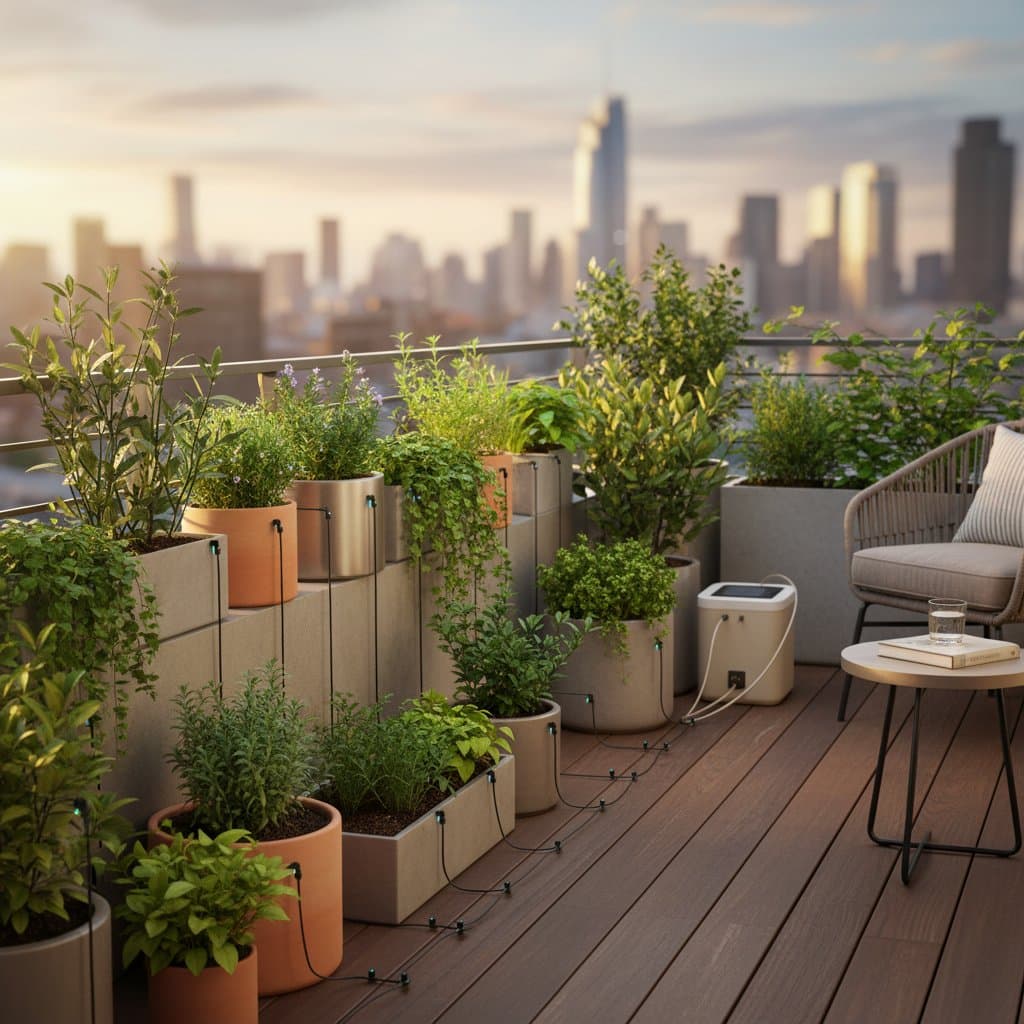
Drip Tape for Reliable Watering of Balcony Plants During Absences
Balcony gardens bring joy and greenery to urban living, yet absences such as vacations often lead to concerns about plant health. Leaves may wilt, and soil can dry out completely without consistent care. A drip tape system addresses this challenge by providing slow, targeted watering directly to the roots, ensuring plants remain hydrated and stress-free.
This setup requires minimal effort to install and operates efficiently, using less water than traditional methods. Gardeners can complete the installation in a single afternoon and return to thriving plants. The following sections detail the components, installation process, and ongoing care for a dependable balcony irrigation solution.
Understanding Drip Tape Systems
Drip tape consists of a flat, flexible tube embedded with small emitters spaced at regular intervals, typically every 6 to 12 inches. When attached to a water source, these emitters release water gradually into the soil, promoting deep root growth and reducing evaporation.
This method proves ideal for balcony environments due to its adaptability. The tape conforms to the contours of pots, troughs, or railing planters without occupying valuable space. It also allows precise control over water delivery, with flow rates often set at 0.5 gallons per hour per emitter, which conserves resources in water-restricted urban areas.
Automation enhances reliability; a basic timer activates the system at predetermined intervals, eliminating daily manual intervention. For balcony users, this creates a low-maintenance routine that sustains plant vitality during extended periods away from home.
Essential Tools and Materials
Assembling a compact drip tape system involves straightforward, readily available items. Local garden centers or hardware stores offer starter kits tailored for small-scale applications like balconies.
Gather these components:
- 25 to 50 feet of drip tape, selected based on total planter length
- One faucet adapter equipped with an inline filter and pressure regulator to maintain optimal flow
- A battery-operated or solar-powered timer for scheduling
- Four to six barbed connectors or elbows for joining tape sections
- Sharp garden shears or a utility knife for precise cuts
- Optional: A backflow preventer to safeguard the home water supply
Budget for a basic setup ranges from $25 to $60, varying by material quality and supplier. Investing in durable, UV-resistant tape extends the system's lifespan in outdoor conditions.
Installation Guide
Follow these steps to create an effective drip tape network. Begin with planning to ensure even coverage and avoid common pitfalls.
Step 1: Design the Layout
Assess the balcony by measuring each planter's dimensions and positions. Account for the spacing between pots to determine tape lengths. Draw a simple diagram marking emitter placements, aiming for one emitter per plant or every 8 to 12 inches in linear beds.
Limit individual tape runs to under 15 feet to preserve uniform pressure. This prevents weak flow at the ends and ensures all roots receive adequate moisture.
Step 2: Prepare the Water Connection
Attach the faucet adapter securely to the outdoor hose bib. Insert the pressure regulator next, calibrated to 10 to 30 PSI, followed by the filter to trap sediments that could block emitters.
Connect the timer to the end of this assembly. Position it in a sheltered spot to protect against weather exposure, and verify all seals are tight to prevent drips.
Step 3: Assemble the Tape Sections
Use shears to cut the drip tape into segments matching your layout. Insert each end into a barbed connector, twisting gently until secure. During assembly, orient emitters upward to avoid soil entry upon placement.
For branched setups, use T-fittings to divide flow among multiple planters. Test connections by hand to confirm they hold without tools.
Step 4: Position the Tape
Place the tape along the base of plants, either buried slightly in the soil or secured above with twist ties or clips spaced every 12 inches. In elevated railing planters, drape the tape to follow the container's edge.
Once positioned, rotate the tape so emitters face downward, directing water precisely into the root zone. Avoid sharp bends that could restrict flow.
Step 5: Verify Operation
Activate the water supply and observe the system for 5 to 10 minutes. Emitters should release steady drips without spraying or pooling. Fine-tune the pressure regulator if flow varies along the line.
Inspect for leaks at joints and adjust as needed. Run a full cycle to simulate normal use and confirm coverage across all areas.
Step 6: Configure the Timer
Set the timer for brief sessions, such as 5 minutes daily or 10 minutes every other day, depending on plant needs and climate. Monitor soil moisture for the first week and refine intervals to maintain consistent dampness without saturation.
Choose a timer with multiple daily options for flexibility in varying weather. Record successful settings for future reference.
Essential Safety Measures
Incorporate a backflow preventer at the faucet connection to comply with plumbing codes and prevent contamination of potable water. This device ensures one-way flow only.
Supervise the initial runs to detect any failures early. For high-rise balconies, install drip trays or saucers beneath pots to manage excess runoff and avoid inconveniencing those below.
Store spare parts nearby for quick repairs, and never leave the system running at full pressure without monitoring.
Common Issues and Solutions
Uneven watering often stems from clogged emitters. To resolve, detach the end cap and flush with a strong water stream for one minute, or use a soft brush for stubborn debris.
Pressure drops may occur in extended lines; shorten segments or add a secondary regulator. Kinks require straightening and repositioning with supports.
Timer malfunctions typically result from dead batteries or moisture ingress. Replace components promptly and clean ports regularly to sustain performance.
Ongoing Care and Seasonal Adjustments
Flush the entire system monthly by running plain water through it to dissolve mineral deposits. Inspect emitters biweekly, gently clearing any buildup with a pin.
When adding liquid fertilizers, follow with a rinse cycle to avoid residue accumulation. In winter, disassemble the setup, drain thoroughly, and store coiled tape in a frost-free area.
Drip tape typically endures two to three seasons with proper handling. Replace sections showing wear, such as cracks or faded emitters.
Cost and Effort Overview
Installation demands 1 to 2 hours for a standard balcony array. Annual maintenance involves about 10 minutes monthly, focusing on cleaning and testing.
Core elements like the timer and connectors offer longevity, often lasting several years with care. This investment yields reliable automation, saving time and water over manual methods.
Adapting for Seasons
In peak summer heat, extend watering duration slightly and inspect for evaporation losses. During cooler periods, reduce frequency to avert root rot from overwatering.
Prior to storage in freezing climates, confirm all water is expelled to prevent tube damage. Resume use in spring with a full flush and pressure check.
Professional Assistance Options
Most balcony systems require no expert help, but consult a local irrigation specialist if dealing with complex plumbing integrations or persistent low pressure. They can assess water quality issues or recommend custom fittings for unique setups.
Seek advice from garden centers for region-specific adaptations, such as wind-resistant mounting in exposed areas.
Building a Resilient Balcony Garden
A drip tape system transforms occasional worries into confident departures. Plants receive precise hydration, fostering robust growth year-round.
Start small by equipping one planter, then expand as familiarity grows. This approach not only protects your greenery but also encourages sustainable urban gardening practices.
Quick Implementation Plan
- Measure planters and acquire materials this week.
- Install and test on a single section over the weekend.
- Monitor for adjustments, then automate fully before your next trip.