
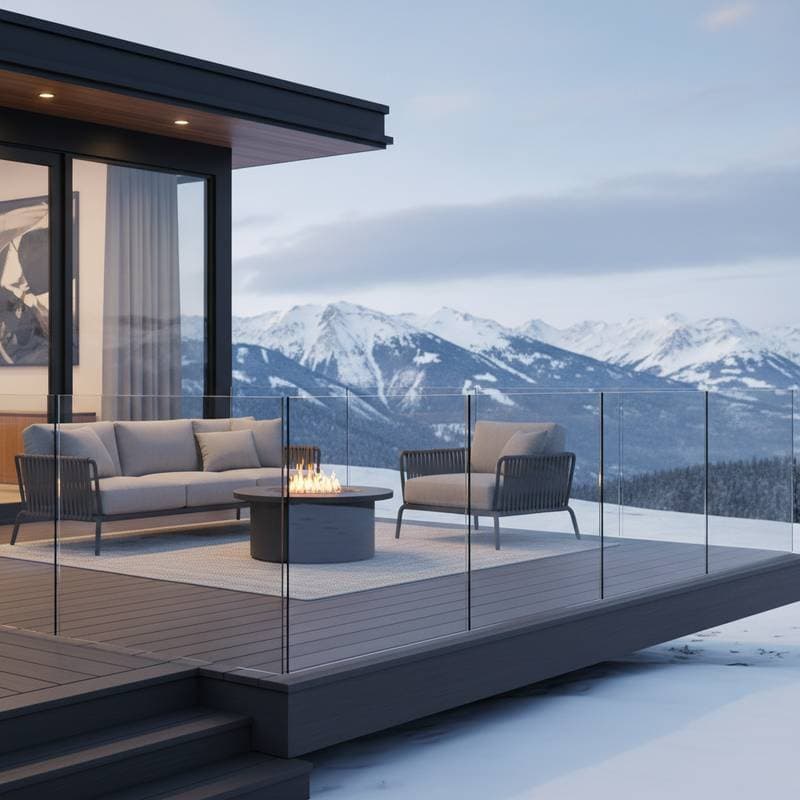
Introduction to Ice-Resistant Glass Railings
Glass railings offer a sleek, modern alternative to traditional barriers, providing unobstructed views of your outdoor space. In winter, these installations face unique challenges from frost, ice buildup, and harsh weather. Properly selected and maintained glass railings resist these elements, keeping your deck accessible and visually appealing.
Homeowners in colder climates appreciate how glass maintains brightness during long nights. Unlike wood or metal that can warp or rust, glass endures without losing its aesthetic edge. This article examines strategies to ensure your railings stay clear and safe all season.
Benefits of Glass Railings in Winter
Glass railings enhance safety by allowing full visibility, which is crucial when snow covers the ground. They prevent the hidden hazards that opaque materials create, such as unseen steps or edges. Clear panels also distribute light evenly, making decks feel more spacious even under gray skies.
Durability stands out as a key advantage. Tempered glass withstands temperature fluctuations without cracking, unlike standard glass. Laminated options add an extra layer of protection against impacts from falling branches or tools. These features ensure your investment remains intact through freeze-thaw cycles.
Aesthetically, glass railings keep your outdoor area looking contemporary. Frost patterns on the surface can even add a decorative touch, but excessive ice compromises both form and function. With the right preparations, you avoid slip risks and preserve the clean lines that define modern design.
Selecting the Right Materials
Choose tempered glass for its strength and safety; it shatters into small, blunt pieces if broken. Thickness matters—opt for at least 3/8-inch panels to handle wind loads and snow weight. For added resilience, consider laminated glass with an interlayer that blocks UV rays and reduces fogging.
Frame materials influence ice resistance. Stainless steel posts and channels resist corrosion from salt and moisture. Aluminum frames with powder coating provide lightweight durability without the risk of rust. Avoid untreated metals that attract condensation and accelerate wear.
Anti-icing treatments elevate performance. Hydrophobic coatings repel water and prevent ice adhesion, similar to those used on aircraft wings. Select products certified for outdoor use, ensuring they bond well to glass without yellowing over time.
Installation Tips for Winter Durability
Proper installation begins with site preparation. Ensure the deck foundation is level to avoid stress on panels during expansion from freezing ground. Secure posts into concrete footings at least 24 inches deep to counter frost heave.
Position panels with a slight forward tilt, about 1/8 inch per foot, to shed water away from the structure. This prevents pooling that leads to ice dams. Use silicone seals around edges to create a watertight barrier, reducing moisture infiltration.
Hardware selection is critical. Employ stainless steel clamps and brackets rated for outdoor exposure. Tighten connections to manufacturer specifications, typically 20-30 foot-pounds of torque, to maintain stability without over-stressing the glass.
Incorporate drainage features from the start. Install weep holes in base channels every 12 inches to allow melting snow to escape. Slope the channel slightly toward these outlets, ensuring efficient runoff even in subzero temperatures.
Applying Protective Coatings
Coatings form the first line of defense against ice. Clean panels thoroughly with a mild detergent solution before application, rinsing with distilled water to avoid streaks. Apply hydrophobic sprays in thin, even layers using a microfiber applicator for uniform coverage.
Timing enhances effectiveness. Coat in mild weather, around 50 degrees Fahrenheit, allowing 24 hours to cure before exposure to elements. Reapply annually or after heavy storms, focusing on areas prone to splashing from roof melt.
For enhanced clarity, consider anti-fog treatments. These contain silica-based compounds that absorb moisture on the surface. Test a small section first to confirm compatibility, as some products may alter glass sheen slightly.
Maintenance Routines for Clarity
Regular upkeep prevents minor issues from escalating. Inspect panels weekly during winter for early signs of buildup. Gently sweep snow with a soft-bristled broom before it compacts, avoiding metal tools that could scratch the surface.
Clean with a solution of equal parts vinegar and water for natural de-icing. Spray on, let sit for five minutes, then rinse with a hose on low pressure. This method dissolves frost without harsh chemicals that might etch the glass.
Address condensation promptly. Wipe interior sides with a squeegee after humid days to prevent streaks. For exterior frost, use a plastic scraper held at a 45-degree angle, applying light pressure to avoid gouges.
Store maintenance tools indoors to prevent freezing. Keep a kit with gloves, scraper, and cleaning solution accessible near the deck for quick response to weather changes.
When to Call a Professional
Handle routine cleaning and adjustments yourself. Engage a specialist if you observe any of these issues:
- Cracked or chipped panels
- Loose or corroded hardware
- Water pooling inside the base channel
- Visible tilt or uneven spacing between panels
A certified glass installer can replace affected sections without dismantling the whole setup. Verify they use tempered or laminated safety glass and corrosion-resistant fasteners. Obtain a comprehensive quote covering cleanup and debris disposal.
Professionals also assess structural integrity after severe storms. They employ tools like levels and torque wrenches for precise repairs, ensuring compliance with local building codes.
Actionable Steps to Prepare Now
Do not delay until spring; proactive measures extend usability. Begin by thoroughly cleaning and coating panels this week. Verify drainage paths and secure all clamps ahead of the initial freeze.
Monitor weather forecasts to preempt heavy snow. Clear accumulations promptly to avoid weight stress. Document any changes with photos for reference during inspections.
Enhance enjoyment by adding winter lighting around railings. LED strips along the base illuminate paths safely, highlighting the clear glass against snowy backdrops.
Enjoying a Clear, Safe Winter Deck
With these strategies, glass railings transform your deck into a year-round haven. Uninterrupted views foster relaxation, while safety features protect against slips. Invest time in preparation to reap the rewards of a pristine, inviting space that withstands winter's demands.