
Loading...

Mirror Walls for Depth in Small Urban Gardens | urbanoutdoorsnyc.com | Urban Outdoors - Small-Space Gardens, Rooftop Decks, Balconies, Decks, Backyard Design
Skip to main content
Urban Outdoors
Search
Home
  1. Home
  2. /
  3. Small-Space Gardens
  4. /
  5. Mirror Walls Create Depth in Tight Urban Gardens
Small-Space Gardens

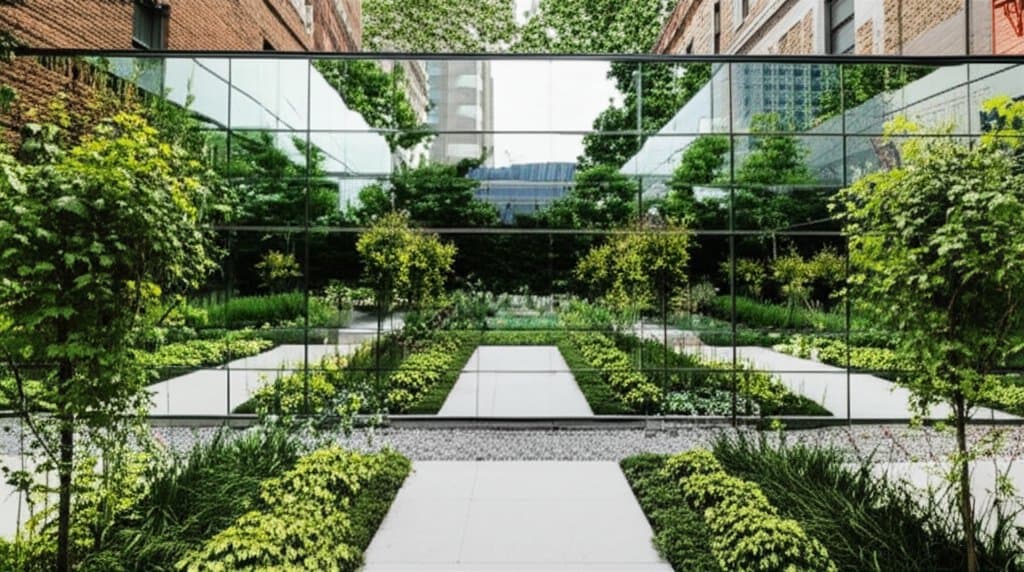
Mirror Walls Create Depth in Tight Urban Gardens

byAnne Marion
2025-10-22 03:34:44October 22, 2025
6 min read
Featured image for Mirror Walls Create Depth in Tight Urban Gardens

Categories

Navigation

  • Home
  • All Articles
  • About Us
  • Privacy Policy
  • Terms of Service

© 2026 Urban Outdoors. Crafted for bold city dwellers.

2025-10-23 03:28:11
Urban Outdoors - Small-Space Gardens, Rooftop Decks, Balconies, Decks, Backyard Design

Completing the Installation

After aligning and securing the mirror panels, focus on the final touches to ensure longevity and a seamless finish.

  1. Seal the edges. Apply a thin bead of silicone caulk along all exposed edges of the panels. Use a gloved finger or a smoothing tool to create a watertight barrier that prevents moisture from seeping behind the mirror. Allow the silicone to cure for at least 24 hours before exposing the installation to rain or heavy dew.

  2. Frame or finish the edges. Install trim or a frame made from pressure-treated wood or aluminum for both aesthetic appeal and added protection against the elements. This step conceals raw edges and provides a buffer against impacts from garden tools or windblown debris. Secure the frame with rust-resistant screws spaced every six inches.

  3. Clean the surface gently. Once the adhesive and sealant have fully cured, wipe the mirrors with a soft microfiber cloth dampened in mild soap solution. Avoid abrasive materials that could scratch the reflective surface. This initial clean removes any residue from installation and prepares the mirrors for optimal reflection.

The entire installation process typically requires one weekend for a modest garden area of up to 20 square feet. Patience proves essential, particularly during alignment, to achieve a distortion-free reflection that enhances the garden's perceived depth.

Safety Considerations

Outdoor mirror installations demand attention to potential hazards posed by reflections and structural elements. Position mirrors to reflect sunlight at a downward angle or toward dense foliage, which minimizes glare that could affect neighboring properties or passing drivers. Opt for tempered glass mirrors or durable acrylic sheets, as these materials shatter into small, blunt pieces rather than sharp shards in the event of breakage.

Prevent collisions with wildlife by avoiding placements where birds perceive the reflection as open sky. Integrate climbing vines or a partial lattice screen to soften the mirror's appearance and blend it harmoniously into the garden landscape. In areas near pathways or seating zones, mount mirrors above typical head height or recess them slightly into the wall to reduce the risk of accidental impacts.

Select weatherproof mounting hardware, such as stainless steel brackets and anchors rated for outdoor use. These components withstand high winds, heavy rain, and temperature fluctuations without loosening over time. Regularly inspect fixings after severe weather events to maintain structural integrity.

Common Issues and Solutions

Outdoor mirrors endure exposure to varying conditions, which may lead to occasional challenges. Address these promptly to preserve the installation's effectiveness.

Fogging or hazy reflections: Condensation or moisture infiltration often causes this issue. Inspect and reseal all edges with fresh silicone caulk, then examine the backing board for hairline cracks. If damage appears, replace the affected section to restore clarity.

Loose corners or edges: Thermal expansion and contraction can loosen screws over seasons. Retighten fasteners with a screwdriver, applying even pressure to avoid cracking the mirror. Consider adding lock washers for enhanced stability in fluctuating climates.

Distorted or wavy reflections: Warping in the backing material typically results in uneven surfaces. Swap out flexible boards for rigid options like marine-grade plywood, which resists moisture-induced bending. Always ensure the mounting surface remains flat and level before attaching mirrors; uneven brick or stone walls require a preliminary leveling layer.

Green discoloration or corrosion: Standard indoor mirrors degrade quickly outdoors due to vulnerable backing layers. Choose products specifically designed for exterior applications, featuring UV-resistant coatings and corrosion-proof adhesives. If spots appear, clean with a vinegar solution and reseal, but replace severely affected panels to prevent further spread.

Cost Estimates and Timeline

Budget for materials varies based on size and quality. Acrylic mirror sheets range from 6 to 10 dollars per square foot, offering a lightweight, shatter-resistant alternative ideal for DIY projects. Tempered glass options, which provide superior clarity, cost 15 to 20 dollars per square foot.

Factor in additional expenses for backing boards at 2 to 5 dollars per square foot, silicone sealant around 10 dollars per tube, and hardware such as screws and brackets totaling 20 to 50 dollars. A basic setup covering 10 to 20 square feet might total 120 to 300 dollars, depending on local supplier prices.

Allocate one full day for planning, cutting, and mounting the panels. Follow with another day for adhesive curing and finishing touches. To economize, opt for multiple smaller panels connected by trim instead of a single large sheet, which reduces waste and simplifies handling. Invest fully in high-quality adhesive and sealant, as these elements directly influence the installation's resistance to weathering.

Ongoing Care

Perform inspections twice each growing season to keep the mirror wall in prime condition. Gently clean accumulated dirt, pollen, or sap using lukewarm water mixed with mild dish soap and a non-abrasive cloth. Steer clear of ammonia-based cleaners, which etch the mirror's protective backing and diminish reflectivity over time.

Reseal any gaps or cracks along the edges as soon as they become visible, using a flexible outdoor silicone to maintain a moisture barrier. In regions with harsh winters, drape the mirrors with breathable covers during freezes to avert backing delamination from ice expansion.

Address scratches on acrylic surfaces with a specialized plastic polish applied in circular motions; for glass, replacement often proves more practical. Trim adjacent plants regularly to limit sticky residue or falling leaves that could adhere to the mirrors and complicate cleaning.

Storage Strategies

For seasonal installations, remove panels before winter to extend their lifespan. Label each piece according to its position and store them upright in a sheltered, dry location such as a garage or shed. Wrap individual panels in breathable, soft cloths to guard against scratches during stacking.

Organize hardware like screws, brackets, and spare sealant in labeled, airtight containers for quick access come spring. This preparation streamlines reinstallation and minimizes downtime in your garden.

Permanent setups benefit from on-site storage of replacement materials. Keep extra tubes of sealant, brackets, and cleaning supplies indoors, readily available for immediate repairs following storms or high winds.

Professional Assistance

Engage a contractor for installations exceeding 6 feet in height or involving substantial glass panels, where specialized equipment ensures safety. Professionals possess the necessary anchors, lifts, and rigging to handle elevated or heavy work without risk.

Inquire about their prior projects with exterior mirrors and confirm use of weather-resistant materials compliant with local building codes. This expertise proves invaluable for complex sites, such as those with irregular walls or high-exposure conditions.

Planning Your Installation

Select a calm weekend to begin your project, gathering all tools and materials in advance. Sketch a simple diagram of your garden wall, noting reflection angles and plant placements to maximize depth illusion. Test a small sample panel on-site to verify the desired effect before committing to the full layout.

Consult urban gardening resources or join local forums for inspiration tailored to city environments. With careful execution, your mirror wall transforms a confined space into a visually expansive oasis, inviting prolonged enjoyment of urban greenery.

You Might Also Like

Simple Drip Systems That Water While You Work

Micro-Misting Drops Balcony Temps 20 Degrees Fast

Turn Your Deck into a Clean Energy Generator

Micro-Pergola Pods Bring Patio Comfort to Tiny Balconies

Microclimate Pods Extend Growing Season on Balconies

Tagged:

garden,outdoor,mirrors,space,small,garden-mirrors,illusion,small-space-illusion,outdoor-mirrors

Recent by Anne Marion

Image for Simple Drip Systems That Water While You Work

Simple Drip Systems That Water While You Work

Jan 31, 2026
Image for How Urban Gardens Cut City Noise by 70%

How Urban Gardens Cut City Noise by 70%

Jan 31, 2026
Image for Micro-Pergola Pods Bring Patio Comfort to Tiny Balconies

Micro-Pergola Pods Bring Patio Comfort to Tiny Balconies

Jan 29, 2026
Image for Mini Bog Gardens Bring Wetland Habitats to Balconies

Mini Bog Gardens Bring Wetland Habitats to Balconies

Jan 28, 2026
Image for Why Shade Apps Unlock Perfect Balcony Gardens

Why Shade Apps Unlock Perfect Balcony Gardens

Jan 28, 2026

garden

Image for Microclimate Pods Extend Growing Season on Balconies

Microclimate Pods Extend Growing Season on Balconies

Jan 26, 2026
Image for Three Square Feet of Balcony That Feeds Urban Bees

Three Square Feet of Balcony That Feeds Urban Bees

Jan 25, 2026
Image for AI Cameras That Water Plants and Deter Deck Pests

Small-Space Gardens

Simple Drip Systems That Water While You Work

Elevate your urban balcony garden with a simple, app-free micro drip irrigation system. This practical guide covers tools, installation steps, troubleshooting, and maintenance to ensure reliable watering and vibrant plants, even during busy schedules.

Jan 31, 2026

How Urban Gardens Cut City Noise by 70%

Convert your bustling urban garden into a tranquil haven using layered vegetation and sound-dampening materials. This comprehensive guide details how evergreens, grasses, mulch, and permeable surfaces can diminish noise by up to 70 percent, fostering a soothing space that filters out urban clamor while enhancing natural serenity.

Jan 31, 2026

Living Sound Filters for City Apartments

Convert urban clamor into tranquility using acoustic plants as living sound barriers. This guide details optimal plant selection, strategic placement, and upkeep for effective noise reduction in tight city dwellings. Affordable and aesthetically pleasing, these green solutions deliver enduring calm without major alterations.

Jan 30, 2026

Categories

Deck Construction & Remodeling(153)
Balcony Design(146)
Small-Space Gardens(61)
Rooftop Decks(50)
Backyard Design(17)

AI Cameras That Water Plants and Deter Deck Pests

Jan 21, 2026
Image for Map Your Deck's Hot Spots Before You Zone

Map Your Deck's Hot Spots Before You Zone

Jan 19, 2026
Image for Plants Cut City Noise With Layers and Smart Placement

Plants Cut City Noise With Layers and Smart Placement

Jan 17, 2026

Mini Bog Gardens Bring Wetland Habitats to Balconies

Turn a standard balcony into a vibrant mini bog garden that mimics natural wetlands. Assemble a self-sustaining system with layered substrates, precise watering techniques, and native plants to foster biodiversity and create an engaging urban green space.

Jan 28, 2026

Why Shade Apps Unlock Perfect Balcony Gardens

Elevate your balcony garden using shade apps to precisely map sunlight exposure. Gain insights on plant selection for specific light zones, easy scanning techniques, and cost-effective tools. Uncover strategies for seasonal adjustments to cultivate a vibrant, sustainable urban oasis.

Jan 28, 2026

Microclimate Pods Extend Growing Season on Balconies

Turn your balcony or rooftop into a productive garden that defies seasonal limits with microclimate pods. These innovative enclosures maintain optimal warmth, humidity, and airflow. Follow this comprehensive guide for construction, plant selection, safety measures, and ongoing care to harvest greens and herbs throughout the year.

Jan 26, 2026

Three Square Feet of Balcony That Feeds Urban Bees

In the heart of urban living, three square feet of balcony can become a thriving haven for bees. This guide details plant selections, container arrangements, and maintenance practices to attract pollinators throughout the year. With modest investment and simple routines, your compact space contributes to healthier ecosystems and serene outdoor moments.

Jan 25, 2026

Aeroponic Towers Fit Full Veggie Gardens in 4 Feet

Convert a compact balcony into a productive, soil-free vegetable garden using aeroponic towers. This detailed guide covers planning, assembly, and maintenance for a lightweight system that delivers abundant yields while fitting urban constraints like limited space and sunlight.

Jan 24, 2026

Balcony Microclimates That Triple Your Harvest

Transform your balcony garden by identifying and leveraging microclimates—warm pockets, windy perimeters, and shaded retreats—that influence plant success. Map exposure to light, air, and temperature; assign suitable crops to zones; and adapt seasonally for a bountiful, year-round harvest in compact settings.

Jan 23, 2026

Balcony Mushroom Farms That Pay for Themselves

Transform your shaded balcony into a profitable mushroom farm producing gourmet varieties like oyster and shiitake. This guide covers setup, maintenance, harvesting, and sales strategies to generate steady income from urban space with minimal effort.

Jan 21, 2026

Acoustic Walls Cut Neighbor Noise Without Renovating

Achieve tranquility in bustling urban environments through acoustic walls, strategic sealing, and sound-absorbing plants. This guide provides practical installation steps, affordable material recommendations, and maintenance tips to create a serene home without extensive renovations.

Jan 18, 2026

Plants Cut City Noise With Layers and Smart Placement

Convert urban balconies or courtyards into tranquil refuges with sound-absorbing plants. Discover layering techniques featuring bamboo, evergreens, and grasses to diffuse noise, plus essential tips on selection, positioning, care, and affordability for compact green spaces.

Jan 17, 2026

Turn Your Balcony Into a Pollinator Stopover

Convert your balcony into a vibrant pollinator habitat that draws in bees, butterflies, and hummingbirds. Employ native plants, fresh water sources, and basic containers to promote urban biodiversity, improve air quality, and establish a serene green oasis, all achievable for less than seventy dollars with minimal weekly maintenance.

Jan 17, 2026

Dwarf Fruit Trees Turn Tiny Balconies into Orchards

Even the tiniest balcony can become a productive orchard with dwarf fruit trees. Compact options like Meyer lemon and dwarf apple varieties yield full-sized fruit in containers. This guide provides essential steps for setup, ongoing care, and troubleshooting to help city dwellers cultivate fresh produce just steps from their living spaces.

Jan 15, 2026

Turning Nine Square Feet Into a Pollinator Haven

Convert a modest 3x3 balcony into a dynamic micro-meadow that supports bees, butterflies, and birds. This comprehensive guide explains the process of designing, planting, and sustaining a lightweight, low-maintenance native plant habitat that delivers seasonal blooms, tranquility, and environmental benefits to city dwellers.

Jan 15, 2026

AI Garden Cams Catch Plant Problems Before They Spread

AI garden cameras leverage smart sensors and machine learning to track plant health, identify stress indicators promptly, and provide targeted care recommendations. This comprehensive guide covers device selection, installation procedures, data interpretation, and optimization strategies for watering and lighting, enabling urban gardeners to sustain healthy plants with reduced uncertainty and minimal effort.

Jan 14, 2026

Why Wildflower Balconies Supercharge Urban Pollinators

Convert your balcony into a buzzing mini-ecosystem that sustains urban pollinators. Explore native wildflower choices, efficient container arrangements, and simple maintenance routines to build lasting habitats in compact city areas. Gain insights into budget-friendly supplies, time commitments, and year-round strategies for a pollinator paradise.

Jan 12, 2026

AI Sensors Stop Deck Plants From Drying Out

AI sensors revolutionize deck gardening with automated watering based on real-time environmental data. This comprehensive guide covers installation, calibration, troubleshooting, and maintenance to ensure thriving plants, water savings, and minimal effort in compact urban spaces.

Jan 9, 2026

Plants That Cut City Noise by Half in Small Yards

Convert urban clamor into peaceful garden ambiance through targeted planting. Understand how thick foliage captures and diffuses noise, transforming compact areas into restorative sanctuaries. This guide covers noise assessment, plant selection, and layered arrangements for an efficient, affordable acoustic shield that enhances city living.

Jan 8, 2026

Aeroponic Towers Grow 20 Plants on a Balcony

Elevate your balcony into a productive, soil-free garden using aeroponic towers by 2026. This comprehensive guide covers mist-based vertical farming for greens and herbs, emphasizing efficient space use, reduced water consumption, and simple upkeep. Discover assembly steps, care protocols, safety measures, and budget tips for continuous harvests at your doorstep.

Jan 6, 2026