
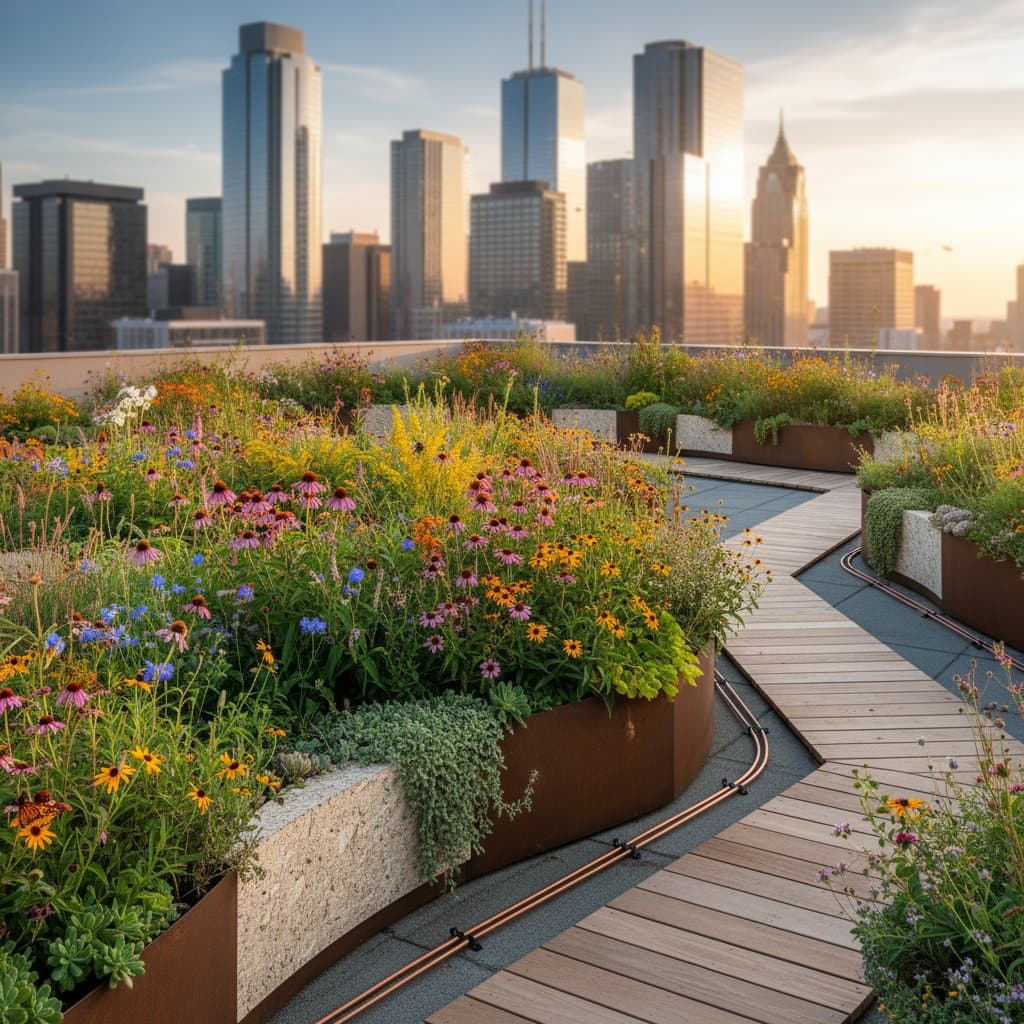
Introduction to Rooftop Wildflower Meadows
Urban rooftops represent untapped potential for sustainability and beauty. Transforming these spaces into wildflower meadows introduces lightweight, low-maintenance gardens that combat heat, support wildlife, and enhance city living. These pocket meadows require minimal investment and effort while delivering substantial environmental benefits.
Wildflower meadows thrive in the challenging conditions of rooftops, where space constraints and exposure to elements demand smart design choices. Property owners and community gardeners alike find value in projects that cool structures, attract pollinators, and foster biodiversity. This guide outlines the process from planning to upkeep, ensuring success for beginners and experienced urban gardeners.
Benefits of Rooftop Wildflower Meadows
Rooftop meadows lower building temperatures through natural insulation and evapotranspiration. Vegetation absorbs sunlight and releases moisture, reducing urban heat islands and cutting energy costs for cooling. Studies show green roofs can decrease surface temperatures by up to 30 degrees Celsius on hot days.
These gardens serve as vital habitats for bees and other pollinators, which face declining populations in cities. Native wildflowers provide nectar and pollen throughout the growing season, boosting local ecosystems. In addition to ecological gains, the visual appeal transforms drab rooftops into vibrant green oases, improving mental well-being for residents.
Maintenance remains simple compared to traditional landscaping. Wildflowers establish deep roots that stabilize soil and prevent erosion, while their diversity resists pests and diseases. Over time, these meadows require less water and fertilizer, aligning with sustainable urban practices.
Designing Your Rooftop Meadow
Assess your rooftop's suitability before starting. Select flat or low-slope areas with good drainage to avoid water pooling. Ensure the structure supports added weight; lightweight soil mixes and modular trays keep loads under 20 pounds per square foot.
Choose native wildflower species adapted to your climate zone. For example, in temperate regions, opt for black-eyed Susans, coneflowers, and milkweed, which attract butterflies and bees. Mix seeds with grasses for better coverage and stability. Aim for a blend that matches your rooftop's sun exposure, which typically ranges from partial shade to full sun in urban settings.
Incorporate protective elements like root barriers to safeguard the roofing membrane. Use permeable fabrics or trays that allow excess water to drain while retaining soil. Plan pathways for safe access, ensuring at least 24 inches of width for maintenance tasks.
Preparing and Planting the Meadow
Clear the rooftop surface of debris and loose materials. Install a protective layer, such as a geotextile fabric, to separate soil from the roof. For small projects under 100 square feet, employ pre-filled trays that slot together easily.
Prepare the soil mix with 70 percent lightweight aggregate, like expanded shale, and 30 percent compost for nutrients. Spread a one- to two-inch layer evenly. Broadcast seeds at the recommended rate, typically one ounce per 100 square feet, and lightly rake them into the surface.
Water gently after planting to settle the seeds. Initial irrigation focuses on germination, which occurs in seven to 14 days under optimal conditions. Protect young plants from birds with temporary netting until they establish.
Maintenance Essentials
Monitor growth during the first season, weeding out invasive species that compete with natives. Water deeply but infrequently once plants root, aiming for one inch per week during dry spells. Mulch with straw to retain moisture and suppress weeds.
Smart Storage Moves
Keep a small waterproof box near the access door with tools, seeds, gloves, and a hand broom. Label containers clearly. Store water cans upside down so they drain between uses. If you share the rooftop, post a short care schedule so neighbors can help.
A few minutes of organization saves time later and keeps the space tidy. It also encourages others to take part, which builds community ownership of the garden.
When to Call a Pro
Call a professional if you notice leaking beneath the roof, sagging sections, or persistent drainage problems. A licensed roofer or green roof specialist can test for weight stress and adjust the design. If you plan to expand beyond 200 square feet (19 square meters), a structural review proves essential.
Ask the pro about maximum roof load per square foot, membrane type and compatibility with root barriers, safe access routes and railing options, and recommendations for native plant mixes suited to your sun exposure. Professional input early prevents costly repairs later.
Advancing Your Meadow Project
Your Next Steps
If you seek quick progress:
- Choose a flat roof section with at least four hours of daily sun.
- Buy one native seed mix suited to your region.
- Prepare a lightweight soil tray and start planting this week.
Track progress with seasonal observations, noting pollinator visits and temperature changes. Expand gradually as confidence grows, perhaps adding bird feeders or compost bins. These meadows evolve into self-sustaining features that enrich urban life year after year.
Sustaining Urban Biodiversity
Rooftop wildflower meadows extend beyond individual benefits to contribute to city-wide resilience. They filter rainwater, reduce stormwater runoff, and improve air quality by trapping particulates. Communities that adopt these practices create connected green networks, supporting wildlife corridors in concrete landscapes.
Engage local groups or schools to participate, turning maintenance into educational opportunities. The result stands as a testament to simple actions yielding profound impacts, from cooler summers to buzzing rooftops alive with nature.