
Building a Serene Balcony Pond: Advanced Steps and Care
Urban dwellers often seek ways to infuse nature into limited spaces. A tiny pond serves as an ideal solution, offering the soothing ripple of water and vibrant greenery without demanding extensive room or resources. This guide focuses on the later stages of setup, essential safety measures, and ongoing maintenance to ensure your creation thrives year-round.
Step 5: Integrate Plants Thoughtfully
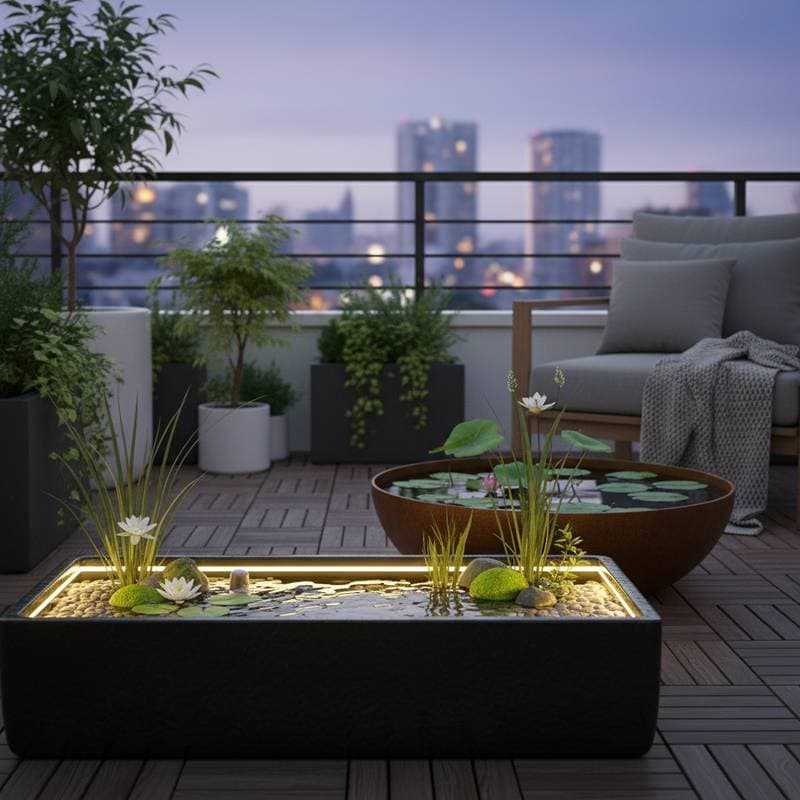
Position taller aquatic plants, such as dwarf water lilies or marginal reeds, toward the rear of the pond to create depth and privacy. Place floating varieties, like water lettuce or fairy moss, in the central area to provide natural filtration and visual interest. Submerge roots fully in the water while ensuring each plant has ample space to grow; overcrowding leads to competition for nutrients and light.
Begin with three to five plants in a 20-inch diameter container to allow establishment without overwhelming the ecosystem. Monitor growth over the first few weeks, adding additional specimens only after roots anchor securely. Select species suited to partial shade, such as Anacharis for oxygenation or Hornwort for easy propagation, to maintain water clarity and support beneficial bacteria.
Step 6: Achieve Equilibrium and Fine-Tune
Activate the circulation pump and allow water to flow continuously for several hours to distribute oxygen evenly. Reposition plants as necessary to prevent foliage from obstructing the inlet or outlet, which could reduce efficiency. Stand back several feet to assess the overall harmony, then listen closely to the gentle trickle that evokes a sense of vitality and peace.
Observe how sunlight interacts with the water surface throughout the day, adjusting the pond's orientation if intense rays cause excessive evaporation. This step not only tests functionality but also invites a moment of mindfulness, connecting you to the living elements you have assembled.
Essential Safety Considerations
Stability forms the foundation of a secure balcony pond. Place the container on a level, weight-bearing surface capable of supporting at least 50 pounds per square foot, accounting for water and soil displacement. Test for wobbles by applying gentle pressure before filling.
Protect electrical components by routing cords away from water sources; incorporate drip loops to direct any moisture downward rather than toward plugs. Limit pond depth to no more than 12 inches to minimize risks of falls or submersion, while facilitating straightforward cleaning.
Consider the impact on those below by sealing any potential gaps in balcony flooring or railings with waterproof tape. Regularly inspect for cracks in containers that might allow drips, ensuring your setup respects shared urban environments.
Common Issues and Resolutions
Addressing Green Water from Algae
Issue: Excessive algae proliferation clouds the water, diminishing aesthetic appeal and oxygen levels.
Resolution: Introduce additional shading by covering approximately one-third of the surface with floating plants or erecting a simple trellis nearby. Relocate the pond to a spot receiving only morning sun if direct afternoon exposure exceeds four hours daily.
Mechanism: Reduced light exposure inhibits algal photosynthesis, allowing beneficial microbes to regain balance.
Follow-Up: Perform partial water changes, replacing one-third of the volume with fresh, dechlorinated water every two weeks until clarity returns. Introduce algae-eating snails, such as ramshorn varieties, for natural control without chemicals.
Preventing Mosquito Infestations
Issue: Stagnant conditions foster mosquito breeding, posing health concerns in dense city settings.
Resolution: Maintain constant water movement via the pump, operating it for at least eight hours daily, and incorporate a biological larvicide tablet designed for aquatic use.
Mechanism: Circulating water disrupts egg-laying sites, while the tablet releases bacteria that target larvae specifically, sparing plants and wildlife.
Follow-Up: Skim the surface weekly with a fine net to remove any emerging adults or debris. Add mosquito fish, like gambusia, if local regulations permit, for an ecological long-term solution.
Managing Fluctuating Water Levels
Issue: Rapid drops signal evaporation, leaks, or overflow from heavy rain.
Resolution: Apply waterproof tape to mark the initial water line, then monitor over 48 hours. Investigate if the decline surpasses one inch, examining seals, pump fittings, and container integrity.
Mechanism: This methodical check distinguishes routine environmental loss from structural failures, preventing escalation.
Follow-Up: Apply aquarium-grade silicone sealant to any fissures, allowing 24 hours to cure before refilling. In hot weather, cover edges with mulch to curb evaporation rates.
Routine Maintenance Practices
Weekly Tasks
Remove accumulated leaves, pollen, or insects using a soft skimmer to preserve water quality. Replenish evaporated water with rainwater or treated tap water left to sit overnight, aiming to maintain consistent levels. Clear the pump's intake filter by rinsing under a gentle stream, avoiding tap water that could introduce chlorine.
Monthly Routines
Gently agitate and rinse gravel or stones using reserved pond water to retain beneficial bacteria. Prune elongated roots with sterilized scissors to promote healthy growth and prevent decay. Examine all cords and connections for fraying or corrosion, replacing components promptly to avert hazards.
Seasonal Adjustments
As temperatures drop in late fall, disconnect and store the pump in a dry indoor location after thorough cleaning. Lower the water level by half to accommodate potential freezing, preventing liner rupture from ice expansion. Drape a breathable mesh cover over the pond to block falling debris while permitting air circulation.
In spring and summer, scrub liner edges with a soft brush and renew half the water volume to flush accumulated sediments. Divide overcrowded plants during active growth periods, replanting offsets to sustain vigor. These cycles ensure resilience against urban variables like pollution and temperature swings.
Proper Storage Techniques
When preparing for extended downtime, empty and air-dry all components in a shaded area to inhibit mold. Wrap the pump in a clean towel and secure it within a sealed plastic container to shield from dust. Lay liners flat under light pressure to prevent warping, and arrange pots on their sides with foam padding to avoid scratches.
Label storage bins with contents and dates for easy retrieval. Inspect stored items annually for degradation, such as rubber seals hardening, and discard or repair as needed to extend usability.
Cost, Time, and Practical Considerations
Initial investment typically ranges from 40 to 120 dollars, depending on material choices. Opt for a sturdy plastic tub paired with hardy aquatic plants for budget-friendly starts around 40 dollars. Upgrade to glazed ceramic vessels and solar-powered pumps to approach 120 dollars, enhancing durability and aesthetics.
Assembly requires approximately two hours with pre-gathered supplies, from lining the container to testing circulation. Ongoing care demands about ten minutes weekly, focusing on observation rather than intensive labor.
Weigh options carefully: Expansive ponds stabilize temperatures and ecosystems but increase weight burdens on balconies. Compact, lightweight designs offer portability at the expense of more frequent monitoring during dry spells.
Professional Assistance Indicators
Engage a certified electrician for installing weatherproof outlets or verifying GFCI safeguards in your electrical setup. Consult a neighborhood nursery specialist if algae persists despite interventions or if plants exhibit unexplained wilting. Request tailored advice on hardy species that align with your balcony's microclimate, including light duration and wind exposure.
Year-Round Care Prompts
Spring Revival
Reinstall the pump after winter storage, test its operation, and propagate plants by separating healthy clumps. Replace any compromised liners to restore watertight integrity before full refilling.
Summer Vigilance
Monitor levels bi-weekly amid rising heat, supplementing with misting if humidity dips low. Introduce shade cloth during peak sun to protect delicate foliage.
Fall Preparation
Clear decaying leaves promptly to avoid nutrient imbalances that fuel algae. Begin transitioning hardy plants to dormancy by reducing feedings.
Winter Safeguards
Partially drain to mitigate freeze-thaw cycles, insulating exposed edges with bubble wrap if temperatures plummet below freezing.
Consistent attention to these prompts sustains your pond's health across seasons.
Core Benefits and Implementation
A compact balcony pond demands no expansive yard or specialized equipment, relying instead on a sealed container, filtered water, and select greenery. It delivers tranquility at eye level, softening the urban edge with its subtle presence.
The murmur of circulating water drowns out traffic hum, verdant fronds temper concrete vistas, and shimmering surfaces expand perceived space. Together, these elements foster restorative pauses, blending natural harmony with daily life.
Action Plan for Your Pond
- Assess your balcony's load capacity and select a stable 5- to 10-gallon vessel.
- Source essentials: a submersible pump, aquatic soil, and compatible plants like pickerelweed or dwarf papyrus.
- Dedicate a weekend afternoon to assembly, then step back to absorb the transformative calm.
This miniature ecosystem weaves motion, illumination, and growth into a cohesive retreat, elevating routine moments into mindful escapes.