
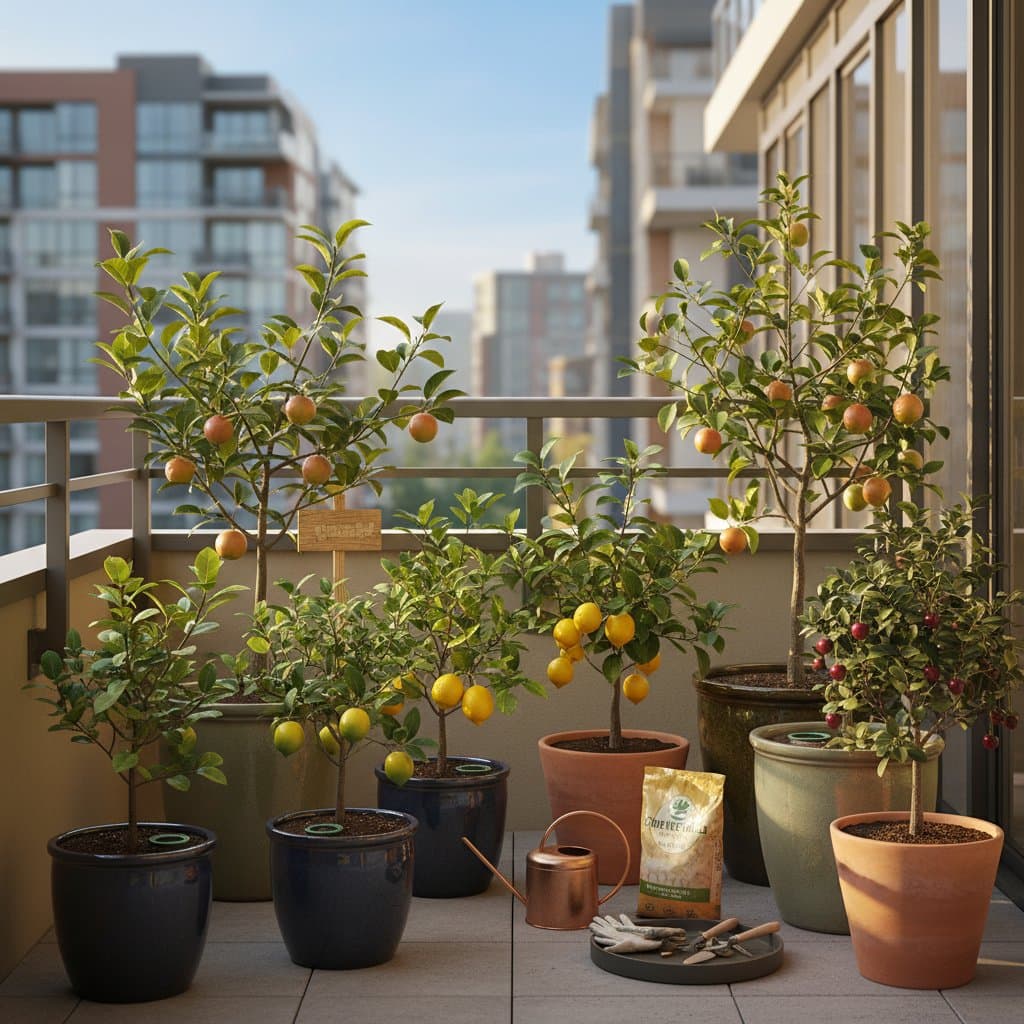
Dwarf Fruit Trees: Transforming Balconies into Productive Orchards
Urban living often limits access to traditional gardening, yet dwarf fruit trees offer a practical solution. These compact varieties enable residents to cultivate fresh produce in confined spaces such as balconies. With proper selection and maintenance, individuals can enjoy the satisfaction of harvesting homegrown apples, lemons, or peaches. This guide provides detailed instructions on selecting, planting, and nurturing these trees to achieve optimal results.
Understanding Dwarf Fruit Trees
Dwarf fruit trees result from selective breeding or grafting techniques that restrict growth to heights of 4 to 8 feet, or 1.2 to 2.4 meters. The modified rootstock controls the tree's size while preserving the quality and flavor of full-sized fruit. Although yields may be smaller, the fruit remains identical in taste and appearance to that from larger specimens. This adaptability makes dwarf trees ideal for urban environments where space constraints dominate.
Key advantages include efficient use of limited areas, simplified maintenance without the need for extensive equipment, and accelerated production timelines. Many varieties begin bearing fruit within two to three years. Additionally, the aesthetic value of blooming flowers and lush foliage enhances outdoor living spaces, contributing to a sense of tranquility amid city surroundings.
Essential Tools and Materials
Assembling the necessary items ensures a smooth planting process and ongoing care. Focus on durable, functional supplies suited to container gardening.
- Containers: Select pots measuring at least 15 to 20 inches in width and depth, or 38 to 50 centimeters, with sufficient drainage holes.
- Potting mix: Choose a well-draining formula designed for fruit trees or citrus, enriched with organic matter.
- Drainage layer: Prepare gravel, broken pottery shards, or mesh screens to line the pot base.
- Watering equipment: Employ a can or hose equipped with a fine spray nozzle to deliver water evenly without displacing soil.
- Fertilizer: Opt for slow-release granules or a liquid formulation balanced for fruit-bearing plants, such as a 10-10-10 ratio.
- Pruning tools: Use sterilized, sharp shears to trim branches precisely.
- Support structures: Include stakes and soft ties for stabilizing young trees against wind.
In windy locations, incorporate anchoring mechanisms like bungee cords to secure pots to railings, preventing tipping.
Planting and Care Process
Proceed methodically through these steps to establish robust dwarf fruit trees. Each phase contributes to long-term health and productivity.
Selecting Appropriate Varieties
Evaluate your balcony's sunlight exposure and climate zone before purchasing. Suitable options for beginners include dwarf citrus such as Meyer lemons, compact apple varieties like Braeburn, and self-fertile figs or cherries. Prioritize labels indicating 'dwarf' or 'patio' designations. For multiple trees, select compatible species that require similar levels of moisture and illumination to simplify management.
Preparing the Containers
Begin by placing a 2-inch layer of drainage material, equivalent to 5 centimeters, at the pot's bottom. Fill the container with potting mix up to 2 inches below the rim, allowing space for watering without spillage. This setup promotes aeration and prevents waterlogging, which can harm roots.
Positioning the Tree
Gently extract the tree from its nursery container and tease apart any circling roots to encourage outward spread. Center the root ball in the pot so its top aligns with the surrounding soil level. Firmly pack additional mix around the roots, eliminating voids by tapping the pot sides. Thoroughly saturate the soil until excess water drains away, confirming full hydration.
Installing Supports
Position a sturdy stake adjacent to the trunk and secure it with flexible twine, maintaining loose tension to allow natural movement. This setup shields the tree from gusts during establishment. Inspect and adjust ties biweekly to safeguard the bark from abrasion.
Managing Light and Irrigation
Position trees to receive 6 to 8 hours of direct sunlight daily, essential for fruit development. Periodically rotate pots to ensure uniform exposure on all sides, promoting balanced growth. Irrigate deeply whenever the top inch of soil dries out, typically every few days depending on weather, but ensure pots do not accumulate standing water.
Fertilizing and Pruning
Apply fertilizer every six weeks during the growing season, following product guidelines for dilution and application. Remove dead, diseased, or intersecting branches to improve airflow and light penetration within the canopy. Make cuts immediately above an outward-facing bud to guide future shaping.
Ensuring Pollination
Many dwarf varieties, including certain apples and pears, self-pollinate effectively in isolation. For those requiring cross-pollination, plant compatible partners nearby or use a small brush to transfer pollen between flowers manually. This intervention maximizes fruit set in space-limited settings.
Safety Considerations
Prioritize stability by locating heavy pots near load-bearing elements like walls or beams, away from edges. Employ saucers or trays beneath containers to contain drainage and avoid inconveniencing those below. Don protective gloves during handling of soil or tools to minimize irritation risks. In anticipation of severe weather, fasten all elements securely to mitigate hazards.
Common Issues and Solutions
Monitor trees for early indicators of distress and address them promptly to sustain vigor.
- Yellowing foliage: This often signals excess moisture; allow the soil to dry completely between waterings.
- Lack of fruit production: Verify adequate sunlight and pollination requirements are met.
- Wilting extremities: Trim affected areas and inspect for infestations such as aphids or spider mites, treating with insecticidal soap if necessary.
- Stunted development: Supplement with nutrients or transplant to a larger pot once roots become bound.
Most corrections yield noticeable improvements within one to two weeks. Persistent problems warrant closer examination of the root system for signs of decay or restriction.
Ongoing Maintenance Practices
Sustain tree health through consistent routines tailored to seasonal changes. During colder periods, relocate pots to sheltered spots or insulate roots with a layer of mulch. Clean and lubricate pruning tools after each session to prevent disease transmission. Annually replenish the surface soil layer to replenish essential minerals.
Reduce fertilization when growth halts, but maintain minimal watering to prevent desiccation. Deciduous varieties that shed leaves will rejuvenate with returning warmth. For exposed balconies, encase trunks in breathable fabric like burlap during freezes to offer protection.
Cost and Time Investment
Initial expenses remain accessible for most budgets. Dwarf trees typically cost between $30 and $80, varying by species and maturity. New pots contribute $20 to $50 per unit. Established setups demand approximately 1 to 2 hours monthly for routine tasks like irrigation and inspection.
Cost-saving strategies involve repurposing existing containers, acquiring bare-root stock for lower prices, or purchasing shared supplies in bulk with fellow gardeners.
Seasonal Care Guidelines
Adapt tasks to environmental shifts for year-round success.
- Spring: Introduce light fertilization and monitor emerging growth; repot if roots protrude from drainage holes.
- Summer: Increase watering frequency and collect ripe fruit promptly to encourage further production.
- Fall: Perform gentle pruning to refine structure and eliminate frail branches.
- Winter: Shield pots from frost and water sparingly as evaporation decreases.
Document observations seasonally to refine techniques over time.
Seeking Professional Assistance
Consult a certified arborist or local nursery when confronting severe challenges like extensive root rot, persistent pests, or unexplained decline. Experts provide targeted treatments, including eco-friendly pest controls and soil analyses. They also assess balcony load capacities to ensure safe installations, particularly in ventilated-challenged areas.
Establishing Your Balcony Orchard
Initiate your project by acquiring one or two suitable trees and preparing the site. Assemble tools in advance to streamline the process. Consistent monitoring of moisture and nutrients will foster reliable yields.
To advance effectively:
- Identify a dwarf variety aligned with your balcony's conditions.
- Implement drainage measures prior to planting to avert common pitfalls.
- Maintain records of care activities using a journal or digital tool for ongoing optimization.