
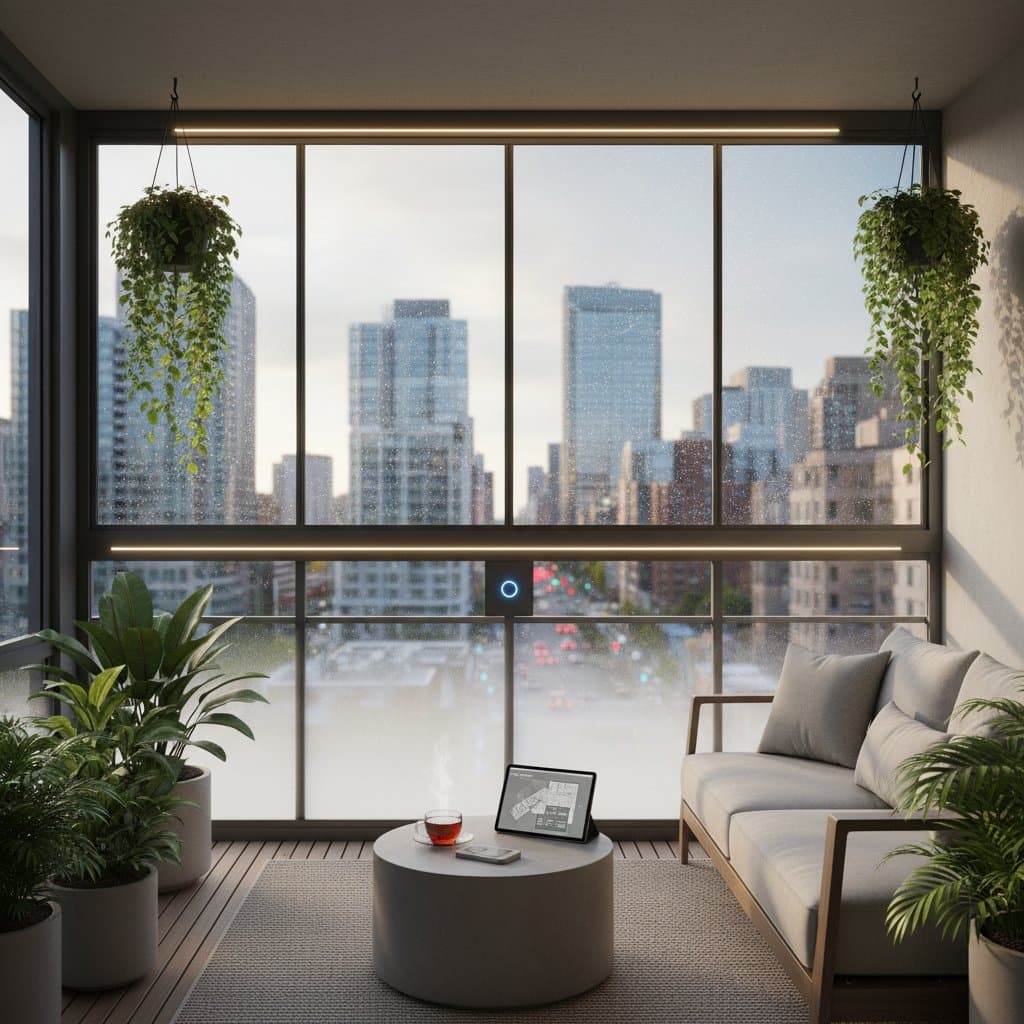
Reduce Balcony Noise with Smart Acoustic Screens in 2025
Urban balconies offer fresh air and natural light, yet they often amplify street noise from traffic, conversations, and construction. This intrusion can disrupt relaxation and make outdoor time unappealing. Smart acoustic screens provide an effective solution by minimizing noise, increasing privacy, and preserving the open feel of your space.
This guide covers the functionality of these screens, selection criteria, installation process, and ongoing care. Readers will gain insights into planning, budgeting, and enhancements that deliver quiet comfort without enclosing the balcony.
Overview
An acoustic screen consists of layered panels designed to absorb or redirect sound waves. These panels feature sound-absorbing materials such as specialized fabric or foam encased in durable, weather-resistant frames. Smart acoustic screens incorporate advanced features like sensors or motorized mechanisms that automatically adjust position or density in response to ambient noise levels or scheduled times. Many models integrate with home automation apps or voice assistants for seamless control.
Installed on balconies, these screens function as an invisible barrier against urban clamor. They attenuate traffic rumble, soften neighboring voices, and foster a tranquil environment ideal for reading, dining, or unwinding. Additional benefits include wind protection, light diffusion, and shielding from prying eyes in adjacent structures.
Tools and Materials
Most balcony installations require basic household tools. Assemble the following items prior to beginning:
- Tape measure: Essential for accurately determining railing height and wall width.
- Cordless drill: Used for creating holes and securing mounting hardware.
- Level: Ensures panels align evenly without tilting.
- Screws and anchors: Select stainless steel varieties; use masonry anchors for concrete surfaces.
- Weather sealant: Applies to edges to eliminate gaps and reduce vibrations.
- Protective gear: Includes gloves to avoid sharp edges and safety glasses for drilling.
- Smart hub or app: Required for Wi-Fi-enabled screens to enable connectivity.
For a typical 8-by-4-foot balcony, acquire two to three panels, each measuring 24 to 36 inches in width, to achieve full coverage.
Steps
1. Measure and Plan
Begin by measuring the railing height, available wall space, and any irregular surfaces. Create a simple sketch indicating panel positions. Allow a minimum of 1 inch between movable panels to accommodate operation. For motorized options, identify nearby power outlets or suitable locations for battery packs.
2. Select Your Screen Type
Three primary types suit different needs:
- Fixed acoustic panels: Offer straightforward installation and robust noise reduction without moving parts.
- Retractable screens: Deploy by rolling or folding away when unused, providing moderate sound control with added versatility.
- Smart adjustable screens: Feature motors or sensors that respond dynamically to noise or sunlight changes.
Base your choice on usage patterns. Fixed panels excel against persistent traffic sounds, while retractable or smart variants prioritize adaptability for varied balcony activities.
3. Prepare the Surface
Clean the railing or wall using mild soap and water, then allow it to dry thoroughly. Examine for cracks, loose fittings, or instability. Secure or repair any issues to support the added weight of the panels.
4. Install Brackets or Anchors
Mark positions for pilot holes using a pencil. Drill holes spaced 3 inches apart to ensure a firm hold. Insert anchors into masonry surfaces as needed. Verify straightness with a level before fastening brackets using rust-resistant stainless steel screws.
5. Mount the Panels
Position each panel by lifting it into the brackets and securing both upper and lower attachments. Avoid excessive tightening, which could deform the sound-absorbing core. For motorized units, adhere to the manufacturer's wiring instructions. Route and seal any cables in protective conduit to maintain neatness and safety.
6. Connect Smart Functions
Install the dedicated app on your device and connect the screen to your home Wi-Fi network. Configure settings for noise thresholds or deployment schedules. Conduct on-site tests to confirm responsiveness. Fine-tune sensitivity to activate only for sustained noise rather than isolated incidents.
7. Seal and Finish
Apply a bead of weather sealant along all contact points between the frame and mounting surface. This step minimizes vibrations and repels moisture. Wipe panels with a damp cloth to remove installation residue, then evaluate overall noise reduction.
Safety Tips
- Employ a stable ladder and enlist a helper for handling heavy panels.
- Don gloves to protect against cuts from frame edges.
- Disconnect power to electric screens prior to maintenance or adjustments.
- Obtain building permission before drilling into communal walls.
- Position electrical cords distant from potential water exposure.
Troubleshooting
Problem: Screen vibrates during windy conditions.
Fix: Secure brackets more firmly and insert rubber washers to cushion frame-to-rail contact.
Problem: Smart screen fails to activate.
Fix: Restart the Wi-Fi pairing and verify the power supply. Reconnect via the app if necessary.
Problem: Panels develop moisture or mildew.
Fix: Clean with a solution of equal parts vinegar and water; maintain ventilation gaps to promote drying.
Problem: Sound penetrates from upper or lower edges.
Fix: Attach 6-inch extensions or install weatherproof acoustic curtains to seal those areas.
Budget and Time
Anticipate costs ranging from $400 to $1,200, influenced by panel complexity and dimensions. Fixed models remain more affordable for reliable, stationary protection. Smart screens command higher prices due to integrated motors, sensors, and app features. Factor in an additional $50 to $100 for hardware and sealants.
A two-person team can complete installation in 2 to 4 hours. Allocate extra time for smart configurations and testing. Professional services may increase expenses by double but guarantee secure attachment, particularly on challenging surfaces like concrete or brick.
Maintenance
Perform cleaning every two months using mild soap and water on the panels. Inspect brackets seasonally for corrosion signs. For smart models, recharge batteries promptly and replace as indicated. Examine wiring for damage or looseness regularly.
During intense rainfall periods, retract screens or apply protective covers to prolong durability. To sustain acoustic efficacy, replace compressed foam cores every few years. Many manufacturers provide convenient refill kits that fit directly into the frames.
Smart Storage Moves
Opt for retractable or detachable panels to facilitate off-season storage indoors. Position them vertically against a wall rather than horizontally to prevent bending. Elevate storage at least 3 inches above the floor to evade dampness.
Label components clearly for swift reassembly. On compact balconies, utilize wall-mounted hooks for folded panels, secured with padded straps to avert scratches. Organize cords and remotes in a dedicated, labeled container within a closet or storage bench.
Seasonal Reminders
- Spring: Conduct thorough cleaning, verify smart calibrations, and assess for rust or deterioration.
- Summer: Engage automatic modes for managing heat and noise; ensure vents allow proper airflow.
- Fall: Reapply sealant in preparation for inclement weather.
- Winter: Retract or shield panels from frost to safeguard mechanisms and materials.
These practices ensure year-round performance and preparedness for outdoor seasons.
When to Call a Pro
Engage a specialist for installations involving elevated walls, electrical integrations, or full home automation compatibility. Request pre- and post-installation sound level assessments to quantify improvements. Experts can optimize panel orientations for maximum decibel reduction, typically achieving 10 to 20 decibels.
Renters should consult landlords regarding modifications. Certain providers offer clip-on tension systems that avoid permanent fixtures like screws.
Key Takeaways
Smart acoustic screens deliver a quieter, more secluded balcony experience while embracing the outdoors. They dampen urban din, regulate light exposure, and adapt to environmental shifts automatically. Success hinges on precise measurements, robust installation, and diligent upkeep.
Making It Happen
- Measure your space precisely, noting height and width for ideal panel sizing.
- Evaluate fixed, retractable, and smart models against your budget and needs.
- Assemble tools including drill, screws, sealant, and assistance for secure setup.
Implement these elements to enjoy enhanced balcony serenity tailored to urban living.