
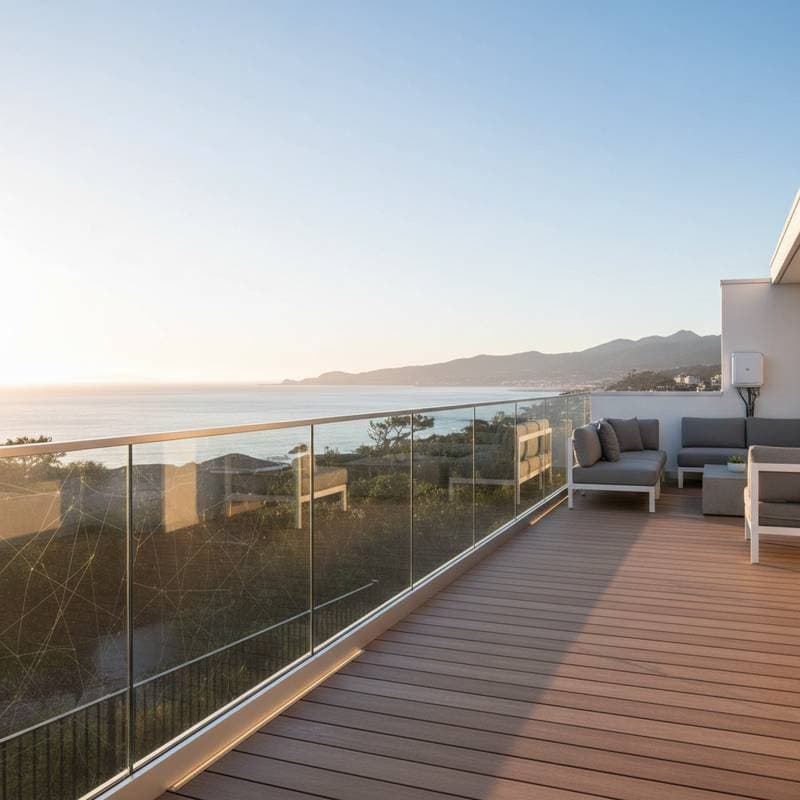
Final Installation Steps: Cleaning and Finishing
After securing the panels and connections, focus on cleaning and finishing to ensure optimal performance and appearance. Use a soft, lint-free cloth along with a mild, non-abrasive glass cleaner to wipe each panel thoroughly. This process removes any residue from installation and preserves the transparency essential for maximum sunlight capture. For the bottom rail, apply a high-quality paint or sealant that matches your deck's existing finish, creating a seamless integration that enhances the overall look.
Proper finishing not only protects the components but also prevents long-term issues like corrosion or discoloration. Allow sufficient drying time before exposing the railing to weather elements. This step completes the physical setup, preparing the system for electrical testing and activation.
Essential Safety Tips
Safety remains paramount when working with solar glass railings, given their electrical and structural elements. Before handling any wiring, always disconnect the power source to eliminate the risk of electrical shock. Refrain from standing on the glass panels or placing heavy objects against them, as this could compromise structural integrity.
Select tempered or laminated solar glass specifically engineered for outdoor applications to meet rigorous safety standards. During installation, ensure children and pets remain at a safe distance to avoid accidents. Verify that all electrical components, including wires and connectors, carry ratings suitable for outdoor exposure, such as IP65 or higher for water resistance.
Adhering to these guidelines safeguards installers, users, and the equipment itself. Regular adherence to safety protocols extends the lifespan of the system and minimizes liability concerns.
Troubleshooting Common Issues
Even with careful installation, solar glass railings may encounter operational challenges. Address them systematically to restore functionality without unnecessary expense.
Low Power Output: Partial shading from trees, buildings, or accumulated dirt often causes reduced energy generation. A single shadow can halve efficiency, so inspect the panels on a clear day. Clean surfaces gently with water and a soft brush, then prune obstructing foliage to allow unobstructed sunlight exposure throughout the day.
Uneven Voltage Readings: Fluctuations typically stem from corroded connectors or loose wiring joints. Examine all connections for signs of wear, such as rust or fraying. Replace any faulty plugs immediately and apply waterproof sealant to reseal joints, ensuring stable electrical flow.
Condensation Within Glass Panels: Visible moisture inside the panels indicates a compromised edge seal, which can lead to internal damage. Avoid attempting external repairs, as they prove ineffective. Reach out to the manufacturer promptly for a warranty-covered replacement to maintain energy efficiency and safety.
Frequent Inverter Shutdowns: Overheating represents a common culprit, often due to poor ventilation or direct water exposure. Position the inverter in a shaded, airy location and confirm it remains protected from rain. For models equipped with fans, perform seasonal cleaning to remove dust buildup, preventing thermal overload.
Document each troubleshooting effort, including dates and observations, to aid future diagnostics or warranty claims. Most issues resolve with basic maintenance, but persistent problems warrant professional evaluation.
Budget Considerations and Timeline
Investing in solar glass railings requires careful financial planning, as costs vary based on deck dimensions, material choices, and installation complexity. Materials and professional labor typically range from 150 to 250 dollars per linear foot. For a standard 20-foot deck, anticipate total expenses between 3,000 and 5,000 dollars, covering panels, frames, wiring, and integration.
Opting for DIY installation can reduce costs by approximately one-third, particularly if your deck already features compatible electrical infrastructure. However, factor in tools and potential errors that might increase long-term expenses. Professional services ensure compliance with local codes and optimal performance.
Installation timelines depend on project scope. A compact system requires about two days with a team of two experienced workers. Retrofitting an existing deck may extend to three or four days if modifications to posts, wiring, or supports prove necessary.
**Budget ** Select aluminum frames over stainless steel for comparable durability at a lower price point. Never omit the charge controller, as it regulates voltage to protect panels and batteries from surges or overloads. Request quotes from multiple suppliers to compare options and identify value-driven packages.
Ongoing Maintenance Routines
Solar glass railings demand minimal intervention compared to traditional wood or cable alternatives, yet consistent care sustains their efficiency and longevity. Establish a routine to address environmental wear proactively.
Monthly Checks: If dust or pollen accumulates, rinse panels with a gentle stream of water to avoid efficiency losses. Follow with a wipe using microfiber cloths and a pH-neutral cleaner for streak-free clarity. Inspect wiring covers and junctions for cracks or wear, sealing any minor gaps immediately.
Seasonal Inspections: Examine all seals around panel edges and reapply silicone caulk where frames meet glass to prevent water ingress. On a sunny afternoon, use a multimeter to test voltage output, comparing readings against manufacturer specifications to detect early declines. Apply rust-inhibiting paint to any exposed metal surfaces, focusing on areas prone to moisture contact.
Annual Professional Review: Engage a certified electrician to evaluate the inverter, batteries, and overall electrical integrity. Clean connectors thoroughly and tighten all mounting bolts to specification. If the system incorporates smart monitoring technology, update the firmware to access enhanced features and performance data.
With diligent maintenance, these railings deliver reliable service for 20 years or longer, experiencing only gradual efficiency reductions of 0.5 to 1 percent annually. This approach maximizes return on investment while supporting sustainable living.
Smart Storage and Wiring Solutions
Integrating solar glass railings into a deck environment necessitates thoughtful management of power storage and wiring to maintain a tidy, functional space. Decks frequently serve multiple purposes, so efficient organization prevents clutter and enhances accessibility.
Secure the inverter and battery within a robust, weatherproof enclosure mounted under the deck stairs or along the substructure. This placement shields components from direct elements while keeping them within reach for monitoring. Use colored adhesive tape to label wires clearly, facilitating quick identification during inspections or repairs.
Route cables through flexible, UV-resistant conduit along the deck's underside, avoiding exposure to foot traffic or weather. Incorporate a discreet access panel or door in the decking to allow easy entry for connection checks without dismantling boards. Consider adding surge protectors at key points to further safeguard the system.
These strategies not only streamline operations but also preserve the deck's aesthetic appeal, ensuring the solar setup integrates seamlessly with daily use.
Scenarios Requiring Professional Assistance
While many aspects of solar glass railings suit capable DIY enthusiasts, certain situations demand expertise from licensed professionals to ensure safety and compliance.
Engage an electrician for integrating the system with your home's primary electrical panel, as this involves complex grid-tie configurations. Similarly, seek help for installing battery storage exceeding 1 kilowatt capacity, given the scale and regulatory requirements. If cleaning and basic checks fail to resolve voltage inconsistencies, professional diagnostics identify underlying issues like faulty cells.
Warranty-covered glass panel replacements also require manufacturer-approved technicians to maintain coverage validity. When selecting a pro, inquire about their specific experience with solar-integrated railings and request client references. Reputable installers demonstrate sample system outputs and provide guidance on monitoring tools, such as apps for real-time energy tracking.
For new deck constructions, collaborate with both the structural builder and solar specialist from the planning phase. This coordination optimizes post placements, pre-installs conduit pathways, and verifies frame load capacities, resulting in a flawless, efficient installation.
Practical Next Steps
Solar glass railings offer a versatile solution, providing both protective boundaries and daily energy production to enhance your outdoor experience. Begin with a modest setup of one or two panels to test feasibility, or commit to a full perimeter installation for greater energy yields.
Take these immediate actions to advance your project:
-
Measure the total length of your deck railing and assess daily sunlight exposure using a simple shading map or app.
-
Reach out to regional solar providers for consultations on transparent photovoltaic panel availability and compatibility with your setup.
-
Draft a preliminary layout diagram, marking positions for posts, wiring routes, and the inverter location to visualize integration.
Each of these steps builds momentum toward a deck that generates clean power effortlessly. Transform your outdoor area into a hub of relaxation and sustainability, where every ray of sunlight contributes to practical benefits.