
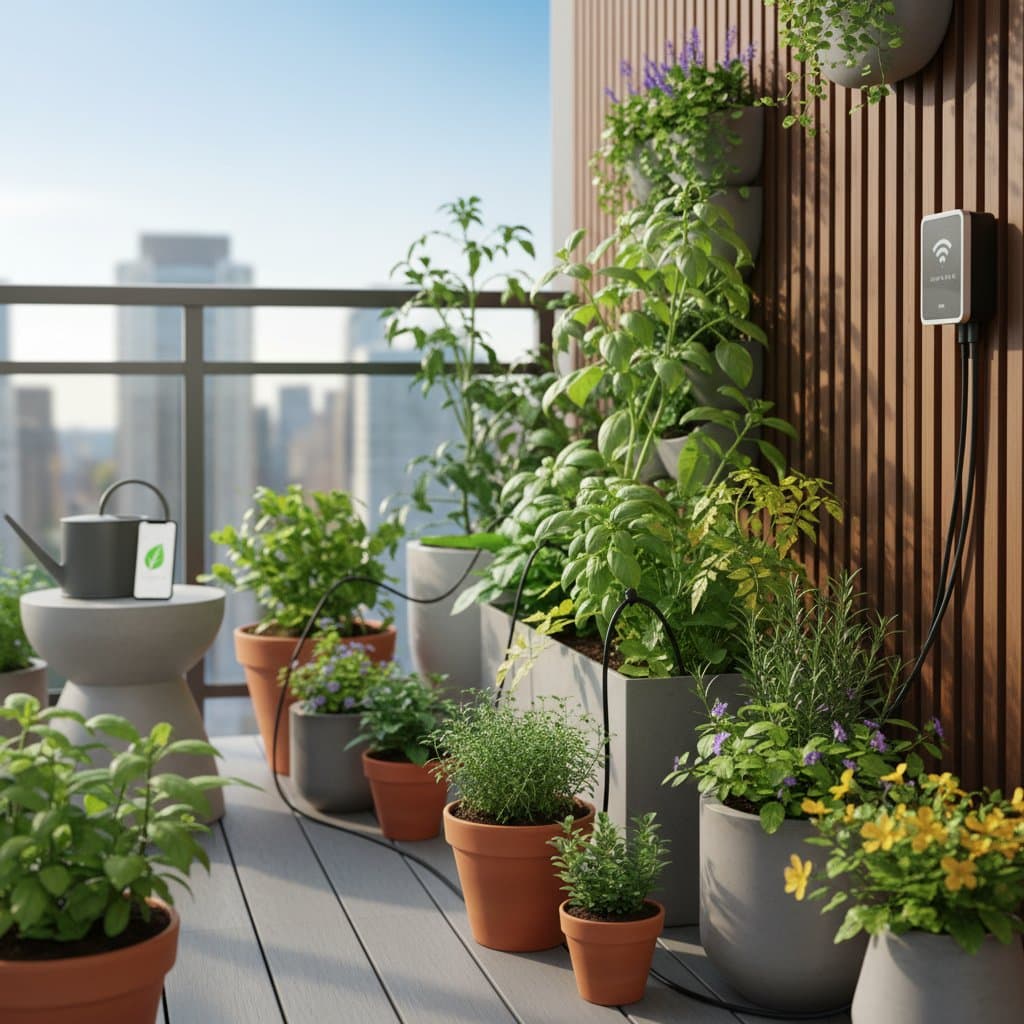
Safety Tips for Micro-Drip Systems
Before activating your micro-drip system, inspect all connections for potential leaks to prevent water damage or waste. Secure all tubing firmly to railings or walls to avoid creating tripping hazards on your balcony. Avoid routing tubing across high-traffic walkways unless you protect it with covers or clips.
Position electrical components, such as timers, under shelter or select models specifically rated for outdoor exposure to withstand rain. Wear protective gloves when cutting tubing or assembling sharp-edged connectors to minimize injury risks. These precautions ensure safe operation and protect your living space.
Common Troubleshooting Issues
Uneven Drips or Dry Pots
If water distribution appears inconsistent, with some pots receiving little to no moisture, examine the tubing for kinks that restrict flow. Clogged emitters often result from mineral deposits or debris buildup. To resolve, straighten any bent sections, then flush the entire line with clean water for at least one minute; replace affected emitters and install an inline filter to catch future particles.
Low Water Pressure
Insufficient pressure typically occurs when too many emitters draw from a single line, overwhelming the supply. For balcony setups, limit the total flow to approximately 30 gallons per hour. Divide the system into multiple zones using a manifold or upgrade to a larger-diameter main tube to distribute water evenly across more pots.
Leaks at Connection Points
Leaks frequently stem from improperly seated fittings or jagged tubing ends that fail to seal. Cut the tubing squarely with sharp scissors for a clean edge, then insert it firmly into the connector with a slight twist. Refrain from excessive force, as it may damage the plastic components and worsen the issue.
Yellowing or Wilting Plants
Discoloration or drooping often signals overwatering, especially in pots with inadequate drainage. Test soil moisture manually before altering the schedule to confirm the problem. Elevate emitters just above the soil surface to prevent water pooling, and drill additional drainage holes in containers if necessary to promote healthy root conditions.
Routine Maintenance Procedures
Conduct a thorough inspection of your micro-drip system each month to identify wear or blockages early. Remove the end caps from the main line and run clean water through it to dislodge sediment or algae. Clean the timer's display and replace batteries promptly to maintain reliable automation.
Emitters that exhibit white mineral scaling require replacement to restore proper flow rates. During extended periods of inactivity, such as vacations, monitor the system remotely if possible or enlist a neighbor to check for issues. Consistent upkeep extends the lifespan of components and ensures consistent plant hydration.
In colder months, fully drain all lines by opening valves and tilting tubing downward. Store disassembled parts in a sealed, dry container to shield them from environmental damage. Before spring reuse, gently warm stiffened tubing in your hands to restore flexibility for easy reinstallation.
Proper Storage Practices
Organize storage by labeling each tubing coil with adhesive tape, noting its designated balcony section for quick identification during setup. Place small fittings, emitters, and connectors in a transparent plastic bin for easy access and inventory checks. Relocate timers indoors to safeguard sensitive electronics from moisture and temperature extremes.
If your system connects to an outdoor faucet, apply a protective cover over the outlet when idle to prevent debris entry. For balcony sinks, ensure valves are closed tightly after each use. These habits preserve equipment integrity and streamline seasonal transitions.
Cost and Time Investment Overview
Basic micro-drip kits suitable for small balconies range from 25 to 60 dollars, varying by brand quality and included components. Automated timers with app integration cost between 30 and 80 dollars, offering programmable schedules for hands-free operation. Scaling up to accommodate 20 pots typically requires only an additional 10 to 15 dollars for extra tubing and emitters.
Initial installation for 10 pots takes roughly one hour, including layout planning and connection testing. Weekly inspections involve just five minutes to verify soil dampness and detect leaks. Annual deep cleaning and part replacements demand about 30 minutes, yielding long-term savings through reduced manual watering and fewer plant losses.
The investment recoups quickly, often within weeks, as automated delivery promotes vigorous growth and frees up personal time for enjoying your outdoor space.
Seasonal Adjustment Guidelines
As spring arrives, activate the system and test every emitter for functionality, replacing any fractured tubing to support emerging plant growth. Monitor for even coverage across all pots to establish a strong foundation for the season.
During summer heat, extend watering duration modestly while keeping sessions brief to minimize evaporation and runoff. Adjust based on daily temperature checks to maintain optimal soil conditions without waste.
In autumn, reduce cycle lengths as daylight shortens and plant metabolism slows. Disconnect timers ahead of the first frost to avoid damage from freezing temperatures.
Winter preparation involves complete drainage and indoor storage of all components. Insulate the water source, such as faucets, against freeze risks to prevent pipe bursts. These targeted changes sustain system efficiency throughout the year.
Professional Assistance Options
For complex integrations, such as linking to an indoor faucet or building water supply, consult a licensed plumber to install necessary backflow preventers and secure fittings. Professionals ensure adherence to local regulations and mitigate risks to your home's plumbing.
When obtaining estimates, inquire about compatibility with low-pressure sources common in upper-floor apartments. Confirm inclusion of maintenance kits and verify timer suitability for outdoor conditions and smart device pairing. While initial costs rise with expert involvement, the setup provides durable, code-compliant performance.
Practical Steps to Get Started
Begin with a modest trial on one or two planters to assess moisture consistency and system reliability. Observe plant responses over a week to refine emitter placement before full expansion.
Outline your balcony's configuration, documenting pot locations, plant varieties, and sun exposure patterns. Select a beginner kit with pressure-rated tubing and emitters designed for compact urban applications.
Schedule weekly reviews for the initial month to build confidence in the automation. A well-implemented micro-drip system transforms balcony gardening into a seamless routine, delivering vibrant foliage with minimal effort and maximum reward.