
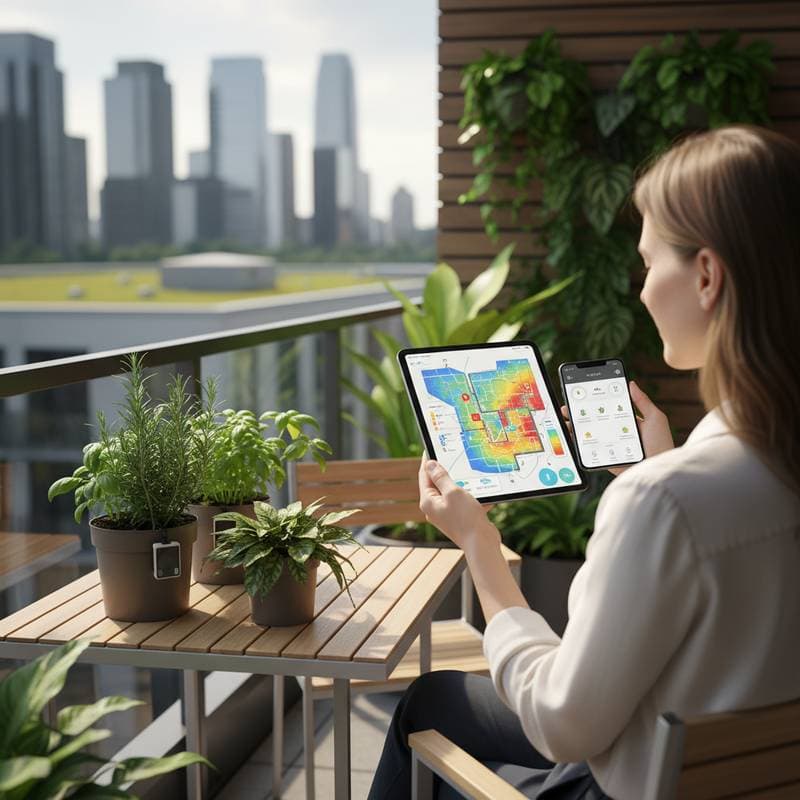
Microclimate Apps Unlock Perfect Balcony Plant Zones
Balconies often feature subtle variations in conditions that influence plant health. One corner might receive direct sunlight for hours, while an adjacent spot remains shaded and cooler. These differences create microclimates, defined as localized areas with distinct temperature, light, wind, and humidity levels compared to the surrounding environment. Understanding these microclimates enables gardeners to select appropriate plants and establish effective care routines.
Microclimate mapping apps simplify this process by providing precise measurements and visualizations. Users can document sunlight patterns, wind exposure, and temperature fluctuations using a smartphone. The result is a customized plan that maximizes balcony productivity with minimal trial and error.
This approach requires only basic equipment and a short time commitment. Gardeners can complete the initial mapping over a weekend, leading to a thriving urban garden tailored to specific conditions.
Essential Tools for Mapping
Start with readily available items to gather accurate data. A smartphone serves as the core device, equipped with built-in features like camera, GPS, and compass applications.
Required tools include:
- A dedicated microclimate or gardening app, such as FloraMap for sunlight tracking or GrowZone Local for zone analysis.
- A notebook or digital notes application to record observations.
- A tape measure or laser distance tool to outline balcony dimensions.
- A compass app to determine cardinal directions and orient measurements.
For enhanced precision, consider optional accessories. A small digital thermometer monitors air temperature variations throughout the day. A soil moisture meter assesses hydration levels in planting areas, while a light meter quantifies sunlight intensity in lux or foot-candles. These items typically range from 10 to 40 dollars each, allowing gradual investment as skills develop.
Select tools based on balcony size and complexity. For small spaces under 50 square feet, basic smartphone features suffice. Larger areas benefit from multiple sensors placed at key points.
Step-by-Step Mapping Process
Begin by sketching a basic layout of the balcony. Measure length, width, and height using the tape measure, noting fixed elements like railings, walls, and nearby structures that affect shade or wind.
Next, orient the space with the compass app. Identify north-facing areas, which tend to stay cooler and receive less direct sun, versus south-facing spots ideal for sun-loving plants.
Use the app to track sunlight over several days. Position the phone camera to time-lapse record shadows from morning to evening, or enable GPS-based sun path predictions. Mark zones on the sketch: full sun (six or more hours of direct light), partial shade (three to five hours), and full shade (less than three hours).
Measure wind and temperature similarly. Place the thermometer in potential planting spots at intervals, such as 8 a.m., noon, and 4 p.m., to capture daily highs and lows. Apps like PlantMind integrate wind speed data from phone sensors or manual inputs, highlighting sheltered versus exposed areas.
Compile findings into the app for a color-coded map. Red zones might indicate hot, windy corners suitable for drought-tolerant succulents, while blue areas represent cool, humid nooks perfect for ferns. This visual guide informs plant placement and irrigation needs.
Selecting Plants for Specific Zones
Match plants to microclimate data for optimal growth. In full-sun zones with high temperatures above 75 degrees Fahrenheit, choose heat-resistant options like tomatoes, peppers, or lavender. These varieties require well-draining soil and infrequent deep watering to prevent root rot.
Partial-shade areas, with moderate light and temperatures between 60 and 75 degrees, support herbs such as basil, mint, or parsley. Ensure consistent moisture without sogginess, using mulch to retain humidity.
Full-shade spots, cooler than 60 degrees with low light, favor shade-tolerant plants like hostas, impatiens, or lettuce. These thrive in richer soil and benefit from misting during dry spells.
Consider wind exposure when selecting. Sheltered zones allow delicate flowers, while gusty areas demand sturdy stems, such as those found in rosemary or ornamental grasses. Apps often include plant databases to filter recommendations by zone conditions.
Safety Considerations
Prioritize precautions to protect equipment and users. Keep electrical cords and sensors away from water sources to avoid short circuits. Position phones and thermometers clear of hot surfaces, like sun-heated railings, which can exceed 120 degrees Fahrenheit.
Secure pots with weights or ties to withstand winds over 15 miles per hour. Wear gloves when handling soil or repositioning heavy containers to prevent strains or cuts.
Inspect balcony surfaces for stability before adding weight. Distribute loads evenly to avoid overloading edges, especially on older structures.
Budget and Time Investment
The mapping process demands about two hours for data collection and one additional hour for analysis and adjustments. Free app versions provide core functions, with premium features costing 3 to 10 dollars monthly for advanced alerts and historical data.
Optional tools total 25 to 40 dollars for essentials like a thermometer and moisture meter. Borrow from local gardening communities to minimize upfront costs, focusing purchases on frequently used items.
Long-term savings arise from reduced plant losses. Accurate zoning cuts replacement expenses by selecting resilient varieties from the start.
Ongoing Maintenance Practices
Refresh the microclimate map seasonally to account for changes. Emerging foliage from nearby trees or rearranged furniture can alter shade patterns. Recheck temperatures and wind twice yearly, in spring and fall, when conditions shift most noticeably.
Clean sensors monthly by wiping with a soft, dry cloth to eliminate dust buildup, which can distort readings by up to 10 percent. Log harvest dates and growth notes within the app to identify successful patterns, such as peak basil yields in partial shade during summer.
Store digital records in cloud-based apps for easy access and year-over-year comparisons. This builds a personalized database that refines future planting decisions.
Optimizing Storage in Compact Spaces
Maximize limited balcony areas with efficient organization. Install a wall-mounted shelf at 18 inches above the floor to store meters, notebooks, and small tools off the ground and protected from moisture.
Opt for stackable planters to group plants with compatible needs, such as herbs requiring similar light. Attach thermometers to railings with clips for quick monitoring without clutter.
Label containers clearly, noting the plant species and assigned zone, for example, 'Thyme - Zone A Full Sun.' This system tracks performance and simplifies rearrangements.
Professional Assistance When Needed
For balconies with existing electrical or plumbing features, engage a licensed electrician or plumber prior to sensor installation. Request verification of waterproofing and grounding to prevent hazards, with consultations typically costing 75 to 150 dollars for an hour.
On shared rooftop spaces, obtain building manager approval before modifications like drilling anchors. Structural assessments ensure safe load distribution, avoiding potential damage to walls or foundations.
Build a Resilient Balcony Garden
Microclimate mapping transforms guesswork into strategy, boosting plant success rates significantly. Detailed records of sunlight, temperature, and wind guide precise selections, from sun-drenched tomatoes to shaded greens.
Regular updates and smart storage maintain efficiency year-round. Gardeners gain confidence against weather extremes, yielding bountiful harvests in urban settings.
Implement these steps to cultivate a balcony that adapts and flourishes. The investment in time and tools yields lasting rewards in fresh produce and aesthetic appeal.