
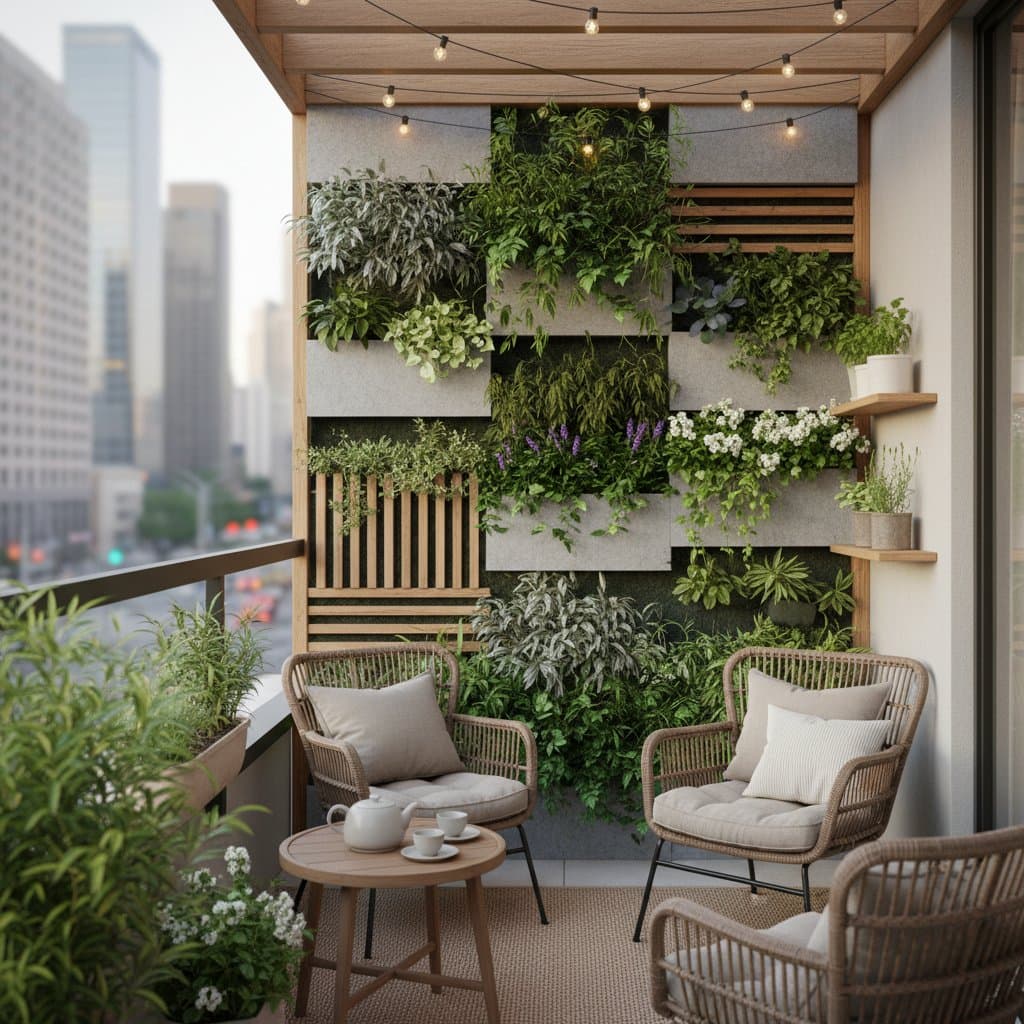
3. Install the Acoustic Insulation Layer
Measure and cut acoustic matting or mineral wool insulation to fit precisely between the frame's vertical and horizontal members. Position each piece firmly against the surrounding wood to eliminate voids. Apply a moisture-resistant barrier film over the entire surface and secure it with staples spaced no more than two inches apart. This setup effectively captures sound waves while preventing moisture from damaging the insulating material.
Inspect all edges to ensure no gaps exceed half an inch, or 1.3 centimeters, as even minor openings allow noise to penetrate.
4. Seal and Enclose the Structure
Fasten plywood sheets or composite panels over the insulated layer using corrosion-resistant, weatherproof screws inserted every six inches along the perimeter and seams. Apply a high-quality exterior sealant to all joints and edges for a watertight finish. Finish the exterior with paint or stain selected to complement the balcony's overall aesthetic.
Opt for perforated panels on the outward-facing side if weight reduction is a priority. These openings permit sound to reach the insulation without compromising the wall's integrity.
5. Integrate Planters and Trellis Elements
Secure planter boxes or fabric pockets evenly across the panel's surface, ensuring each holds at least two inches of soil depth for root development. For vining plants, install horizontal support wires spaced eight inches, or 20 centimeters, apart, tensioned tightly between frame uprights. Verify that every planter features drainage holes covered with mesh to prevent soil loss while allowing excess water to escape.
Vegetation serves a dual purpose by absorbing higher-frequency sounds and diffusing lower tones through irregular leaf surfaces. A textured plant arrangement enhances the overall acoustic performance and visual appeal.
6. Finalize Installation and Conduct Tests
Apply firm pressure to each panel section to confirm structural stability under load. Water the newly planted greenery sparingly and monitor for any unusual vibrations or loose components. Adjust and tighten all screws or fasteners as necessary to resolve minor issues.
Spend several minutes seated nearby to identify persistent noise sources. Often, adding a supplementary panel along an adjacent railing addresses remaining auditory intrusions effectively.
Efficient Storage Solutions
Maximize limited balcony space by integrating multifunctional storage into the acoustic wall design. These elements can support seating, planters, or tools without obstructing movement or airflow.
Consider the following options:
- Integrated Bench Planters: Construct a slim bench with an enclosed base compartment ideal for storing gardening supplies or bulk soil.
- Retractable Shelves: Install narrow shelves that extend to accommodate potted herbs or compact containers, then fold against the wall for unobtrusive storage.
- Side-Mounted Hooks: Attach sturdy hooks vertically along the frame's edges to suspend lightweight items such as trowels or watering cans.
Elevating items off the floor promotes better circulation and reduces tripping hazards in confined areas.
Cost and Timeline Estimates
A basic single-panel acoustic garden wall typically requires an investment of $180 to $280, varying with material quality and plant varieties selected.
Implement these economical alternatives:
- Source reclaimed lumber for the structural frame to lower expenses significantly.
- Substitute commercial acoustic matting with natural fiber alternatives like wool felt for comparable sound absorption at reduced cost.
- Begin with young starter plants instead of established specimens to distribute expenses over time.
Allocate 6 to 8 hours for assembling the core structure. Planting and site cleanup add approximately 2 hours. Incorporating automated irrigation or ambient lighting extends the project by about 3 hours.
Seasonal Maintenance Guidelines
Urban noise patterns shift with weather changes, so adapt care routines to sustain the wall's effectiveness throughout the year.
Spring Preparation:
- Examine all metal fasteners for signs of rust or weakening.
- Replenish potting soil and prune away winter-damaged foliage.
- Flush out drainage systems to remove accumulated debris.
Summer Upkeep:
- Irrigate plants during early morning hours to minimize water loss.
- Perform weekly inspections for insect activity or disease.
- Install a lightweight shade fabric if glare from adjacent buildings intensifies heat.
Fall Maintenance:
- Clear fallen foliage promptly to avoid clogging outlets.
- Apply fresh sealant to wooden components.
- Trim back overgrown vines to withstand impending winds.
Winter Protection:
- Relocate removable planters indoors to shield roots from frost.
- Drape panels with permeable tarps during anticipated heavy snowfall.
- Reinforce ground anchors following significant storms.
Regular annual inspections preserve both durability and noise-reduction capabilities.
Steps to Build Your Wall
Commence with a modest panel to experience immediate improvements in balcony ambiance. Even partial coverage reduces echo and tempers ambient urban sounds noticeably.
Follow these initial actions:
- Draft a Detailed Plan: Measure the balcony precisely and map areas of greatest noise intrusion.
- Select Suitable Materials: Prioritize budget-friendly choices like recycled wood or durable composites.
- Choose Resilient Plants: Focus on species with dense foliage and year-round vitality for consistent performance.
Beyond noise control, this acoustic garden wall defines space, fosters seclusion, and introduces a soothing natural element to urban living. Maintain the greenery diligently, inspect seasonally, and appreciate the serenity achieved through hands-on creation.